
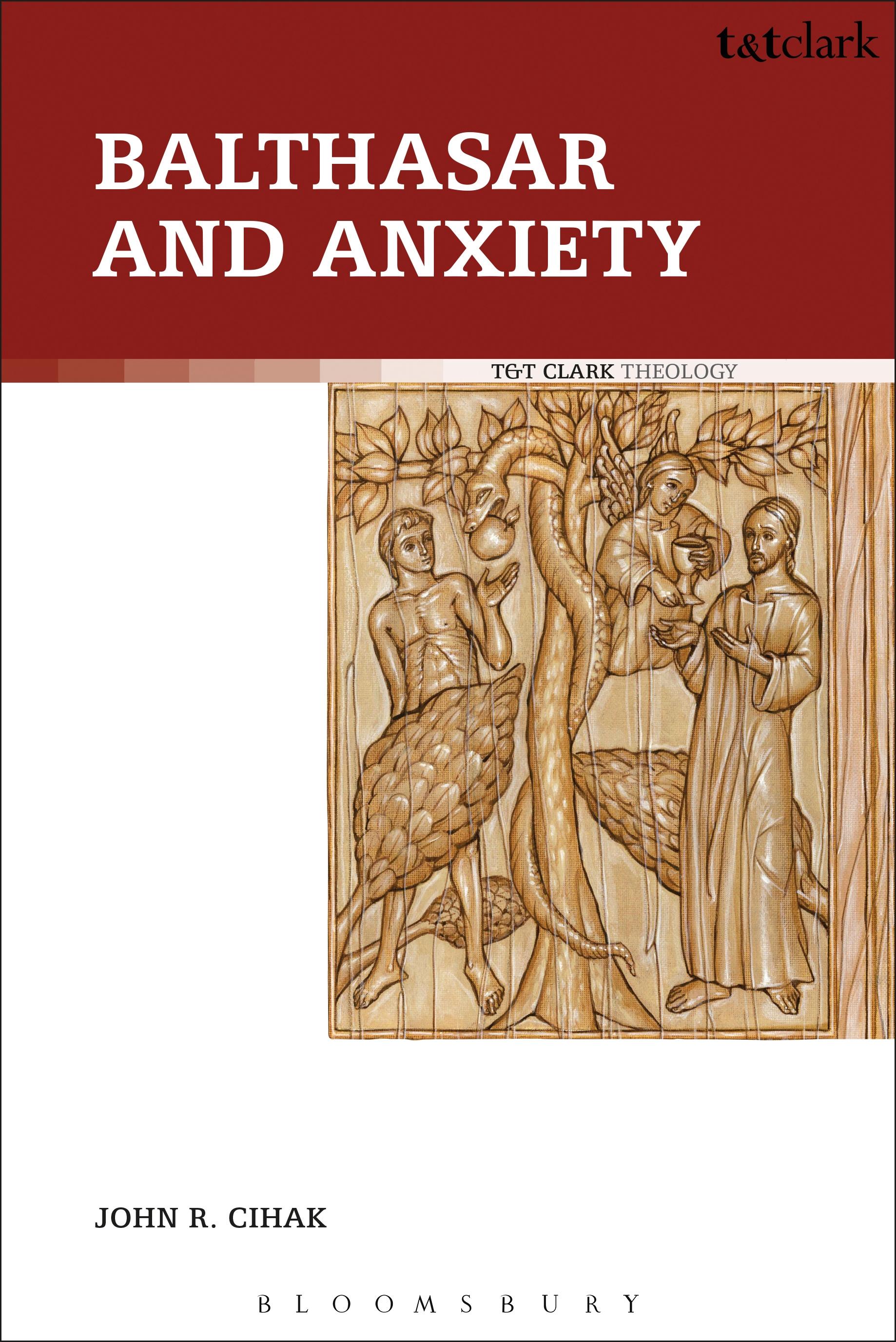
This study offers a theological response to the problem of anxiety from the point of view of Hans Urs von Balthasar. It is a systematic presentation, analysis and development of Balthasar's original theology of anxiety found in his only work on the subject, Der Christ und die Angst. The study takes a thematic approach based upon the four types of analysis found in Der Christ und die Angst: phenomenological, anthropological, theological and ecclesial. These four approaches to the topic correspond to the phenomenon, origins, redemption and transformation of anxiety.
Through this thematic approach, Balthasar's thought is examined in relation to some of the important figures on anxiety. The phenomenon of anxiety is presented in relation to modern psychiatry. The examination of anxiety's origins places him in dialogue with Kierkegaard on anxiety from discursive reasoning and Freud on anxiety from ego-consciousness. The redemption of anxiety places Balthasar in relation to Aquinas in order to clarify Balthasar's interpretation and to show its significance in the theological tradition. The transformation of anxiety places our author in dialogue with Luther on the shape of anxiety in the Christian life. The final chapter begins to unravel the construct of anxiety, with a brief exploration of how it is transformed in the Church according to Balthasar, something he had never explicitly developed. The influence of Bernanos on Balthasar's thought is felt throughout the study. The entire study is framed by the two Gardens wherein transpire the most significant events concerning anxiety for Balthasar: the Garden of Eden and the Garden of Gethsemane.
Through this thematic approach, Balthasar's thought is examined in relation to some of the important figures on anxiety. The phenomenon of anxiety is presented in relation to modern psychiatry. The examination of anxiety's origins places him in dialogue with Kierkegaard on anxiety from discursive reasoning and Freud on anxiety from ego-consciousness. The redemption of anxiety places Balthasar in relation to Aquinas in order to clarify Balthasar's interpretation and to show its significance in the theological tradition. The transformation of anxiety places our author in dialogue with Luther on the shape of anxiety in the Christian life. The final chapter begins to unravel the construct of anxiety, with a brief exploration of how it is transformed in the Church according to Balthasar, something he had never explicitly developed. The influence of Bernanos on Balthasar's thought is felt throughout the study. The entire study is framed by the two Gardens wherein transpire the most significant events concerning anxiety for Balthasar: the Garden of Eden and the Garden of Gethsemane.
Paga facilmente con carta, Klarna, Apple Pay o Google Pay. Non sei soddisfatto? Hai sempre 14 giorni per il rimborso. Leggi di più nei nostri termini. Per qualsiasi domanda, scrivici a hello@memmo.org.
Memmo rende lo studio più facile, ovunque tu sia nel mondo. Qui trovi i tuoi libri di testo e strumenti di studio intelligenti, tutto in un unico posto: riassunti, quiz, podcast e flashcard. E poi c'è Ted, il tuo compagno di studio che risponde a ogni tua domanda. Oltre 50.000 studenti studiano già qui: è stato creato per aiutarti a imparare più velocemente e a stressarti meno.