
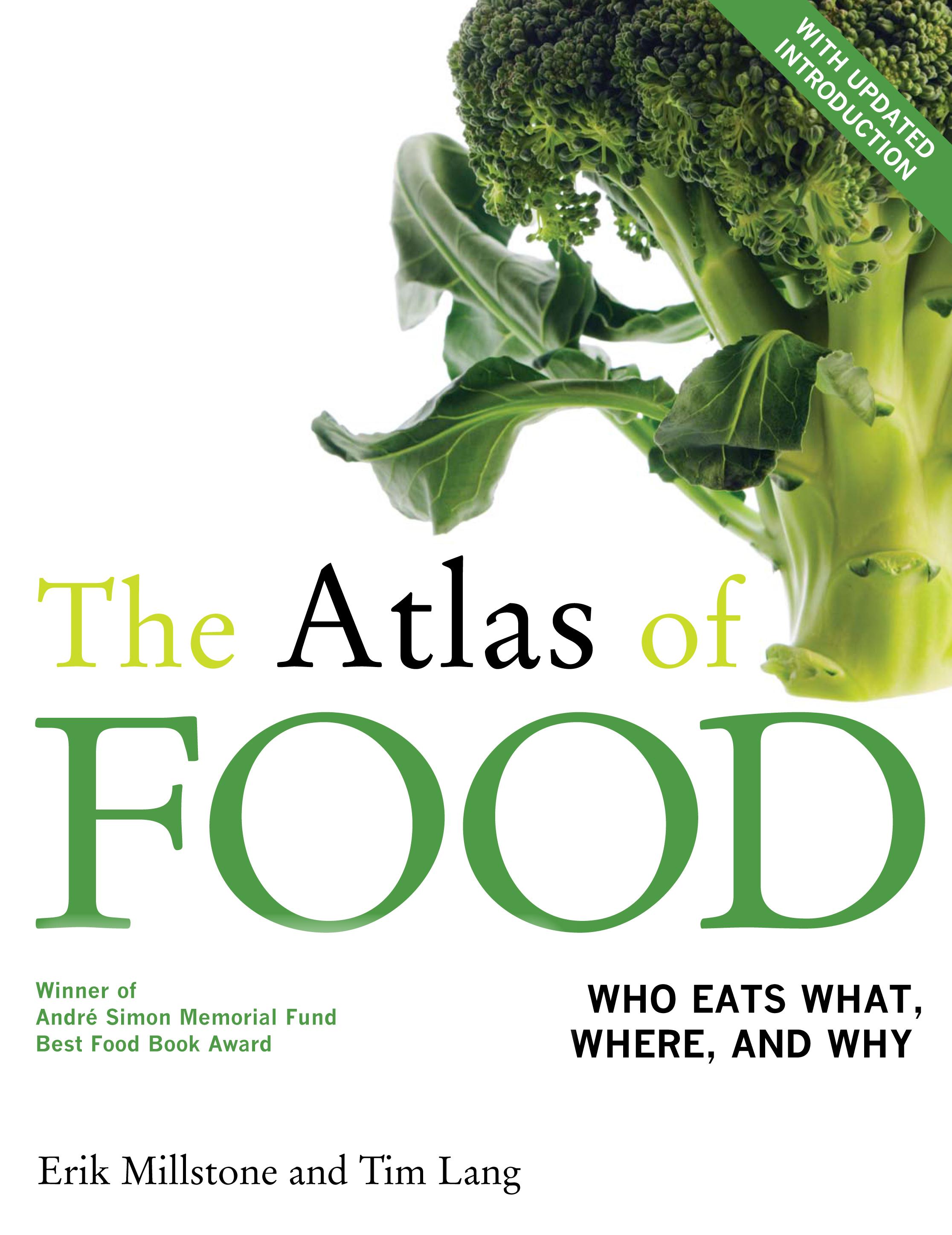
What we eat, where we eat, and how we eat: these questions are explored in this remarkable book, now with a new introduction contextualizing the atlas for 2013 and beyond.
By providing an up-to-date and visually appealing understanding of important issues around global food and agriculture, The Atlas of Food maps out broad areas of investigation—contamination of food and water, overnutrition, micronutrient deficiency, processing, farming, and trade—to offer a concise overview of today's food and farming concerns. Buttressed by engaging prose and vivid graphics, Erik Millstone and Tim Lang convincingly argue that human progress depends on resolving global inequality and creating a more sustainable food production system.
By providing an up-to-date and visually appealing understanding of important issues around global food and agriculture, The Atlas of Food maps out broad areas of investigation—contamination of food and water, overnutrition, micronutrient deficiency, processing, farming, and trade—to offer a concise overview of today's food and farming concerns. Buttressed by engaging prose and vivid graphics, Erik Millstone and Tim Lang convincingly argue that human progress depends on resolving global inequality and creating a more sustainable food production system.
Paga facilmente con carta, Klarna, Apple Pay o Google Pay. Non sei soddisfatto? Hai sempre 14 giorni per il rimborso. Leggi di più nei nostri termini. Per qualsiasi domanda, scrivici a hello@memmo.org.
Memmo rende lo studio più facile, ovunque tu sia nel mondo. Qui trovi i tuoi libri di testo e strumenti di studio intelligenti, tutto in un unico posto: riassunti, quiz, podcast e flashcard. E poi c'è Ted, il tuo compagno di studio che risponde a ogni tua domanda. Oltre 50.000 studenti studiano già qui: è stato creato per aiutarti a imparare più velocemente e a stressarti meno.
Potrebbe interessarti anche
Acquista il libro0