
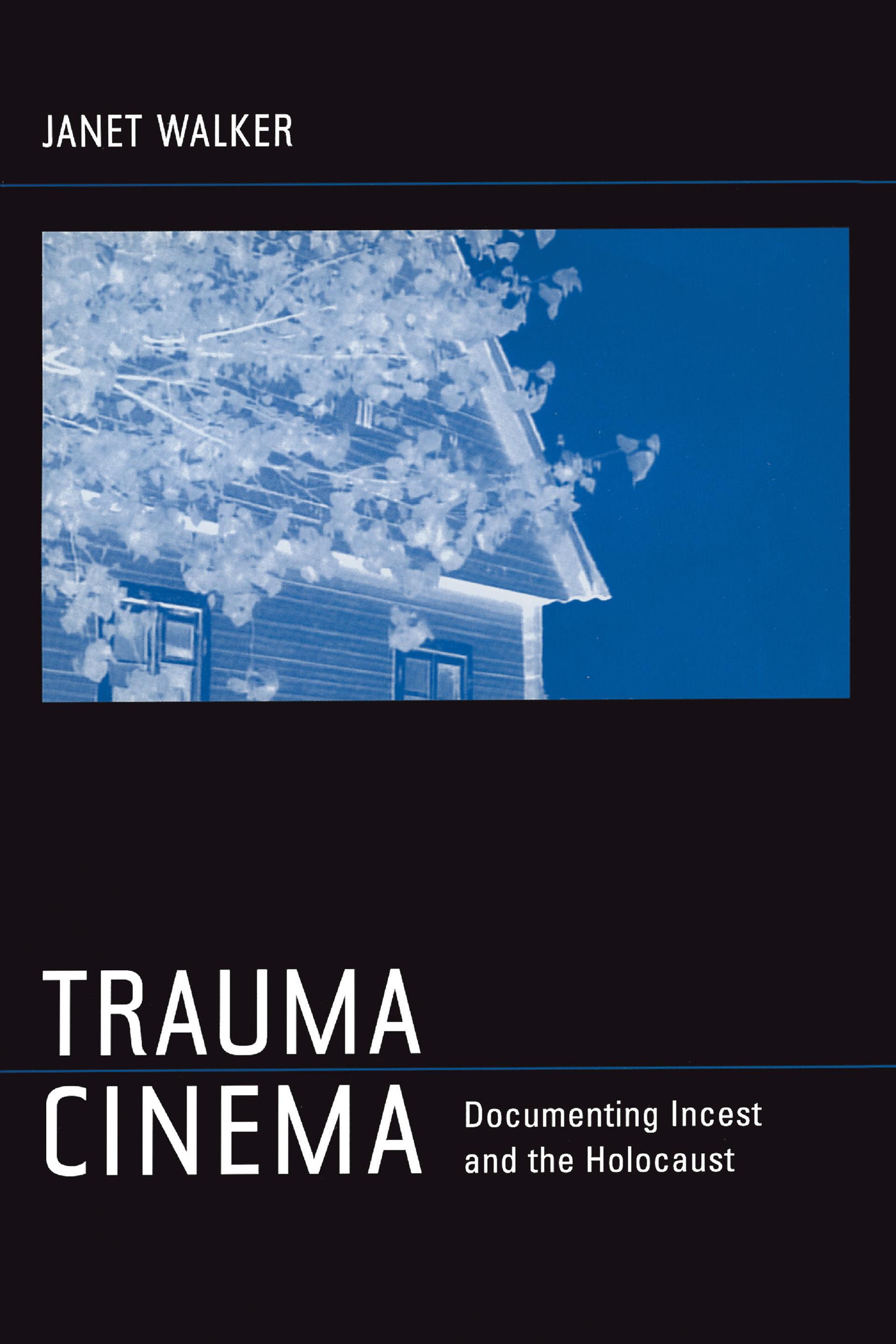
Trauma Cinema focuses on a new breed of documentary films and videos that adopt catastrophe as their subject matter and trauma as their aesthetic. Incorporating oral testimony, home-movie footage, and documentary reenactment, these documentaries express the havoc trauma wreaks on history and memory. Janet Walker uses incest and the Holocaust as a double thematic focus and fiction films as a point of comparison. Her astute and original examination considers the Hollywood classic Kings Row and the television movie Sybil in relation to vanguard nonfiction works, including Errol Morris's Mr. Death, Lynn Hershman's video diaries, and the chilling genealogy of incest, Just, Melvin.
Both incest and the Holocaust have also been featured in contemporary psychological literature on trauma and memory. The author employs theories of post traumatic stress disorder and histories of the so-called memory wars to illuminate the amnesias, fantasies, and mistakes in memory that must be taken into account, along with corroborated evidence, if we are to understand how personal and public historical meaning is made.
Janet Walker’s engrossing narrative demonstrates that the past does not come down to us purely and simply through eyewitness accounts and tangible artifacts. Her incisive analysis exposes the frailty of memory in the face of disquieting events while her joint consideration of trauma cinema and psychological theorizing radically reconstructs the roadblocks at the intersection of catastrophe, memory, and historical representation.
Trauma Cinema focuses on a new breed of documentary films and videos that adopt catastrophe as their subject matter and trauma as their aesthetic. Incorporating oral testimony, home-movie footage, and documentary reenactment, these documentaries ex
Both incest and the Holocaust have also been featured in contemporary psychological literature on trauma and memory. The author employs theories of post traumatic stress disorder and histories of the so-called memory wars to illuminate the amnesias, fantasies, and mistakes in memory that must be taken into account, along with corroborated evidence, if we are to understand how personal and public historical meaning is made.
Janet Walker’s engrossing narrative demonstrates that the past does not come down to us purely and simply through eyewitness accounts and tangible artifacts. Her incisive analysis exposes the frailty of memory in the face of disquieting events while her joint consideration of trauma cinema and psychological theorizing radically reconstructs the roadblocks at the intersection of catastrophe, memory, and historical representation.
Trauma Cinema focuses on a new breed of documentary films and videos that adopt catastrophe as their subject matter and trauma as their aesthetic. Incorporating oral testimony, home-movie footage, and documentary reenactment, these documentaries ex
Paga facilmente con carta, Klarna, Apple Pay o Google Pay. Non sei soddisfatto? Hai sempre 14 giorni per il rimborso. Leggi di più nei nostri termini. Per qualsiasi domanda, scrivici a hello@memmo.org.
Memmo rende lo studio più facile, ovunque tu sia nel mondo. Qui trovi i tuoi libri di testo e strumenti di studio intelligenti, tutto in un unico posto: riassunti, quiz, podcast e flashcard. E poi c'è Ted, il tuo compagno di studio che risponde a ogni tua domanda. Oltre 50.000 studenti studiano già qui: è stato creato per aiutarti a imparare più velocemente e a stressarti meno.
Potrebbe interessarti anche
Acquista il libro0