
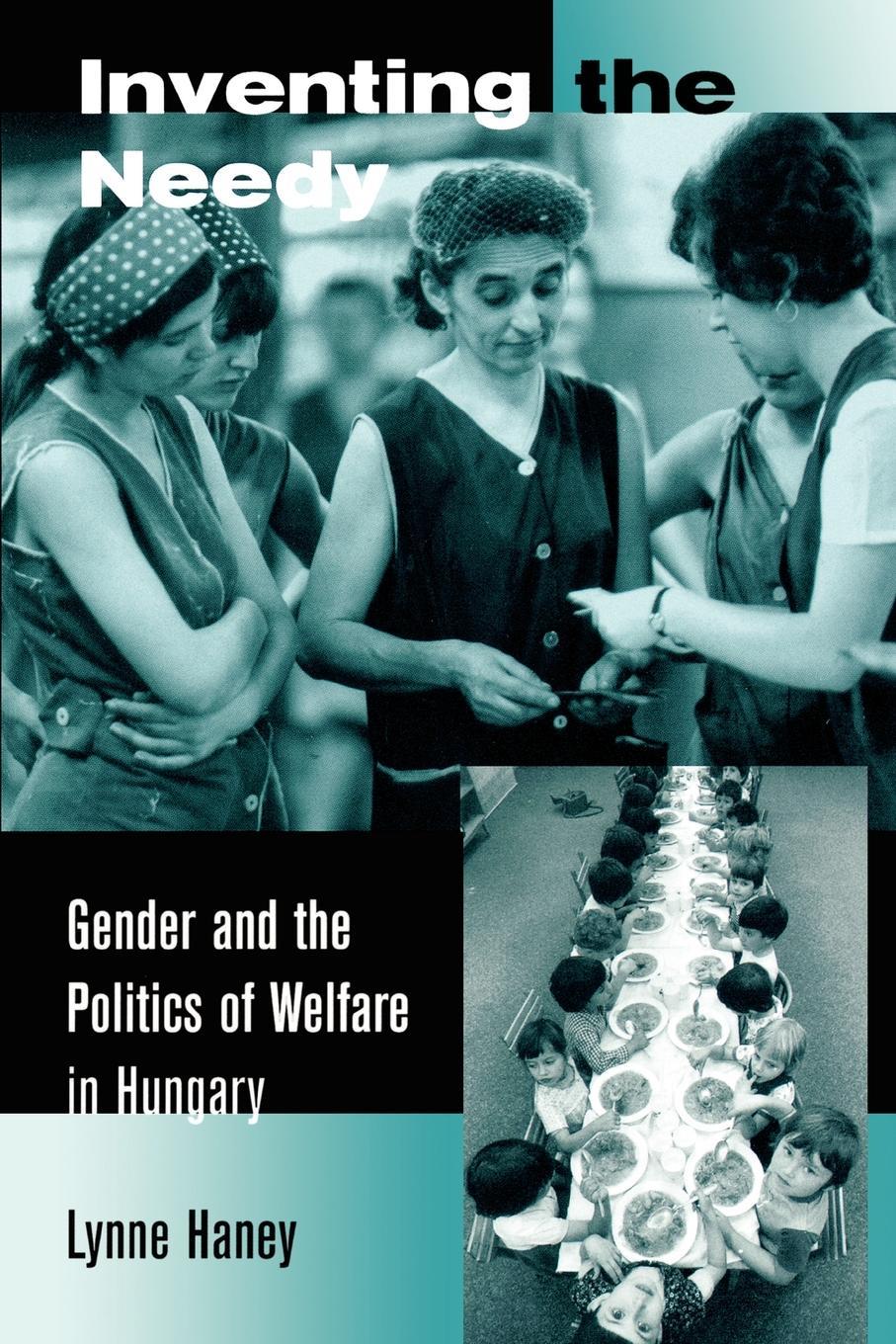
Inventing the Needy offers a powerful, innovative analysis of welfare policies and practices in Hungary from 1948 to the last decade of the twentieth century. Using a compelling mix of archival, interview, and ethnographic data, Lynne Haney shows that three distinct welfare regimes succeeded one another during that period and that they were based on divergent conceptions of need. The welfare society of 1948-1968 targeted social institutions, the maternalist welfare state of 1968-1985 targeted social groups, and the liberal welfare state of 1985-1996 targeted impoverished individuals. Because they reflected contrasting conceptions of gender and of state-recognized identities, these three regimes resulted in dramatically different lived experiences of welfare.
Haney's approach bridges the gaps in scholarship that frequently separate past and present, ideology and reality, and state policies and local practices. A wealth of case histories gleaned from the archives of welfare institutions brings to life the interactions between caseworkers and clients and the ways they changed over time. In one of her most provocative findings, Haney argues that female clients' ability to use the state to protect themselves in everyday life diminished over the fifty-year period. As the welfare system moved away from linking entitlement to clients' social contributions and toward their material deprivation, the welfare system, and those associated with it, became increasingly stigmatized and pathologized. With its focus on shifting inventions of the needy, this broad historical ethnography brings new insights to the study of welfare state theory and politics.
Haney's approach bridges the gaps in scholarship that frequently separate past and present, ideology and reality, and state policies and local practices. A wealth of case histories gleaned from the archives of welfare institutions brings to life the interactions between caseworkers and clients and the ways they changed over time. In one of her most provocative findings, Haney argues that female clients' ability to use the state to protect themselves in everyday life diminished over the fifty-year period. As the welfare system moved away from linking entitlement to clients' social contributions and toward their material deprivation, the welfare system, and those associated with it, became increasingly stigmatized and pathologized. With its focus on shifting inventions of the needy, this broad historical ethnography brings new insights to the study of welfare state theory and politics.
Paga facilmente con carta, Klarna, Apple Pay o Google Pay. Non sei soddisfatto? Hai sempre 14 giorni per il rimborso. Leggi di più nei nostri termini. Per qualsiasi domanda, scrivici a hello@memmo.org.
Memmo rende lo studio più facile, ovunque tu sia nel mondo. Qui trovi i tuoi libri di testo e strumenti di studio intelligenti, tutto in un unico posto: riassunti, quiz, podcast e flashcard. E poi c'è Ted, il tuo compagno di studio che risponde a ogni tua domanda. Oltre 50.000 studenti studiano già qui: è stato creato per aiutarti a imparare più velocemente e a stressarti meno.
Potrebbe interessarti anche
Acquista il libro0