
Under Ptolemy II Philadelphus, who ruled Egypt in the middle of the third century B.C.E., Alexandria became the brilliant multicultural capital of the Greek world. Theocritus's poem in praise of Philadelphus—at once a Greek king and an Egyptian pharaoh—is the only extended poetic tribute to this extraordinary ruler that survives. Combining the Greek text, an English translation, a full line-by-line commentary, and extensive introductory studies of the poem's historical and literary context, this volume also offers a wide-ranging and far-reaching consideration of the workings and representation of poetic patronage in the Ptolemaic age. In particular, the book explores the subtle and complex links among Theocritus's poem, modes of praise drawn from both Greek and Egyptian traditions, and the subsequent flowering of Latin poetry in the Augustan age.
As the first detailed account of this important poem to show how Theocritus might have drawn on the pharaonic traditions of Egypt as well as earlier Greek poetry, this book affords unique insight into how praise poetry for Ptolemy and his wife may have helped to negotiate the adaptation of Greek culture that changed conditions of the new Hellenistic world. Invaluable for its clear translation and its commentary on genre, dialect, diction, and historical reference in relation to Theocritus's Encomium, the book is also significant for what it reveals about the poem's cultural and social contexts and about Theocritus' devices for addressing his several readerships.
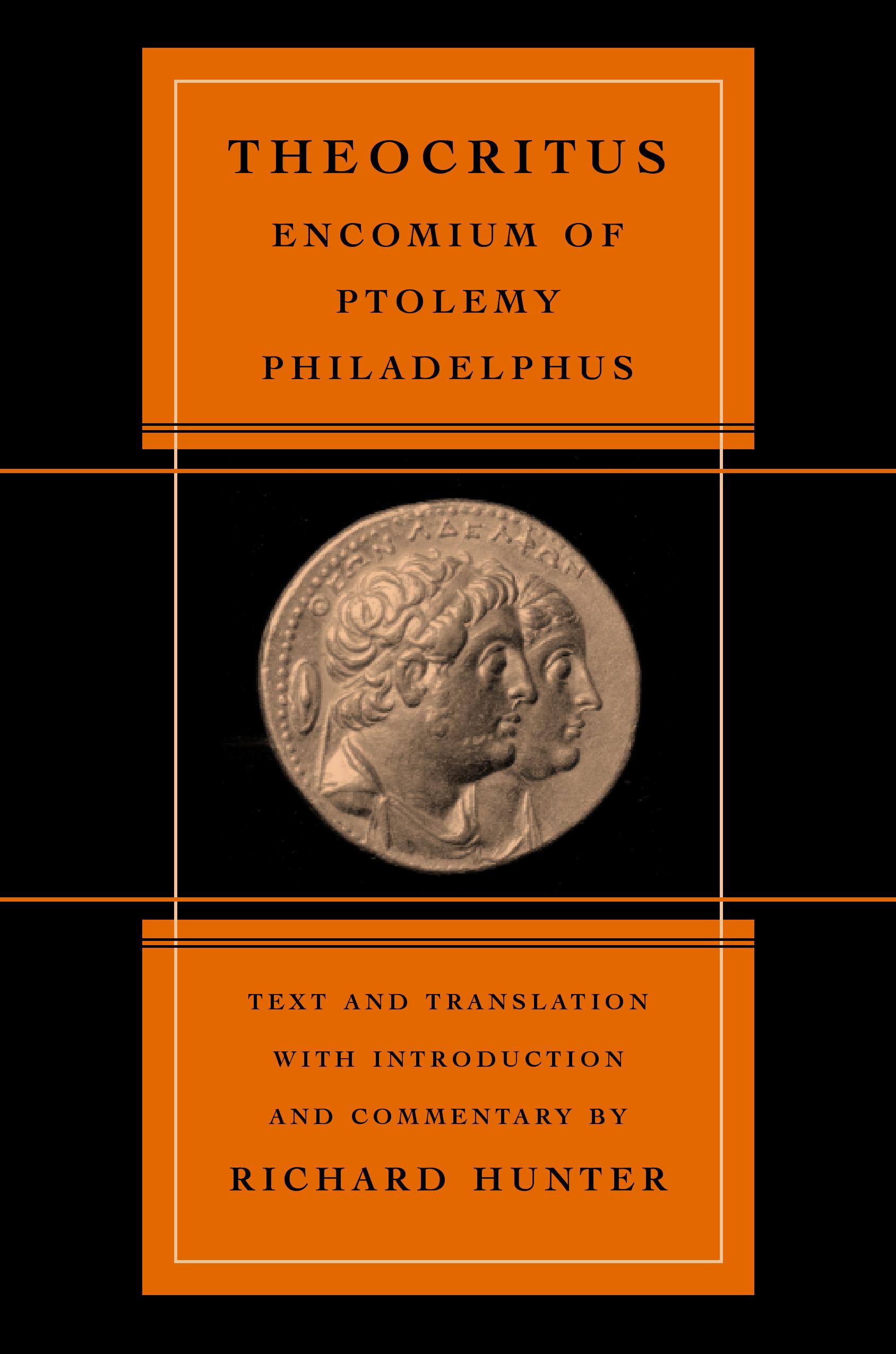
COVER IMAGE: The image on the front cover of this book is incorrectly identified on the jacket flap. The correct caption is: Gold Oktadrachm depicting Ptolemy II and Arsinoe (mid-third century BCE; by permission of the Museum of Fine Arts, Boston).
As the first detailed account of this important poem to show how Theocritus might have drawn on the pharaonic traditions of Egypt as well as earlier Greek poetry, this book affords unique insight into how praise poetry for Ptolemy and his wife may have helped to negotiate the adaptation of Greek culture that changed conditions of the new Hellenistic world. Invaluable for its clear translation and its commentary on genre, dialect, diction, and historical reference in relation to Theocritus's Encomium, the book is also significant for what it reveals about the poem's cultural and social contexts and about Theocritus' devices for addressing his several readerships.
COVER IMAGE: The image on the front cover of this book is incorrectly identified on the jacket flap. The correct caption is: Gold Oktadrachm depicting Ptolemy II and Arsinoe (mid-third century BCE; by permission of the Museum of Fine Arts, Boston).
Paga facilmente con carta, Klarna, Apple Pay o Google Pay. Non sei soddisfatto? Hai sempre 14 giorni per il rimborso. Leggi di più nei nostri termini. Per qualsiasi domanda, scrivici a hello@memmo.org.
Memmo rende lo studio più facile, ovunque tu sia nel mondo. Qui trovi i tuoi libri di testo e strumenti di studio intelligenti, tutto in un unico posto: riassunti, quiz, podcast e flashcard. E poi c'è Ted, il tuo compagno di studio che risponde a ogni tua domanda. Oltre 50.000 studenti studiano già qui: è stato creato per aiutarti a imparare più velocemente e a stressarti meno.
Potrebbe interessarti anche
Acquista il libro0