
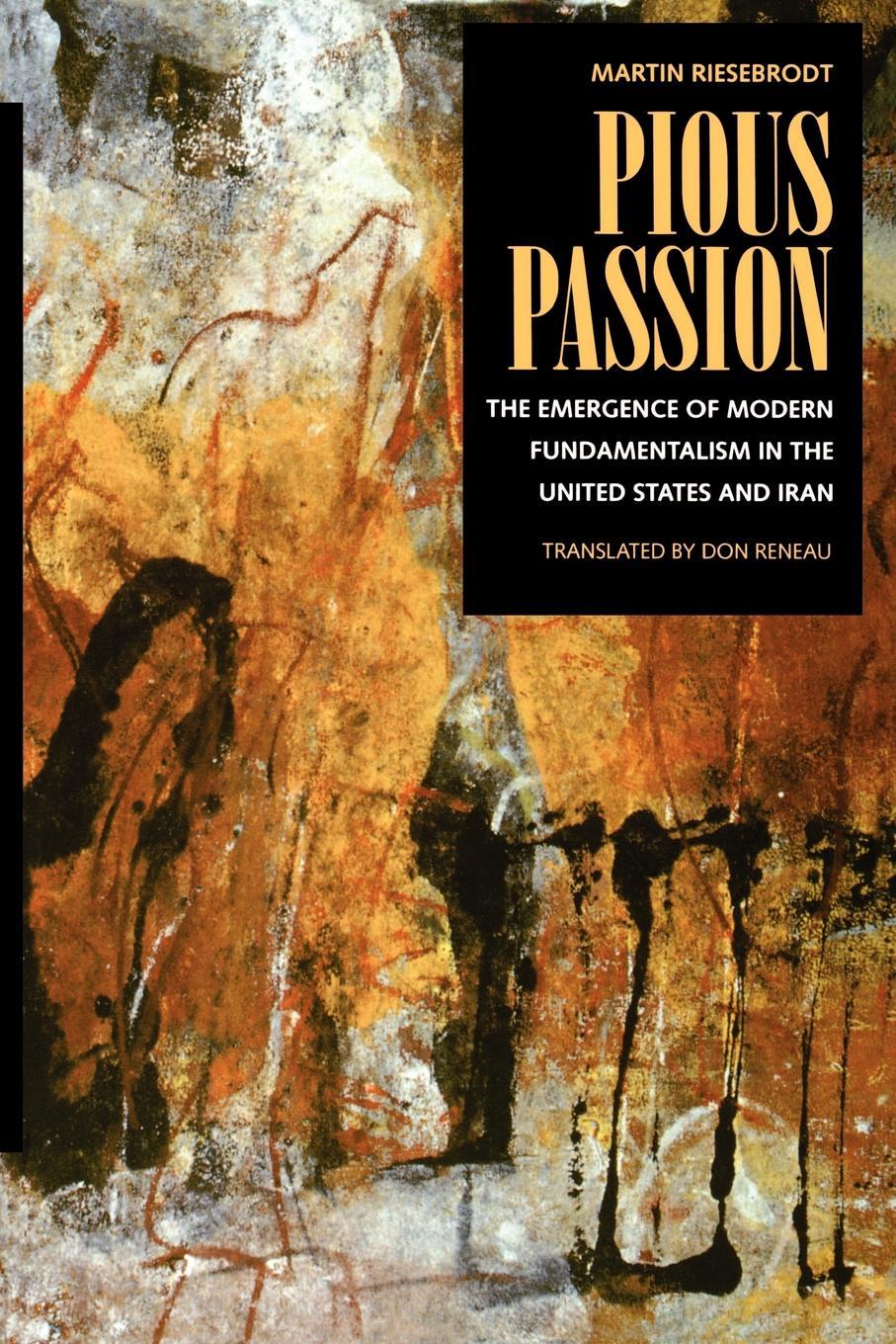
Martin Riesebrodt's unconventional study provides an extraordinary look at religious fundamentalism. Comparing two seemingly disparate movements—in early twentieth-century United States and 1960s and 1970s Iran—he examines why these movements arose and developed. He sees them not simply as protests against "modernity" per se, but as a social and moral community's mobilization against its own marginalization and threats to its way of life. These movements protested against the hallmarks of industrialization and sought to transmit conservative cultural models to the next generation.
Fundamentalists desired a return to an "authentic" social order governed by God's law, one bound by patriarchal structures of authority and morality. Both movements advocated a strict gender dualism and were preoccupied with controlling the female body, which was viewed as the major threat to public morality.
Fundamentalists desired a return to an "authentic" social order governed by God's law, one bound by patriarchal structures of authority and morality. Both movements advocated a strict gender dualism and were preoccupied with controlling the female body, which was viewed as the major threat to public morality.
Paga facilmente con carta, Klarna, Apple Pay o Google Pay. Non sei soddisfatto? Hai sempre 14 giorni per il rimborso. Leggi di più nei nostri termini. Per qualsiasi domanda, scrivici a hello@memmo.org.
Memmo rende lo studio più facile, ovunque tu sia nel mondo. Qui trovi i tuoi libri di testo e strumenti di studio intelligenti, tutto in un unico posto: riassunti, quiz, podcast e flashcard. E poi c'è Ted, il tuo compagno di studio che risponde a ogni tua domanda. Oltre 50.000 studenti studiano già qui: è stato creato per aiutarti a imparare più velocemente e a stressarti meno.
Potrebbe interessarti anche
Acquista il libro0