
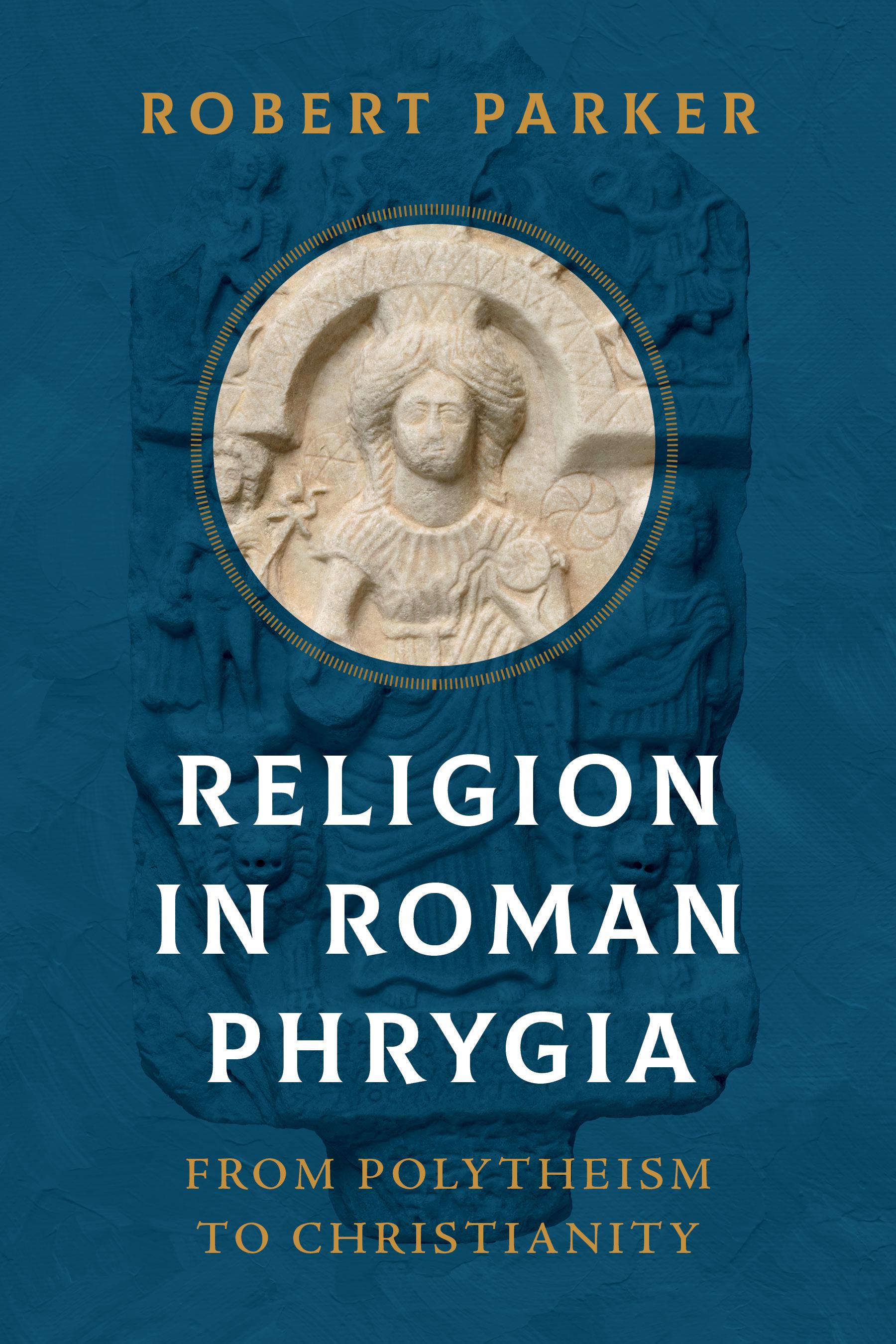
Phrygia in the second and third centuries CE offers more vivid evidence for what has been termed “lived ancient religion” than any other region in the ancient world. The evidence from Phrygia is neither literary nor issued by cities or their powerful inhabitants but rather comes from farmers and herders who left behind numerous stone memorials of themselves and dedications to their gods, praying for the welfare of their families, crops, and cattle. In Religion in Roman Phrygia: From Polytheism to Christianity, Robert Parker opens a rare window into the world of those Sir Ronald Syme called “the voiceless earth-coloured rustics” who have been “conveniently forgotten.” The period in which Phrygian paganism flourished so visibly was also the period in which Christianity was introduced by the apostle Paul and took root. Parker presents a rich body of evidence and uses it to explore one of history’s great stories and enigmas: how and why the new religion overtook its predecessor, with the Christian God meeting needs previously satisfied by Zeus and the other gods.
Paga facilmente con carta, Klarna, Apple Pay o Google Pay. Non sei soddisfatto? Hai sempre 14 giorni per il rimborso. Leggi di più nei nostri termini. Per qualsiasi domanda, scrivici a hello@memmo.org.
Memmo rende lo studio più facile, ovunque tu sia nel mondo. Qui trovi i tuoi libri di testo e strumenti di studio intelligenti, tutto in un unico posto: riassunti, quiz, podcast e flashcard. E poi c'è Ted, il tuo compagno di studio che risponde a ogni tua domanda. Oltre 50.000 studenti studiano già qui: è stato creato per aiutarti a imparare più velocemente e a stressarti meno.