
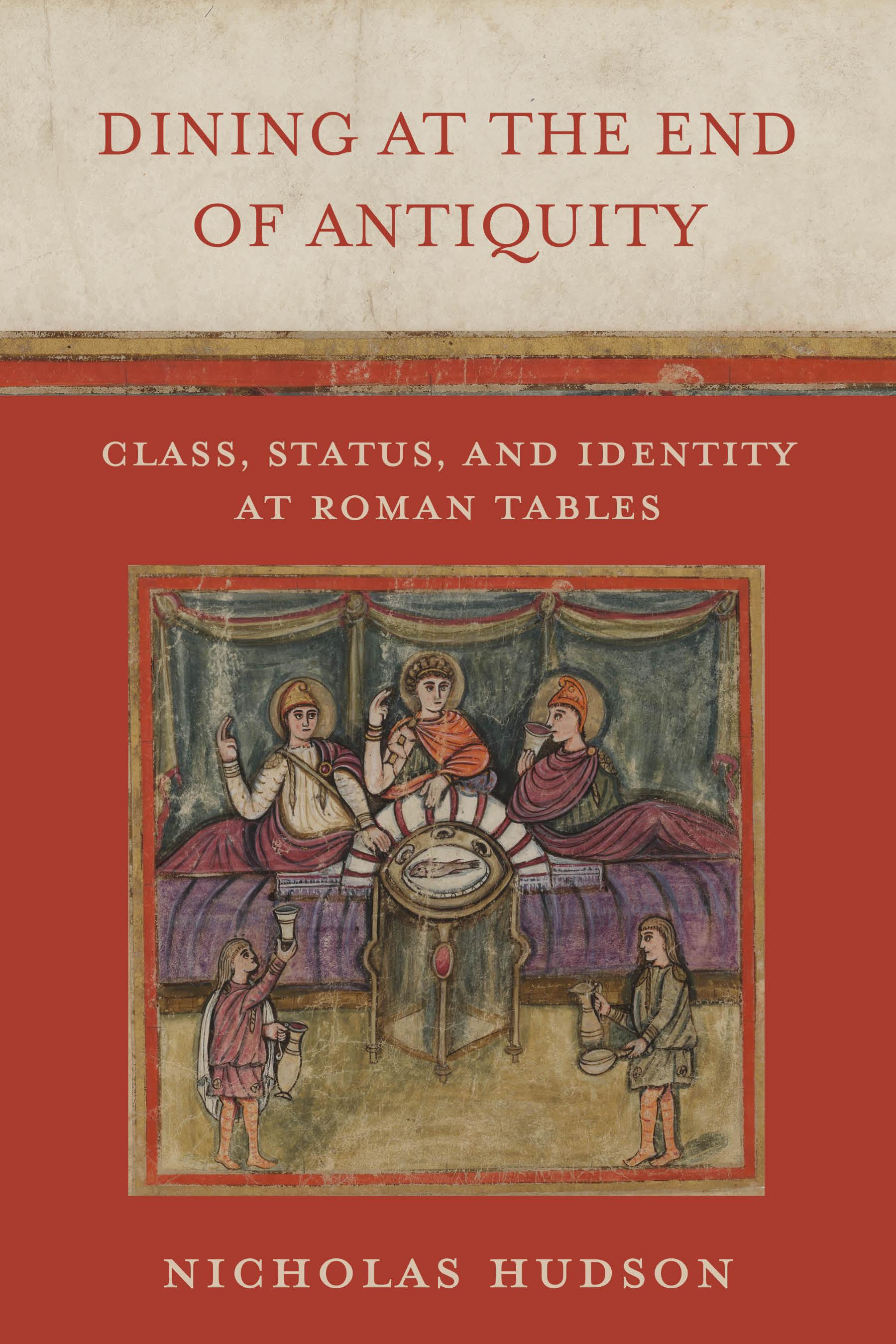
The history of dining is a story that cannot be told without archaeology. Surviving texts describe the opulent banquets of Rome’s wealthy elite but give little attention to the simpler, more intimate social gatherings of domestic invitation dinners. The lower classes, in particular, are largely ignored by literary sources. We can, however, find the voices of the underprivileged by turning to the material detritus of ancient cultures that reflects their social history. Dining at the End of Antiquity brings together the material culture and literary traditions of Romans at the table to reimagine dining culture as an integral part of Roman social order. Through a careful analysis of the tools and equipment of dining, Nicholas Hudson uncovers significant changes to the way different classes came together to share food and wine between the fourth and sixth centuries. Reconstructing the practices of Roman dining culture, Hudson explores the depths of new social distances between the powerful and the dependent at the end of antiquity.
Paga facilmente con carta, Klarna, Apple Pay o Google Pay. Non sei soddisfatto? Hai sempre 14 giorni per il rimborso. Leggi di più nei nostri termini. Per qualsiasi domanda, scrivici a hello@memmo.org.
Memmo rende lo studio più facile, ovunque tu sia nel mondo. Qui trovi i tuoi libri di testo e strumenti di studio intelligenti, tutto in un unico posto: riassunti, quiz, podcast e flashcard. E poi c'è Ted, il tuo compagno di studio che risponde a ogni tua domanda. Oltre 50.000 studenti studiano già qui: è stato creato per aiutarti a imparare più velocemente e a stressarti meno.
Potrebbe interessarti anche
Acquista il libro0