
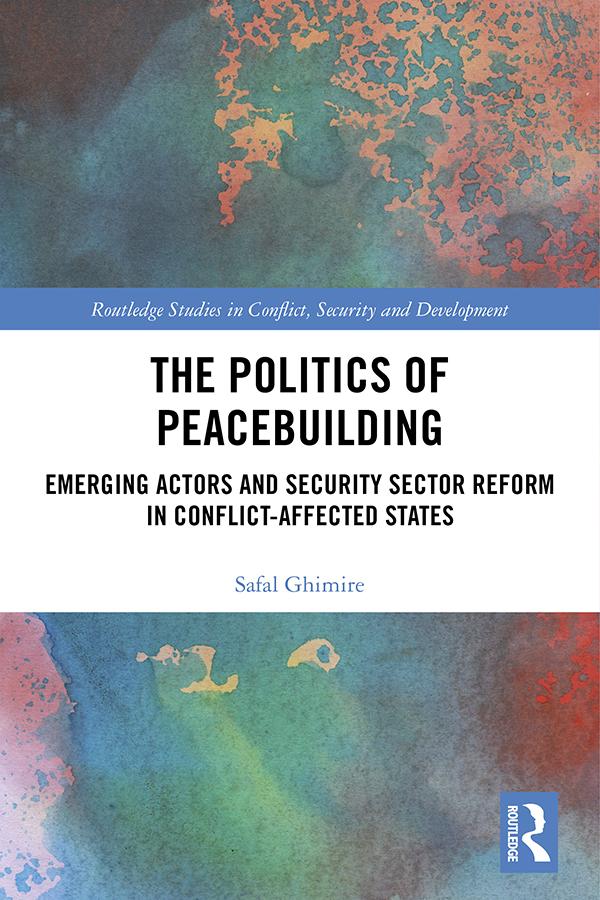
This book examines and compares the diverging security approaches of the UK, China and India in peacebuilding settings, with a specific focus on the case of Nepal.
Rising powers such as China and India dissent from traditional templates of peacebuilding and apply their own methods to respond to security issues. This book fills a gap in the literature by examining how emerging actors (China and India) engage with security and development and how their approaches differ from those of a traditional actor (the UK).
In the light of democratic peace and regional security complex theories, the book interprets interview data to compare and contrast the engagement of these three actors with post-war Nepal, and the implications for security sector governance and peacebuilding. It contends that the UK helped to peacefully manage transition but that the institutional changes were merely ceremonial. China and India, by contrast, were more effective in advancing mutual security agendas through elite-level interactions. However, the ‘hardware’ of security, for example material and infrastructure support, gained more consideration than the ‘software’ of security, such as meritocratic governance and institution building.
This book will be of much interest to students of peacebuilding, development studies, Asian politics, security studies and International Relations in general.
Paga facilmente con carta, Klarna, Apple Pay o Google Pay. Non sei soddisfatto? Hai sempre 14 giorni per il rimborso. Leggi di più nei nostri termini. Per qualsiasi domanda, scrivici a hello@memmo.org.
Memmo rende lo studio più facile, ovunque tu sia nel mondo. Qui trovi i tuoi libri di testo e strumenti di studio intelligenti, tutto in un unico posto: riassunti, quiz, podcast e flashcard. E poi c'è Ted, il tuo compagno di studio che risponde a ogni tua domanda. Oltre 50.000 studenti studiano già qui: è stato creato per aiutarti a imparare più velocemente e a stressarti meno.