
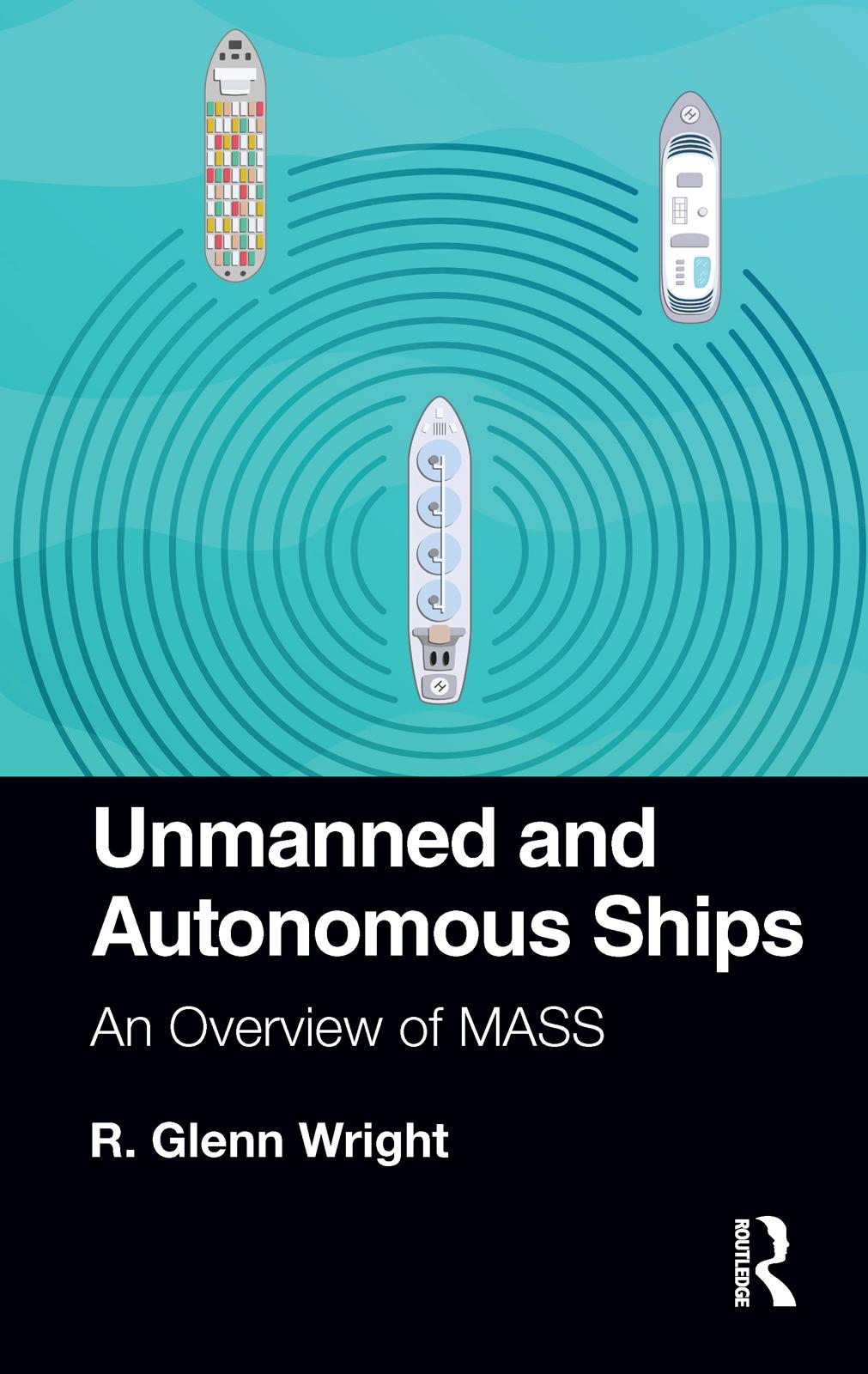
Unmanned ships and autonomous ships are quickly becoming a reality, making shipping safer and more efficient. However, traditional tasks and functions are becoming blurred as new technology changes how the unique needs of different sectors are met. In addition to large vessels dedicated to the transport of goods and cargos across the oceans, major efforts are underway towards the automation of small coastal shipping that includes ferries, tugboats, supply and service vessels, and barges. Automated vehicles are also replacing conventional ships for inspecting and servicing pipelines, drilling platforms, wind farms and other offshore installations.
Automated shipping is explored in terms of economics, technology, safety and the environment under the broad themes of ship design and engineering, command and control, navigation, communications, security, regulatory issues, and training. This includes initiatives for autonomous shipping as well as civilian implications of military ship automation programs. This book is primarily for maritime professionals, regulatory authorities, insurers, and environmental groups. It also suits undergraduate students involved in deck officer training, and graduate students and academics involved in research in ship design, operations and management.
Paga facilmente con carta, Klarna, Apple Pay o Google Pay. Non sei soddisfatto? Hai sempre 14 giorni per il rimborso. Leggi di più nei nostri termini. Per qualsiasi domanda, scrivici a hello@memmo.org.
Memmo rende lo studio più facile, ovunque tu sia nel mondo. Qui trovi i tuoi libri di testo e strumenti di studio intelligenti, tutto in un unico posto: riassunti, quiz, podcast e flashcard. E poi c'è Ted, il tuo compagno di studio che risponde a ogni tua domanda. Oltre 50.000 studenti studiano già qui: è stato creato per aiutarti a imparare più velocemente e a stressarti meno.