
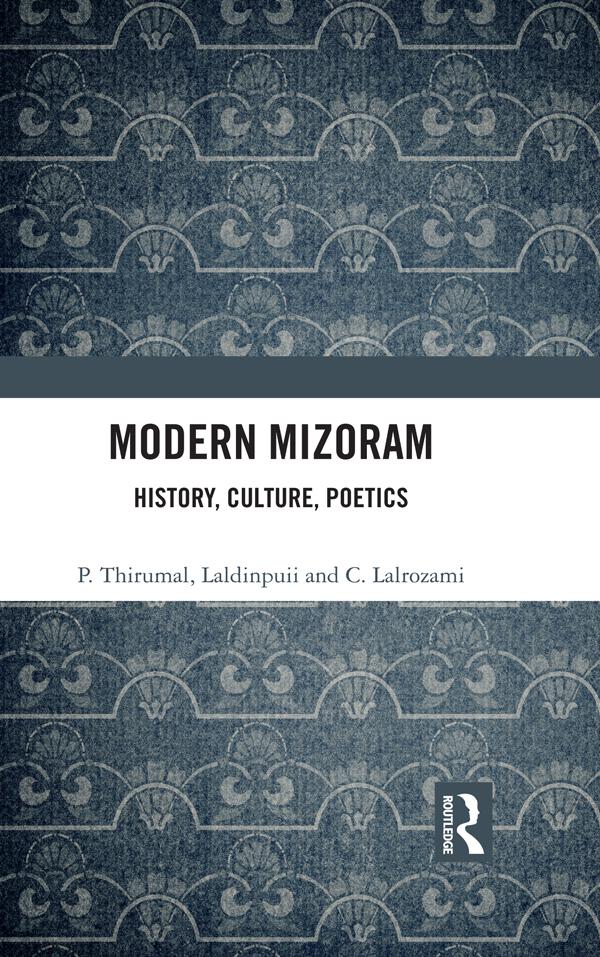
Mizoram is situated at a unique cusp in North East India, in terms of both physical and social contexts. It shares its borders with Myanmar and Bangladesh, while cultural influences range from the indigenous to the Western. This book offers an alternative understanding of the modern history of Mizoram through an analysis of its cultural practices through language, music, poetry and festivals. It explores the roots of modern cultural works not just in Christianity, but also in precolonial Mizo traditional practices. The authors closely examine text, performance and sculptural images, including the first handwritten newspaper Mizo Chanchin Laisuih (1898) and the Puma Zai festival (1907–11) from the early colonial period along with a contemporary sculptural image. They argue that cultural works open up to new forms of interpretations and responses over time. The book indicates that the Mizo creative sensibility enmeshed in theological, capitalistic-material and political/ideological regimes informs its modern enclosures, be it region, religion or nation.
This book will be of great interest to scholars and researchers of cultural studies, literature, media, history, politics, sociology and social anthropology, area studies, North East India studies and South Asian studies.
Paga facilmente con carta, Klarna, Apple Pay o Google Pay. Non sei soddisfatto? Hai sempre 14 giorni per il rimborso. Leggi di più nei nostri termini. Per qualsiasi domanda, scrivici a hello@memmo.org.
Memmo rende lo studio più facile, ovunque tu sia nel mondo. Qui trovi i tuoi libri di testo e strumenti di studio intelligenti, tutto in un unico posto: riassunti, quiz, podcast e flashcard. E poi c'è Ted, il tuo compagno di studio che risponde a ogni tua domanda. Oltre 50.000 studenti studiano già qui: è stato creato per aiutarti a imparare più velocemente e a stressarti meno.