
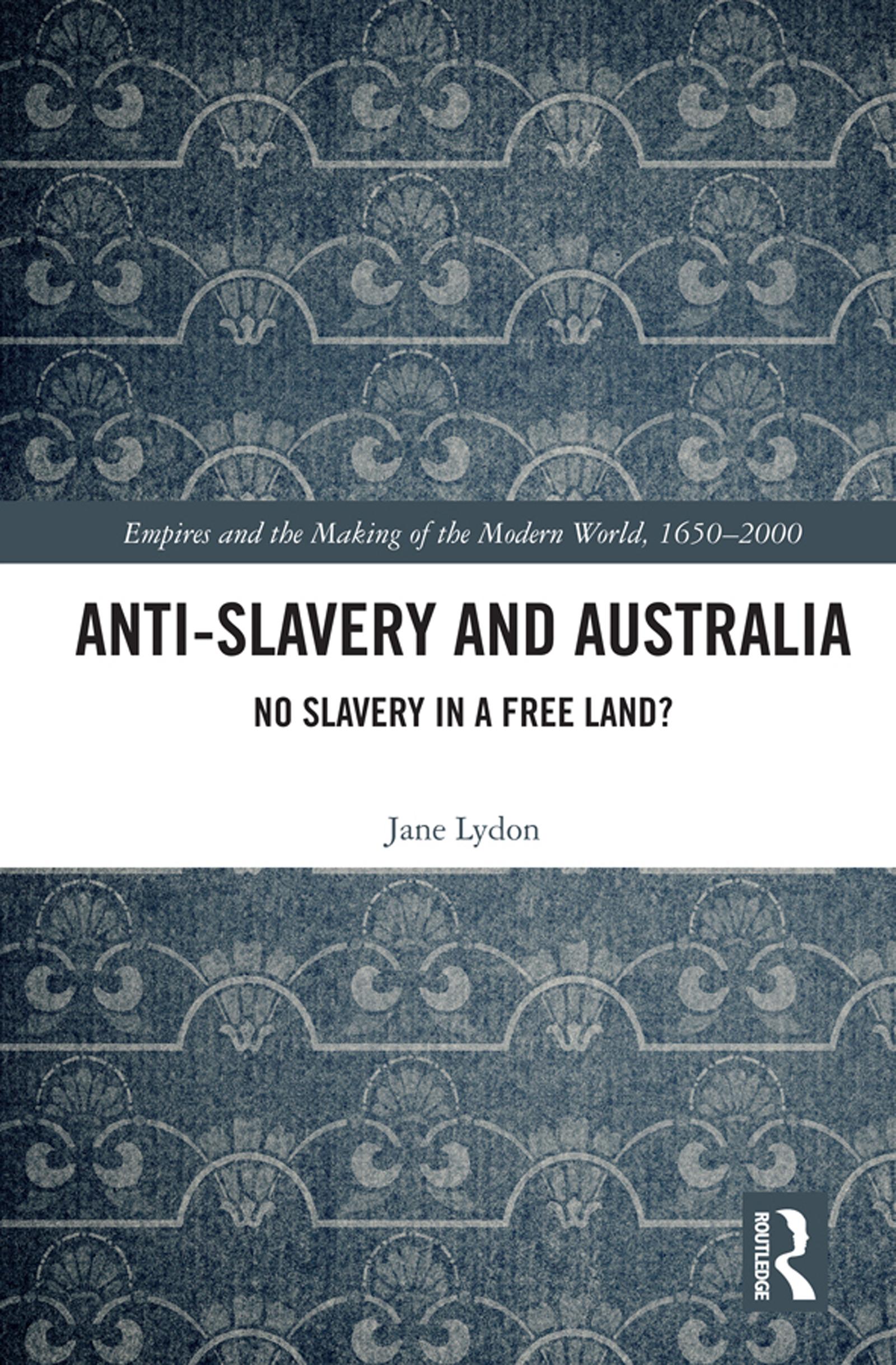
Bringing the histories of British anti-slavery and Australian colonization together changes our view of both. This book explores the anti-slavery movement in imperial scope, arguing that colonization in Australasia facilitated emancipation in the Caribbean, even as abolition powerfully shaped the Settler Revolution. The anti-slavery campaign was deeply entwined with the administration of the empire and its diverse peoples, as well as the radical changes demanded by industrialization and rapid social change in Britain. Abolition posed problems to which colonial expansion provided the answer, intimately linking the end of slavery to systematic colonization and Indigenous dispossession. By defining slavery in the Caribbean as the opposite of freedom, a lasting impact of abolition was to relegate other forms of oppression to lesser status, or to deny them. Through the shared concerns of abolitionists, slave-owners, and colonizers, a plastic ideology of ‘free labour’ was embedded within post-emancipation imperialist geopolitics, justifying the proliferation of new forms of unfree labour and defining new racial categories. The celebration of abolition has overshadowed post-emancipation continuities and transformations of slavery that continue to shape the modern world.
Paga facilmente con carta, Klarna, Apple Pay o Google Pay. Non sei soddisfatto? Hai sempre 14 giorni per il rimborso. Leggi di più nei nostri termini. Per qualsiasi domanda, scrivici a hello@memmo.org.
Memmo rende lo studio più facile, ovunque tu sia nel mondo. Qui trovi i tuoi libri di testo e strumenti di studio intelligenti, tutto in un unico posto: riassunti, quiz, podcast e flashcard. E poi c'è Ted, il tuo compagno di studio che risponde a ogni tua domanda. Oltre 50.000 studenti studiano già qui: è stato creato per aiutarti a imparare più velocemente e a stressarti meno.