
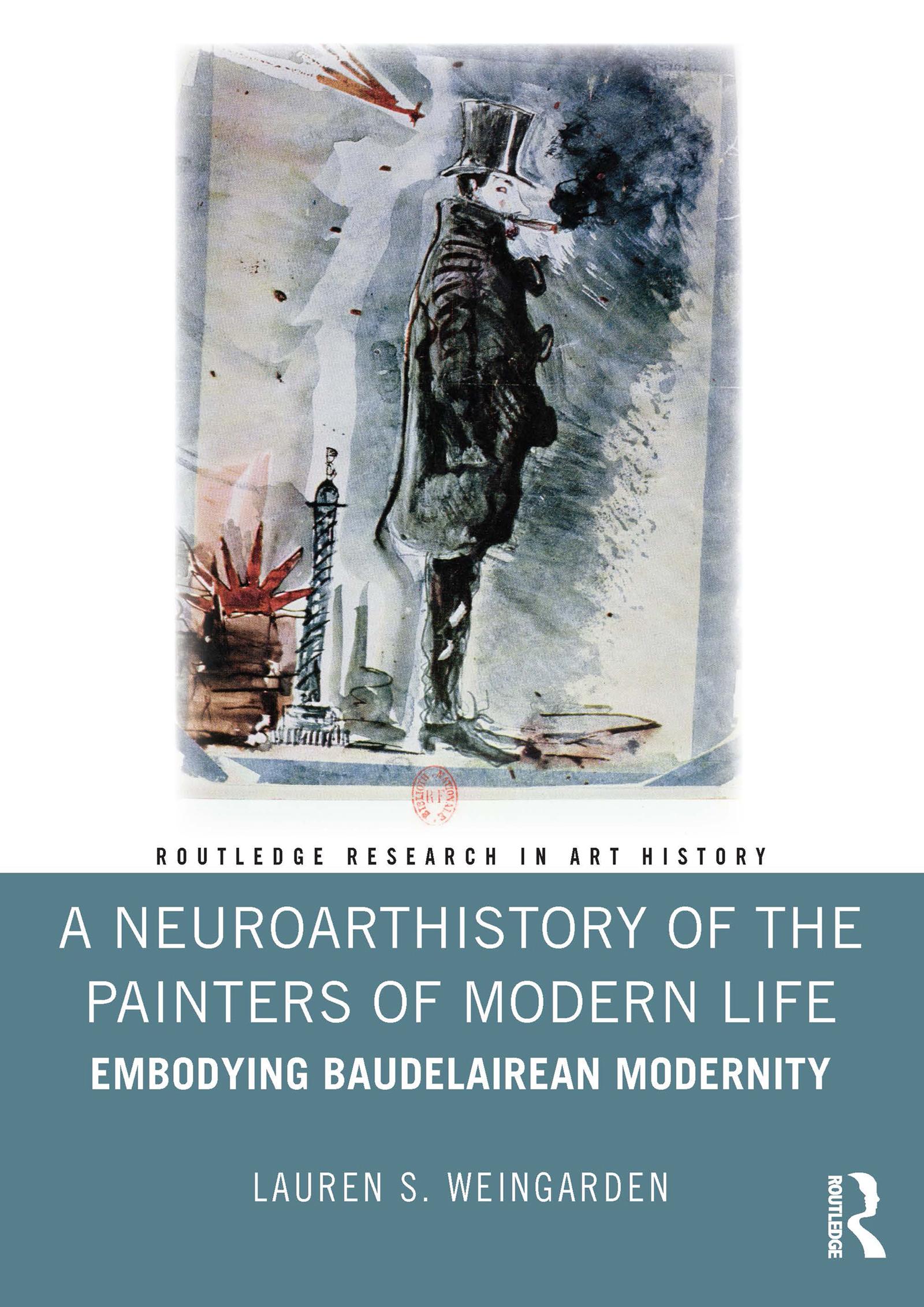
Using a transdisciplinary method combining art history, literary studies, and neuroaesthetics, this book examines the modern urban experience of nineteenth-century Paris through language and images of fragmentation and transformation.
The volume includes new empirical research conducted in collaboration with neuropsychologists, which tracks present-day viewers’ physical and psychological responses to nineteenth-century painting and photography, thus providing data to model an experiential aesthetic for Baudelairean modernity. Weingarden reframes our understanding of Haussmannization, the demolition and rebuilding of the city into a modern metropolis, as witnessed by nineteenth-century Parisians, while also shedding new light on writers’ responses, particularly those of Charles Baudelaire, and of visual artists like Édouard Manet, who contemplated and theorized this modernity and its impact. Using a unique word-and-image methodology, the author illustrates the development of ironic parody as a pictorial device that represents the rupture, fragmentation, and transmutation experienced by the artists and their viewers, revealing how art historians can utilize nineteenth-century neuropsychological practices and current neuroscience methods to reconstruct the lived, embodied experiences of nineteenth-century Paris.
This book will be of interest to students and scholars working in art history, modern art, urban studies and neuropsychology.
Paga facilmente con carta, Klarna, Apple Pay o Google Pay. Non sei soddisfatto? Hai sempre 14 giorni per il rimborso. Leggi di più nei nostri termini. Per qualsiasi domanda, scrivici a hello@memmo.org.
Memmo rende lo studio più facile, ovunque tu sia nel mondo. Qui trovi i tuoi libri di testo e strumenti di studio intelligenti, tutto in un unico posto: riassunti, quiz, podcast e flashcard. E poi c'è Ted, il tuo compagno di studio che risponde a ogni tua domanda. Oltre 50.000 studenti studiano già qui: è stato creato per aiutarti a imparare più velocemente e a stressarti meno.