
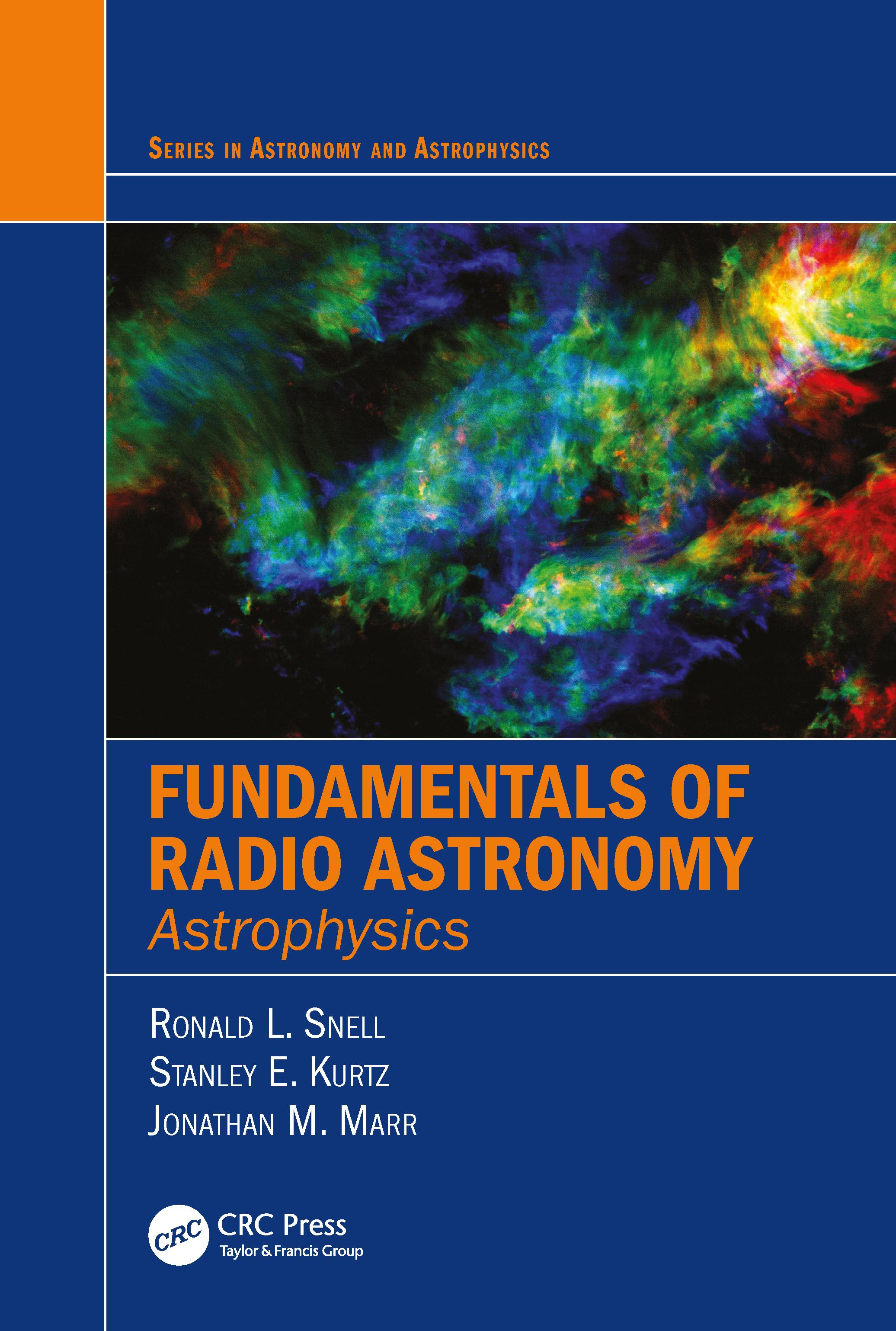
As demonstrated by five Nobel Prizes in physics, radio astronomy has contributed greatly to our understanding of the Universe. Courses covering this subject are, therefore, very important in the education of the next generation of scientists who will continue to explore the Cosmos.
This textbook, the second of two volumes, presents an extensive introduction to the astrophysical processes that are studied in radio astronomy. Suitable for undergraduate courses on radio astronomy, it discusses the physical phenomena that give rise to radio emissions, presenting examples of astronomical objects, and illustrating how the relevant physical parameters of astronomical sources can be obtained from radio observations.
Unlike other radio astronomy textbooks, this book provides students with an understanding of the background and the underlying principles, with derivations available for most of the equations used in the textbook.
Features:
- Presents a clear and concise discussion of the important astronomical concepts and physical processes that give rise to both radio continuum and radio spectral line emission
- Discusses radio emissions from a variety of astronomical sources and shows how the observed emissions can be used to derive the physical properties of these sources
-
Includes numerous examples using actual data from the literature
Paga facilmente con carta, Klarna, Apple Pay o Google Pay. Non sei soddisfatto? Hai sempre 14 giorni per il rimborso. Leggi di più nei nostri termini. Per qualsiasi domanda, scrivici a hello@memmo.org.
Memmo rende lo studio più facile, ovunque tu sia nel mondo. Qui trovi i tuoi libri di testo e strumenti di studio intelligenti, tutto in un unico posto: riassunti, quiz, podcast e flashcard. E poi c'è Ted, il tuo compagno di studio che risponde a ogni tua domanda. Oltre 50.000 studenti studiano già qui: è stato creato per aiutarti a imparare più velocemente e a stressarti meno.