
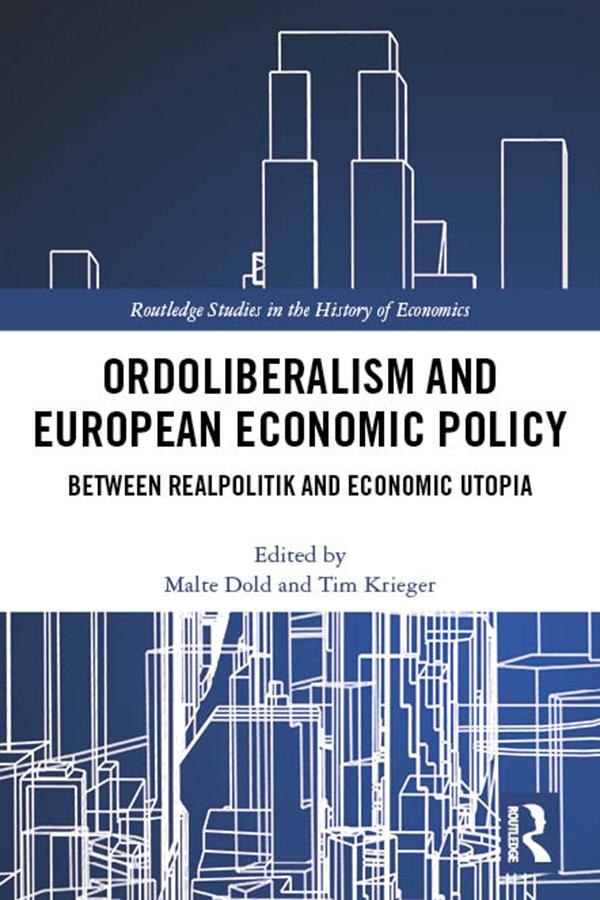
This volume takes a broad perspective on the recent debate on the role of German ordoliberalism in shaping European economic policy before and after the eurozone crisis. It shows how ordoliberal scholars explain the institutional origins of the eurozone crisis, and presents creative policy proposals for the future of the European economy.
Ordoliberal discourse both attempts to offer political solutions to socioeconomic challenges, and to find an ideal market order that fosters individual freedom and social cohesion. This tension between realpolitik and economic utopia reflects the wider debate on how far economic theory shapes, and is shaped by, historical contingencies and institutions.
The volume will be of interest to policymakers as well as research scholars, and graduate students from various disciplines ranging from economics to political science, history, and philosophy.
Paga facilmente con carta, Klarna, Apple Pay o Google Pay. Non sei soddisfatto? Hai sempre 14 giorni per il rimborso. Leggi di più nei nostri termini. Per qualsiasi domanda, scrivici a hello@memmo.org.
Memmo rende lo studio più facile, ovunque tu sia nel mondo. Qui trovi i tuoi libri di testo e strumenti di studio intelligenti, tutto in un unico posto: riassunti, quiz, podcast e flashcard. E poi c'è Ted, il tuo compagno di studio che risponde a ogni tua domanda. Oltre 50.000 studenti studiano già qui: è stato creato per aiutarti a imparare più velocemente e a stressarti meno.