
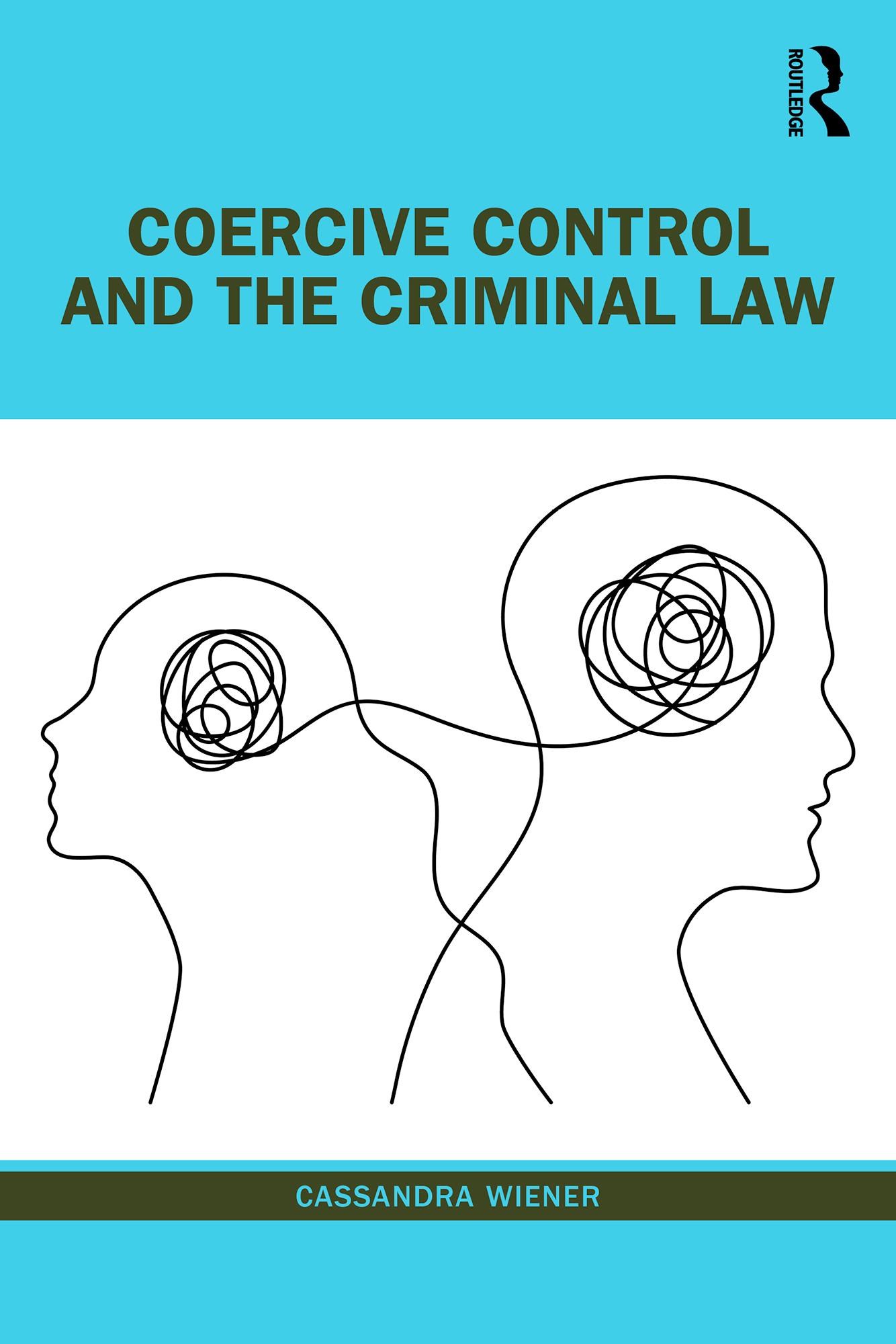
This book considers how a phenomenon as complex as coercive control can be criminalised. The recognition and ensuing criminalisation of coercive control in the UK and Ireland has been the focus of considerable international attention. It has generated complex questions about the "best" way to criminalise domestic abuse. This work reviews recent domestic abuse criminal law reform in the UK and Ireland. In particular, it defines coercive control and explains why using traditional criminal law approaches to prosecute it does not work. Laws passed in England and Wales versus Scotland represent two different approaches to translating coercive control into a criminal offence. This volume explains how and why the jurisdictions have taken different approaches and examines the advantages and disadvantages of each. As jurisdictions around the world review what steps need to be taken to improve national criminal justice responses to domestic abuse, the question of what works, and why, at the intersection of domestic abuse and the criminal law has never been more important. As such, the book will be a vital resource for lawyers, policy-makers and activists with an interest in domestic abuse law reform.
Paga facilmente con carta, Klarna, Apple Pay o Google Pay. Non sei soddisfatto? Hai sempre 14 giorni per il rimborso. Leggi di più nei nostri termini. Per qualsiasi domanda, scrivici a hello@memmo.org.
Memmo rende lo studio più facile, ovunque tu sia nel mondo. Qui trovi i tuoi libri di testo e strumenti di studio intelligenti, tutto in un unico posto: riassunti, quiz, podcast e flashcard. E poi c'è Ted, il tuo compagno di studio che risponde a ogni tua domanda. Oltre 50.000 studenti studiano già qui: è stato creato per aiutarti a imparare più velocemente e a stressarti meno.