
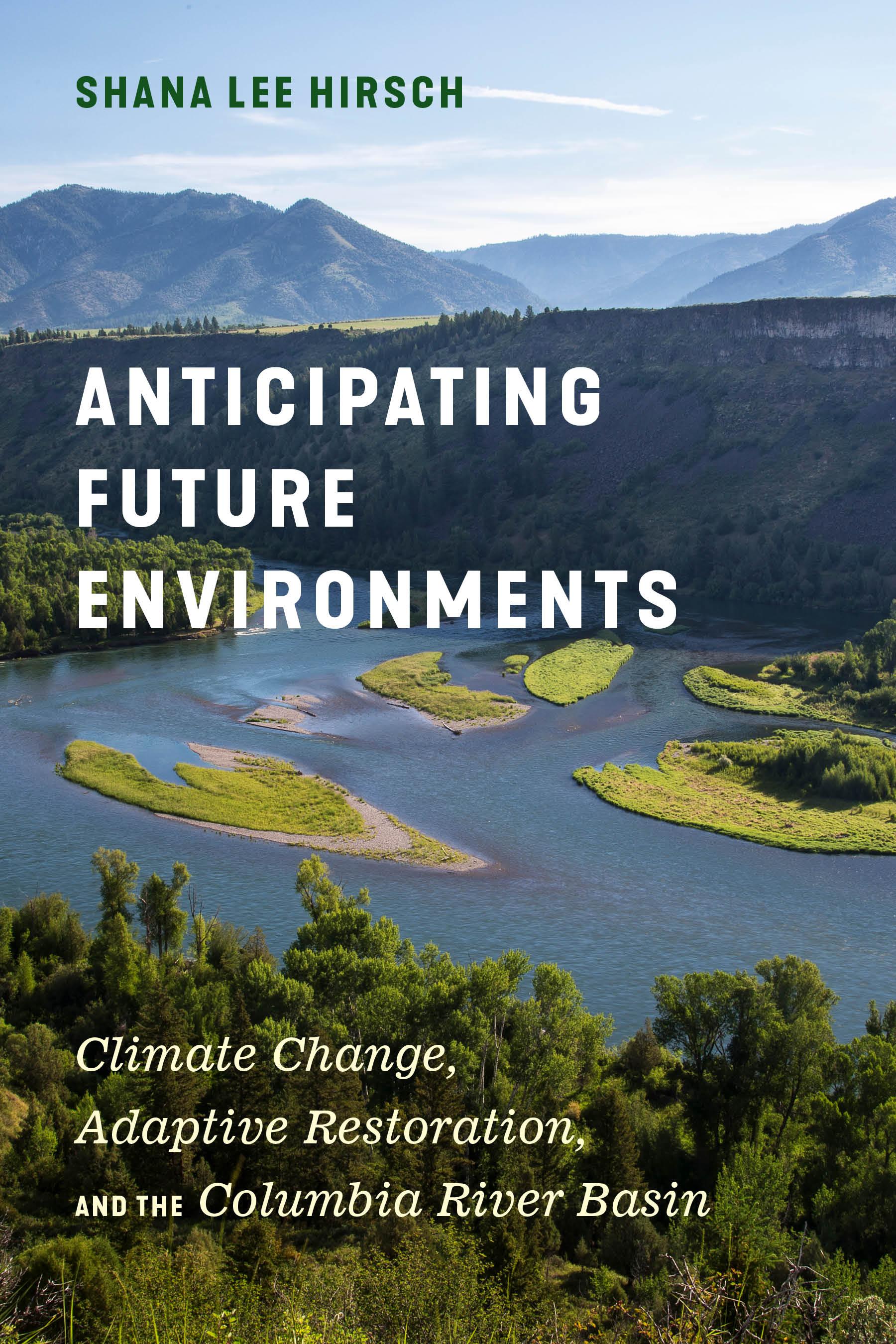
Drought. Wildfire. Extreme flooding. How does climate change affect the daily work of scientists? Ecological restoration is often premised on the idea of returning a region to an earlier, healthier state. Yet the effects of climate change undercut that premise and challenge the ways scientists can work, destabilizing the idea of “normalcy” and revealing the politics that shape what scientists can do. How can the practice of ecological restoration shift to anticipate an increasingly dynamic future? And how does a scientific field itself adapt to climate change?
Restoration efforts in the Columbia River Basin—a vast and diverse landscape experiencing warming waters, less snowpack, and greater fluctuations in precipitation—may offer answers to some of these questions. Shana Hirsch tells the story of restoration science in the basin, surveying its past and detailing the work of today’s salmon habitat restoration efforts. Her analysis offers critical insight into scientific practices, emerging approaches and ways of thinking, the incorporation of future climate change scenarios into planning, and the ultimate transformation—or adaptation—of the science of ecological restoration. For scientists and environmental managers around the globe, Anticipating Future Environments will shed light on how to more effectively cope with climate change.
Paga facilmente con carta, Klarna, Apple Pay o Google Pay. Non sei soddisfatto? Hai sempre 14 giorni per il rimborso. Leggi di più nei nostri termini. Per qualsiasi domanda, scrivici a hello@memmo.org.
Memmo rende lo studio più facile, ovunque tu sia nel mondo. Qui trovi i tuoi libri di testo e strumenti di studio intelligenti, tutto in un unico posto: riassunti, quiz, podcast e flashcard. E poi c'è Ted, il tuo compagno di studio che risponde a ogni tua domanda. Oltre 50.000 studenti studiano già qui: è stato creato per aiutarti a imparare più velocemente e a stressarti meno.