
"Extremely well written, and exceedingly well informed, this is a work that opens a variety of important questions in sophisticated and theoretically nuanced ways. It is hard to imagine a better tour guide than Fuchs for a trip through the last thirty years of, as she puts it, what we used to call the 'avant-garde.'" —Essays in Theatre
". . . an insightful set of theoretical 'takes' on how to think about theatre before and theatre after modernism." —Theatre Journal
"In short, for those who never experienced a 'postmodern swoon,' Elinor Fuchs is an excellent informant." —Performing Arts Journal
". . . a thoughtful, highly readable contribution to the evolving literature on theatre and postmodernism." —Modern Drama
"A work of bold theoretical ambition and exceptional critical intelligence. . . . Fuchs combines mastery of contemporary cultural theory with a long and full participation in American theater culture: the result is a long-needed, long-awaited elaboration of a new theatrical paradigm." —Una Chaudhuri, New York University
"What makes this book exceptional is Fuchs' acute rehearsal of the stranger unnerving events of the last generation that have—in the cross-reflections of theory—determined our thinking about theater. She seems to have seen and absorbed them all." —Herbert Blau, Center for Twentieth Century Studies, University of Wisconsin, Milwaukee
"Surveying the extraordinary scene of the postmodern American theater, Fuchs boldly frames key issues of subjectivity and performance with the keenest of critical eyes for the compelling image and the telling gesture." —Joseph Roach, Tulane University
" . . . Fuchs makes an exceptionally lucid and eloquent case for the value and contradictions in postmodern theater." —Alice Rayner, Stanford University
"Arguably the most accessible yet learned road map to what remains for many impenetrable territoryan obligatory addition to all academic libraries serving upper-division undertgraduates and above." —Choice
"A systematic, comprehensive and historically-minded assessment of what, precisely, 'post-modern theatre' is, anyway." —American Theatre
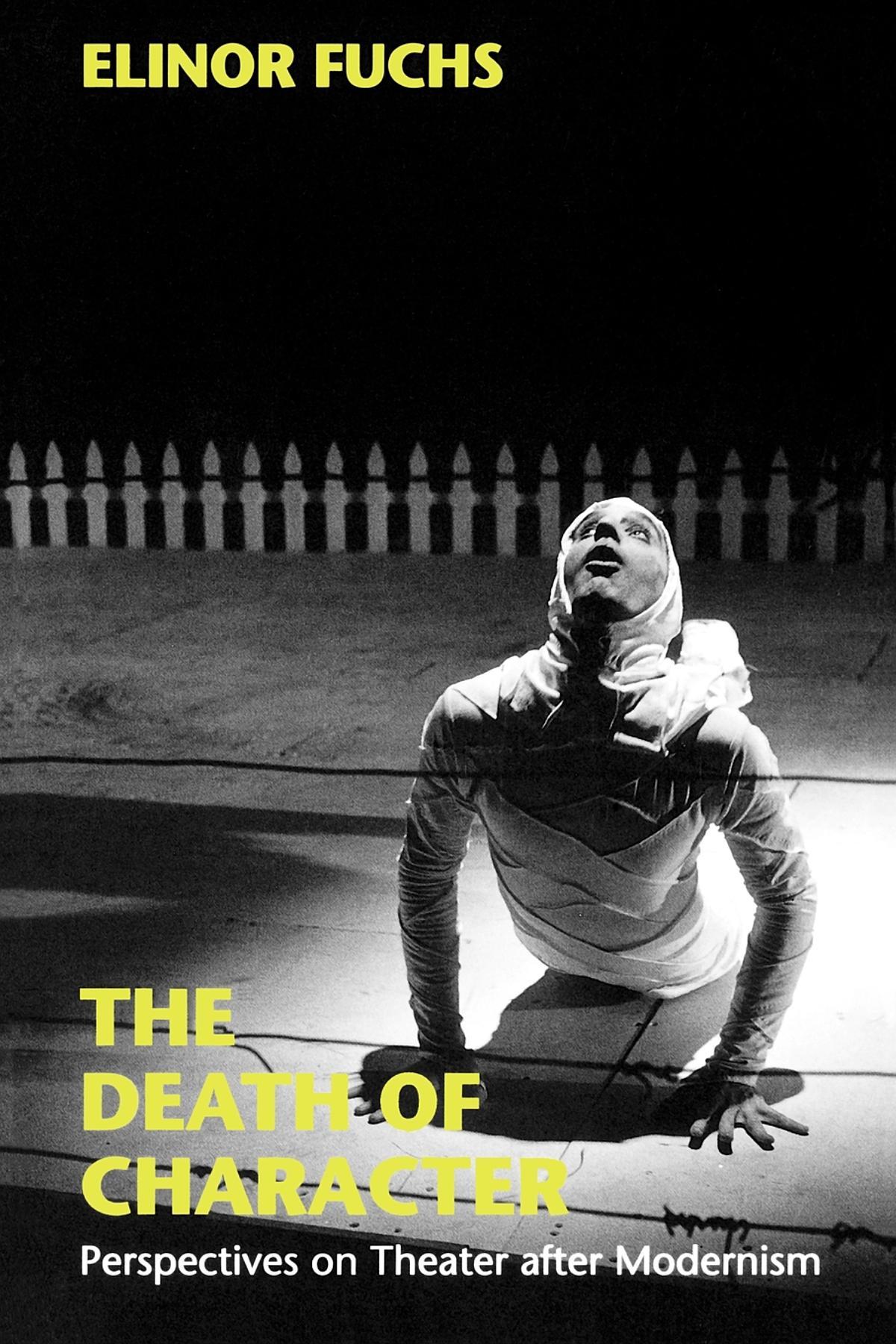
In this engrossing study, Elinor Fuchs explores the multiple worlds of theater after modernism. While The Death of Character engages contemporary cultural and aesthetic theory, Elinor Fuchs always speaks as an active theater critic. Nine of her Village Voice and American Theatre essays conclude the volume. They give an immediate, vivid account of contemporary theater and theatrical culture written from the front of rapid cultural change.
Paga facilmente con carta, Klarna, Apple Pay o Google Pay. Non sei soddisfatto? Hai sempre 14 giorni per il rimborso. Leggi di più nei nostri termini. Per qualsiasi domanda, scrivici a hello@memmo.org.
Memmo rende lo studio più facile, ovunque tu sia nel mondo. Qui trovi i tuoi libri di testo e strumenti di studio intelligenti, tutto in un unico posto: riassunti, quiz, podcast e flashcard. E poi c'è Ted, il tuo compagno di studio che risponde a ogni tua domanda. Oltre 50.000 studenti studiano già qui: è stato creato per aiutarti a imparare più velocemente e a stressarti meno.