
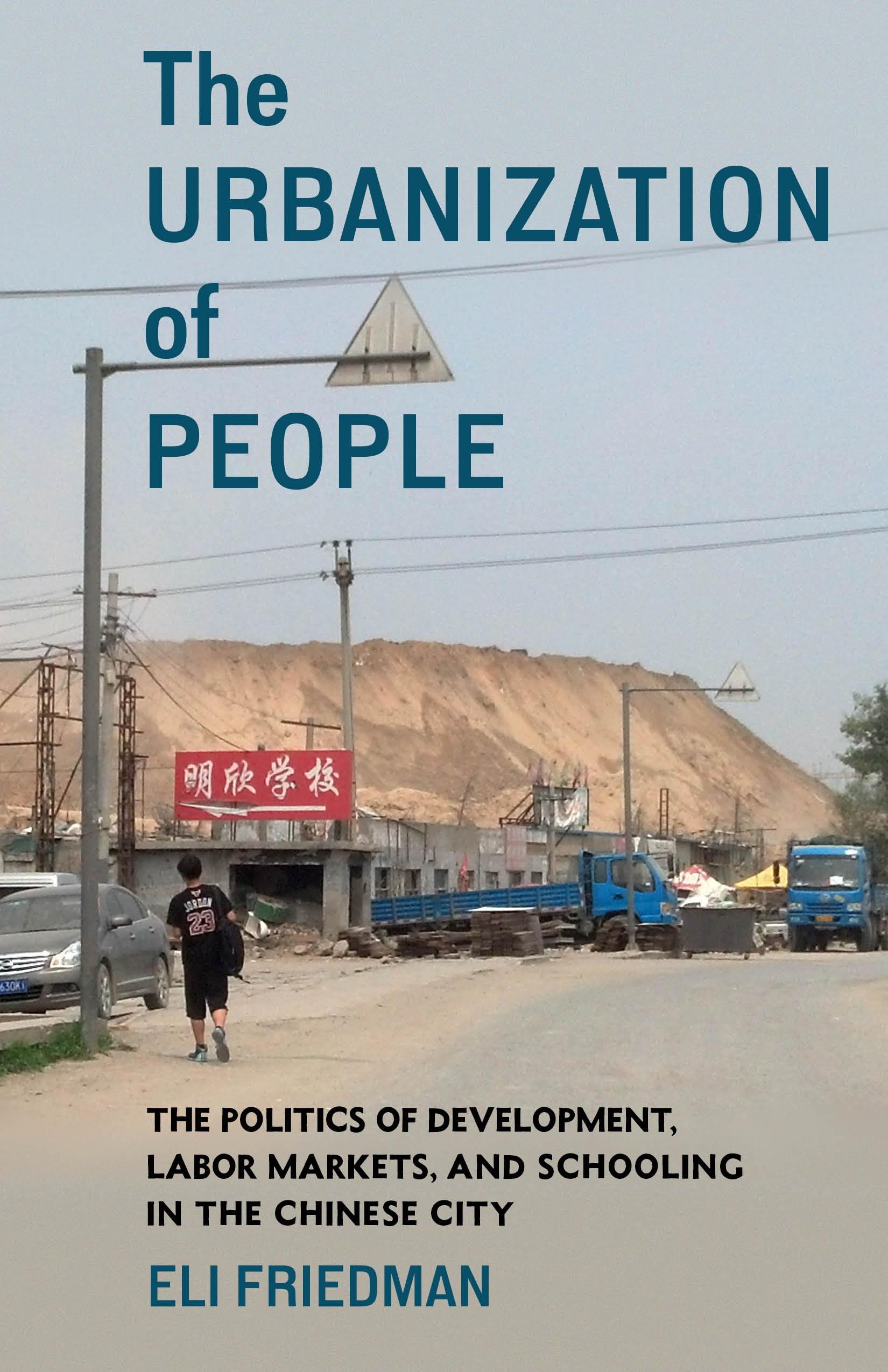
Amid a vast influx of rural migrants into urban areas, China has allowed cities wide latitude in providing education and other social services. While millions of people have been welcomed into the megacities as a source of cheap labor, local governments have used various tools to limit their access to full citizenship.
The Urbanization of People reveals how cities in China have granted public goods to the privileged while condemning poor and working-class migrants to insecurity, constant mobility, and degraded educational opportunities. Using the school as a lens on urban life, Eli Friedman investigates how the state manages flows of people into the city. He demonstrates that urban governments are providing quality public education to those who need it least: school admissions for nonlocals heavily favor families with high levels of economic and cultural capital. Those deemed not useful are left to enroll their children in precarious resource-starved private schools that sometimes are subjected to forced demolition. Over time, these populations are shunted away to smaller locales with inferior public services.
Based on extensive ethnographic research and hundreds of in-depth interviews, this interdisciplinary book details the policy framework that produces unequal outcomes as well as providing a fine-grained account of the life experiences of people drawn into the cities as workers but excluded as full citizens.
Paga facilmente con carta, Klarna, Apple Pay o Google Pay. Non sei soddisfatto? Hai sempre 14 giorni per il rimborso. Leggi di più nei nostri termini. Per qualsiasi domanda, scrivici a hello@memmo.org.
Memmo rende lo studio più facile, ovunque tu sia nel mondo. Qui trovi i tuoi libri di testo e strumenti di studio intelligenti, tutto in un unico posto: riassunti, quiz, podcast e flashcard. E poi c'è Ted, il tuo compagno di studio che risponde a ogni tua domanda. Oltre 50.000 studenti studiano già qui: è stato creato per aiutarti a imparare più velocemente e a stressarti meno.