
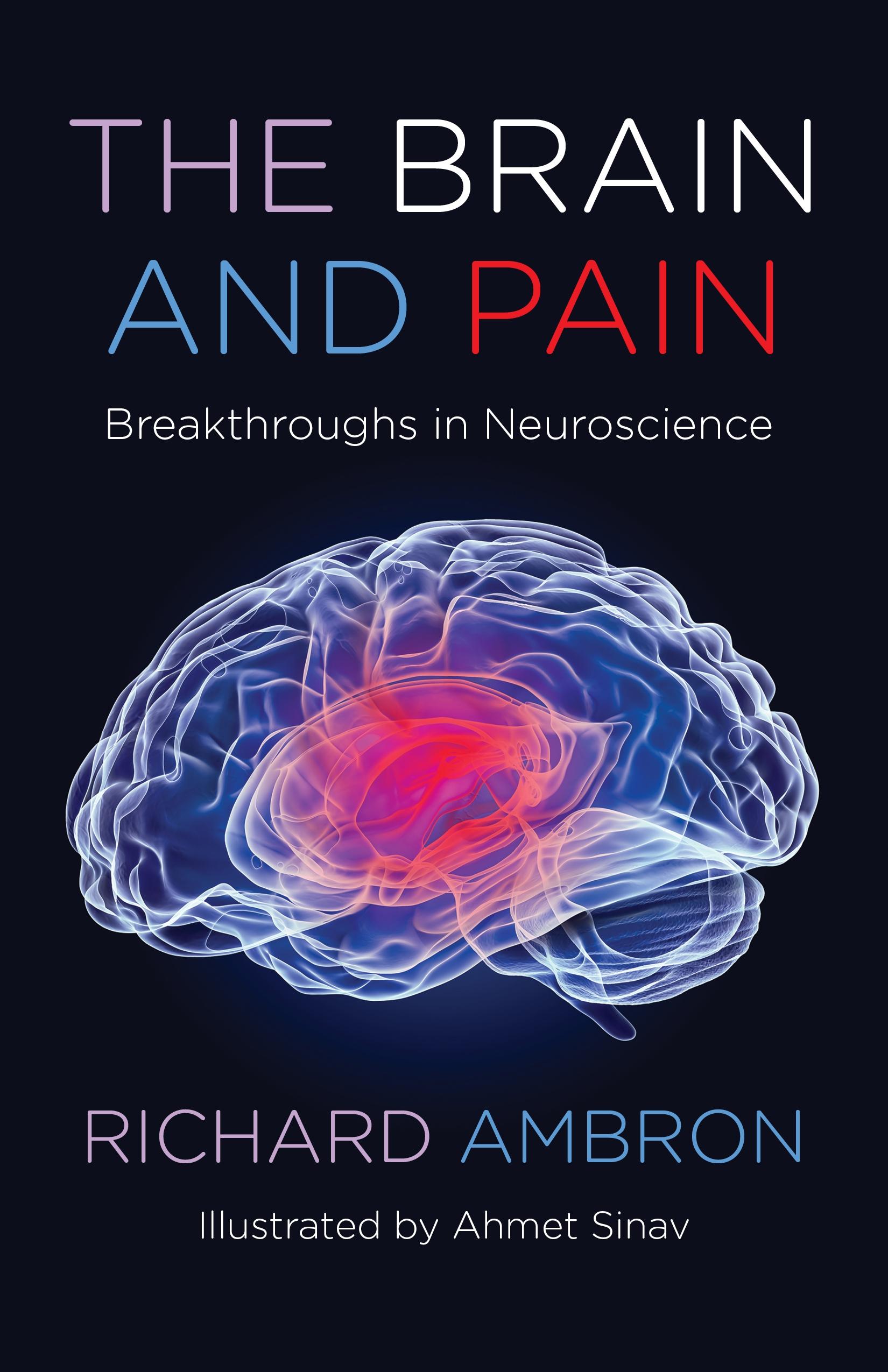
Pain is an inevitable part of existence, but severe debilitating or chronic pain is a pathological condition that diminishes the quality of life. The Brain and Pain explores the present and future of pain management, providing a comprehensive understanding based on the latest discoveries from many branches of neuroscience.
Richard Ambron—the former director of a neuroscience lab that conducted leading research in this field—explains the science of how and why we feel pain. He describes how the nervous system and brain process information that leads to the experience of pain, detailing the cellular and molecular functions that are responsible for the initial perceptions of an injury. He discusses how pharmacological agents such as opiates affect the duration and intensity of pain. Ambron examines new evidence showing that discrete circuits in the brain modulate the experience of pain in response to a placebo, fear, anxiety, belief, or other circumstances, as well as how pain can be relieved by activating these circuits using mindfulness training and other nonpharmacological treatments. The book also evaluates the prospects of procedures such as deep brain stimulation and optogenetics.
Current and thorough, The Brain and Pain will be invaluable for a range of people seeking to understand their options for treatment as well as students in neuroscience and medicine.
Paga facilmente con carta, Klarna, Apple Pay o Google Pay. Non sei soddisfatto? Hai sempre 14 giorni per il rimborso. Leggi di più nei nostri termini. Per qualsiasi domanda, scrivici a hello@memmo.org.
Memmo rende lo studio più facile, ovunque tu sia nel mondo. Qui trovi i tuoi libri di testo e strumenti di studio intelligenti, tutto in un unico posto: riassunti, quiz, podcast e flashcard. E poi c'è Ted, il tuo compagno di studio che risponde a ogni tua domanda. Oltre 50.000 studenti studiano già qui: è stato creato per aiutarti a imparare più velocemente e a stressarti meno.