
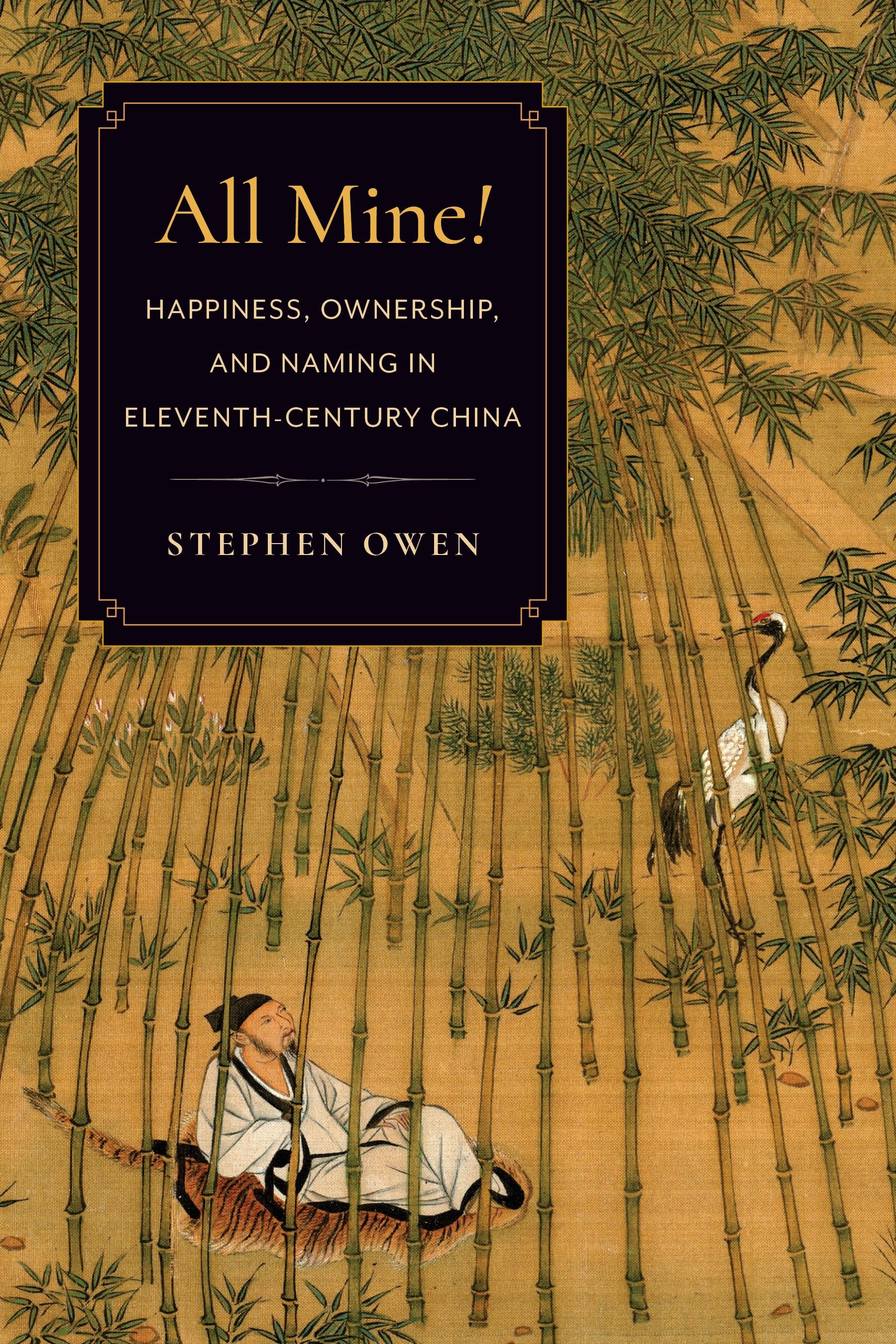
Under the Song Dynasty, China experienced rapid commercial growth and monetization of the economy. In the same period, the austere ethical turn that led to neo-Confucianism was becoming increasingly prevalent in the imperial bureaucracy and literati culture. Tracing the influences of these trends in Chinese intellectual history, All Mine! explores the varied ways in which eleventh-century writers worked through the conflicting values of this new world.
Stephen Owen contends that in the new money economy of the Song, writers became preoccupied with the question of whether material things can bring happiness. Key thinkers returned to this problem, weighing the conflicting influences of worldly possessions and material comfort against Confucian ideology, which locates true contentment in the Way and disdains attachment to things. In a series of essays, Owen examines the works of writers such as the prose master Ouyang Xiu, who asked whether tranquility could be found in the backwater to which he had been exiled; the poet and essayist Su Dongpo, who was put on trial for slandering the emperor; and the historian Sima Guang, whose private garden elicited reflections on private ownership. Through strikingly original readings of major eleventh-century figures, All Mine! inquires not only into the material conditions of happiness but also the broader conditions of knowledge.
Paga facilmente con carta, Klarna, Apple Pay o Google Pay. Non sei soddisfatto? Hai sempre 14 giorni per il rimborso. Leggi di più nei nostri termini. Per qualsiasi domanda, scrivici a hello@memmo.org.
Memmo rende lo studio più facile, ovunque tu sia nel mondo. Qui trovi i tuoi libri di testo e strumenti di studio intelligenti, tutto in un unico posto: riassunti, quiz, podcast e flashcard. E poi c'è Ted, il tuo compagno di studio che risponde a ogni tua domanda. Oltre 50.000 studenti studiano già qui: è stato creato per aiutarti a imparare più velocemente e a stressarti meno.