
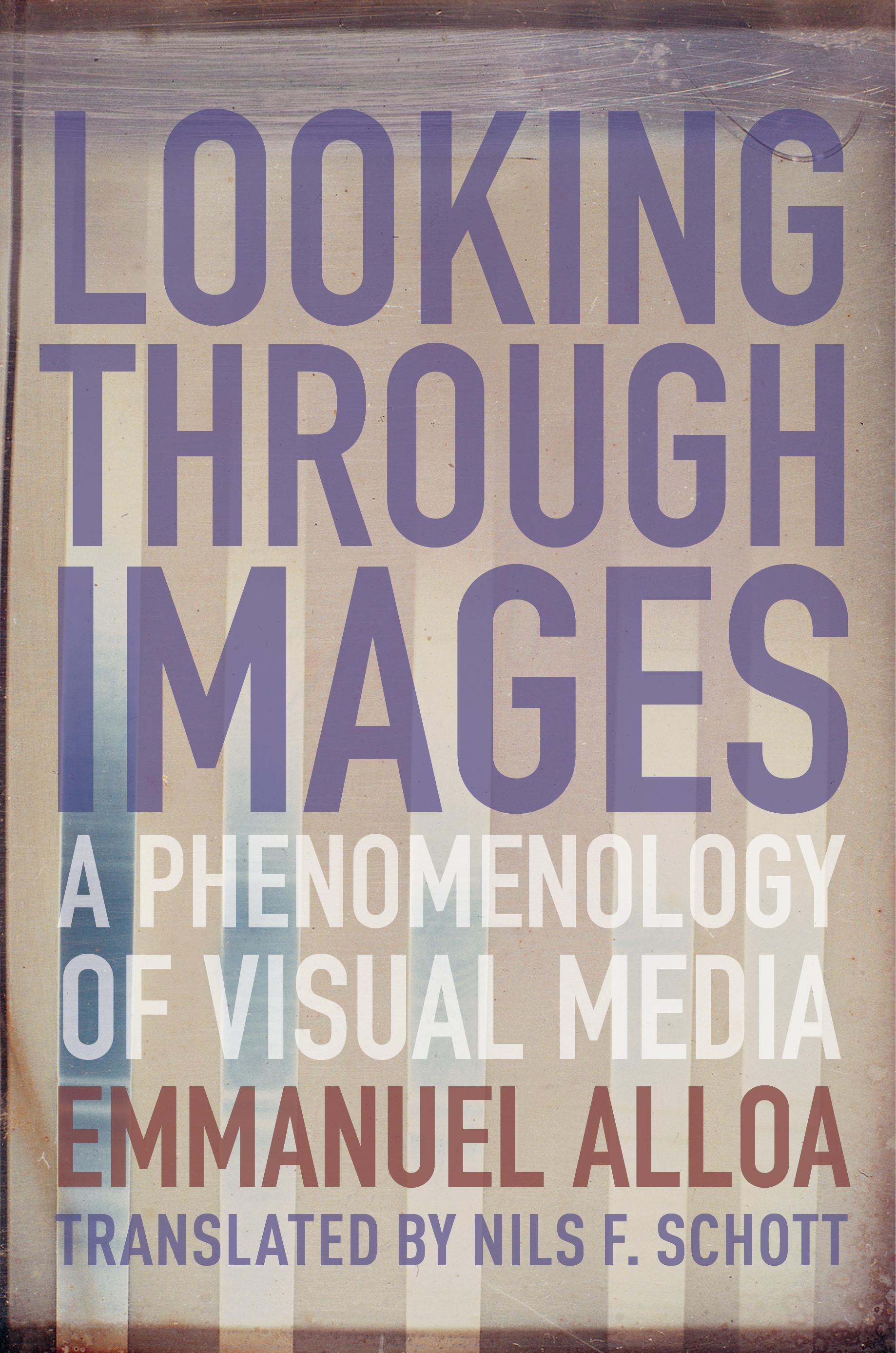
Images have always stirred ambivalent reactions. Yet whether eliciting fascinated gazes or iconoclastic repulsion from their beholders, they have hardly ever been seen as true sources of knowledge. They were long viewed as mere appearances, placeholders for the things themselves or deceptive illusions. Today, the traditional critique of the spectacle has given way to an unconditional embrace of the visual. However, we still lack a persuasive theoretical account of how images work.
Emmanuel Alloa retraces the history of Western attitudes toward the visual to propose a major rethinking of images as irreplaceable agents of our everyday engagement with the world. He examines how ideas of images and their powers have been constructed in Western humanities, art theory, and philosophy, developing a novel genealogy of both visual studies and the concept of the medium. Alloa reconstructs the earliest Western media theory—Aristotle’s concept of the diaphanous milieu of vision—and the significance of its subsequent erasure in the history of science. Ultimately, he argues for a historically informed phenomenology of images and visual media that explains why images are not simply referential depictions, windows onto the world. Instead, images constantly reactivate the power of appearing. As media of visualization, they allow things to appear that could not be visible except in and through these very material devices.
Paga facilmente con carta, Klarna, Apple Pay o Google Pay. Non sei soddisfatto? Hai sempre 14 giorni per il rimborso. Leggi di più nei nostri termini. Per qualsiasi domanda, scrivici a hello@memmo.org.
Memmo rende lo studio più facile, ovunque tu sia nel mondo. Qui trovi i tuoi libri di testo e strumenti di studio intelligenti, tutto in un unico posto: riassunti, quiz, podcast e flashcard. E poi c'è Ted, il tuo compagno di studio che risponde a ogni tua domanda. Oltre 50.000 studenti studiano già qui: è stato creato per aiutarti a imparare più velocemente e a stressarti meno.