
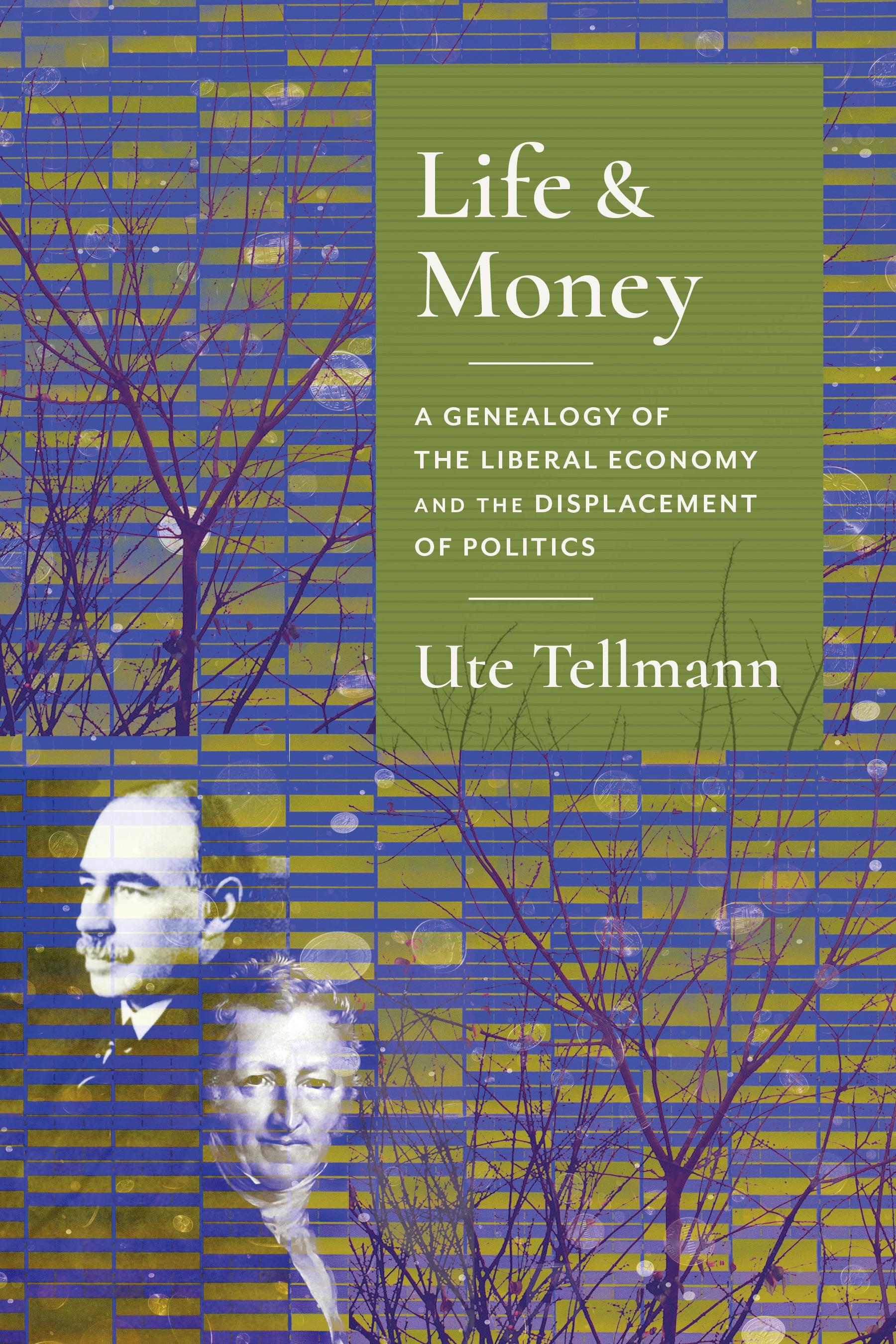
Life and Money uncovers the contentious history of the boundary between economy and politics in liberalism. Ute Tellmann traces the shifting ontologies for defining economic necessity. She argues that our understanding of the malleability of economic relations has been displaced by colonial hierarchies of civilization and the biopolitics of the nation. Bringing economics into conversation with political theory, cultural economy, postcolonial thought, and history, Tellmann gives a radically novel interpretation of scarcity and money in terms of materiality, temporality, and affect.
The book investigates the conceptual shifts regarding economic order during two moments of profound crisis in the history of liberalism. In the wake of the French Revolution, Thomas Robert Malthus’s notion of population linked liberalism to a sense of economic necessity that stands counter to political promises of equality. During the Great Depression, John Maynard Keynes’s writings on money proved crucial for the invention of macroeconomic theory and signaled the birth of the managed economy. Both periods, Tellmann shows, entail a displacement of the malleability of the economic. By tracing this conceptual history, Life and Money opens up liberalism, including our neoliberal present, to a new sense of economic and political possibility.
Paga facilmente con carta, Klarna, Apple Pay o Google Pay. Non sei soddisfatto? Hai sempre 14 giorni per il rimborso. Leggi di più nei nostri termini. Per qualsiasi domanda, scrivici a hello@memmo.org.
Memmo rende lo studio più facile, ovunque tu sia nel mondo. Qui trovi i tuoi libri di testo e strumenti di studio intelligenti, tutto in un unico posto: riassunti, quiz, podcast e flashcard. E poi c'è Ted, il tuo compagno di studio che risponde a ogni tua domanda. Oltre 50.000 studenti studiano già qui: è stato creato per aiutarti a imparare più velocemente e a stressarti meno.