
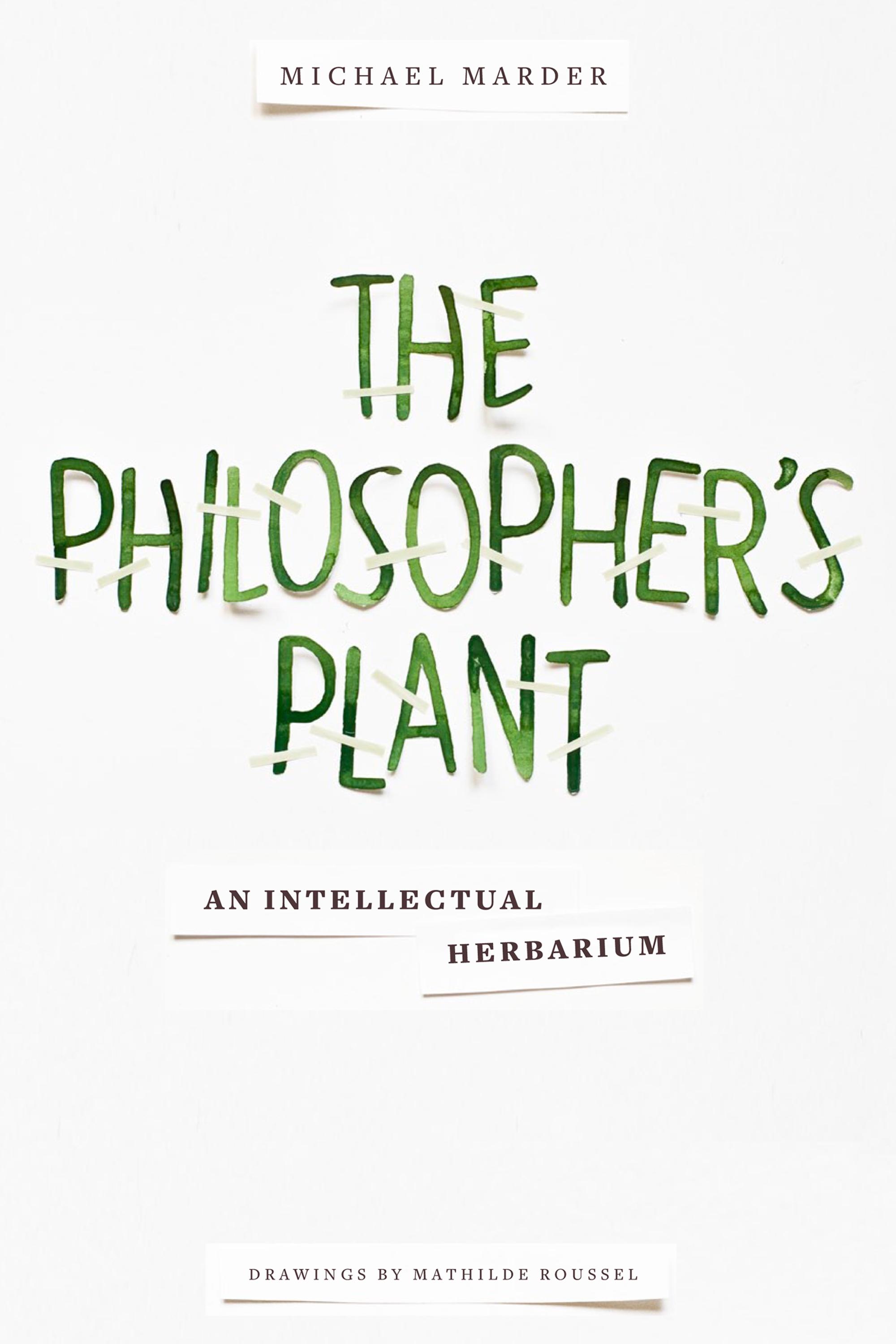
Despite their conceptual allergy to vegetal life, philosophers have used germination, growth, blossoming, fruition, reproduction, and decay as illustrations of abstract concepts; mentioned plants in passing as the natural backdrops for dialogues, letters, and other compositions; spun elaborate allegories out of flowers, trees, and even grass; and recommended appropriate medicinal, dietary, and aesthetic approaches to select species of plants.
In this book, Michael Marder illuminates the vegetal centerpieces and hidden kernels that have powered theoretical discourse for centuries. Choosing twelve botanical specimens that correspond to twelve significant philosophers, he recasts the development of philosophy through the evolution of human and plant relations. A philosophical history for the postmetaphysical age, The Philosopher's Plant reclaims the organic heritage of human thought. With the help of vegetal images, examples, and metaphors, the book clears a path through philosophy's tangled roots and dense undergrowth, opening up the discipline to all readers.
Paga facilmente con carta, Klarna, Apple Pay o Google Pay. Non sei soddisfatto? Hai sempre 14 giorni per il rimborso. Leggi di più nei nostri termini. Per qualsiasi domanda, scrivici a hello@memmo.org.
Memmo rende lo studio più facile, ovunque tu sia nel mondo. Qui trovi i tuoi libri di testo e strumenti di studio intelligenti, tutto in un unico posto: riassunti, quiz, podcast e flashcard. E poi c'è Ted, il tuo compagno di studio che risponde a ogni tua domanda. Oltre 50.000 studenti studiano già qui: è stato creato per aiutarti a imparare più velocemente e a stressarti meno.