
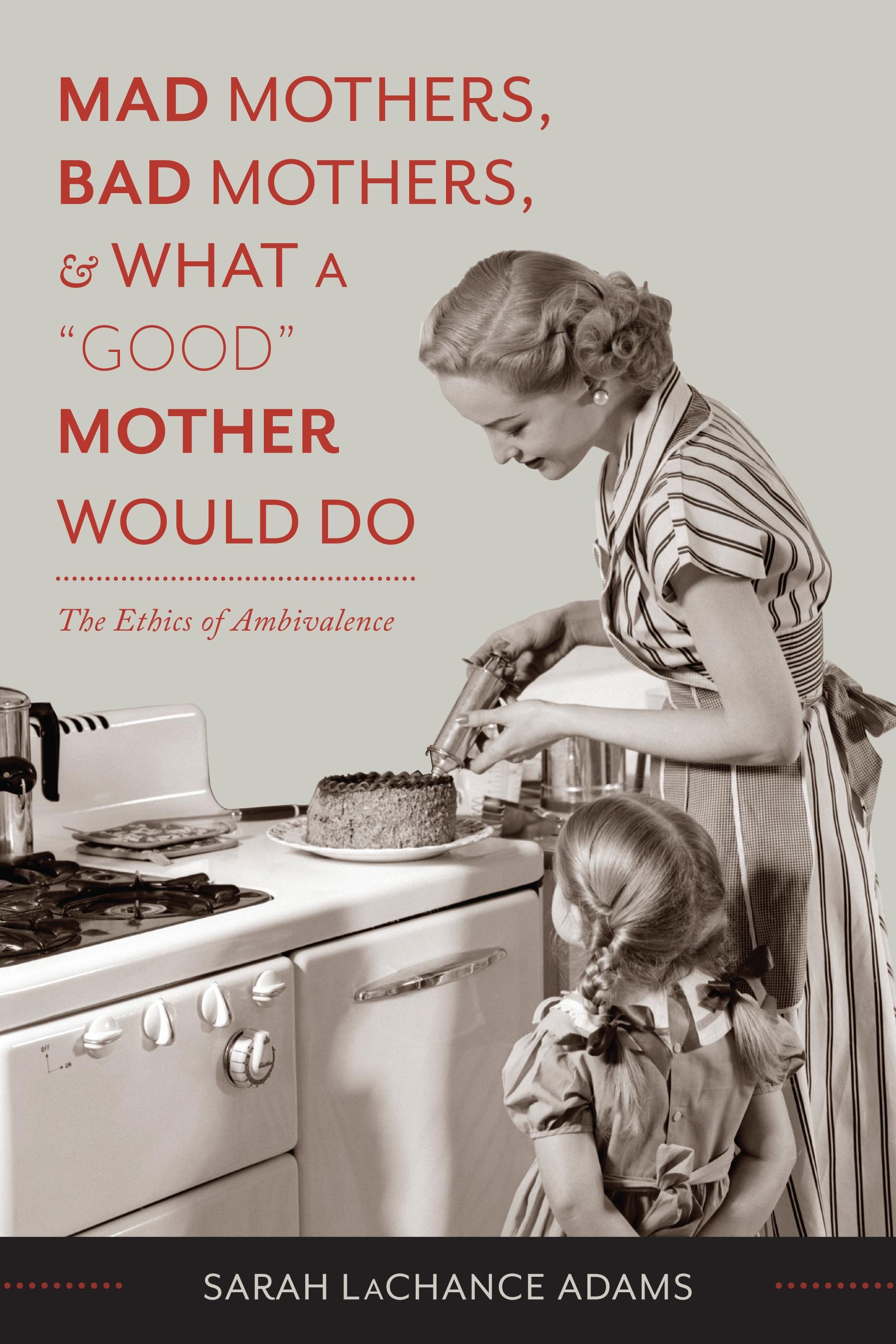
When a mother kills her child, we call her a bad mother, but, as this book shows, even mothers who intend to do their children harm are not easily categorized as "mad" or "bad." Maternal love is a complex emotion rich with contradictory impulses and desires, and motherhood is a conflicted state in which women constantly renegotiate the needs mother and child, the self and the other.
Applying care ethics philosophy and the work of Emmanuel Levinas, Maurice Merleau-Ponty, and Simone de Beauvoir to real-world experiences of motherhood, Sarah LaChance Adams throws the inherent tensions of motherhood into sharp relief, drawing a more nuanced portrait of the mother and child relationship than previously conceived. The maternal example is particularly instructive for ethical theory, highlighting the dynamics of human interdependence while also affirming separate interests. LaChance Adams particularly focuses on maternal ambivalence and its morally productive role in reinforcing the divergence between oneself and others, helping to recognize the particularities of situation, and negotiating the difference between one's own needs and the desires of others. She ultimately argues maternal filicide is a social problem requiring a collective solution that ethical philosophy and philosophies of care can inform.
Paga facilmente con carta, Klarna, Apple Pay o Google Pay. Non sei soddisfatto? Hai sempre 14 giorni per il rimborso. Leggi di più nei nostri termini. Per qualsiasi domanda, scrivici a hello@memmo.org.
Memmo rende lo studio più facile, ovunque tu sia nel mondo. Qui trovi i tuoi libri di testo e strumenti di studio intelligenti, tutto in un unico posto: riassunti, quiz, podcast e flashcard. E poi c'è Ted, il tuo compagno di studio che risponde a ogni tua domanda. Oltre 50.000 studenti studiano già qui: è stato creato per aiutarti a imparare più velocemente e a stressarti meno.