
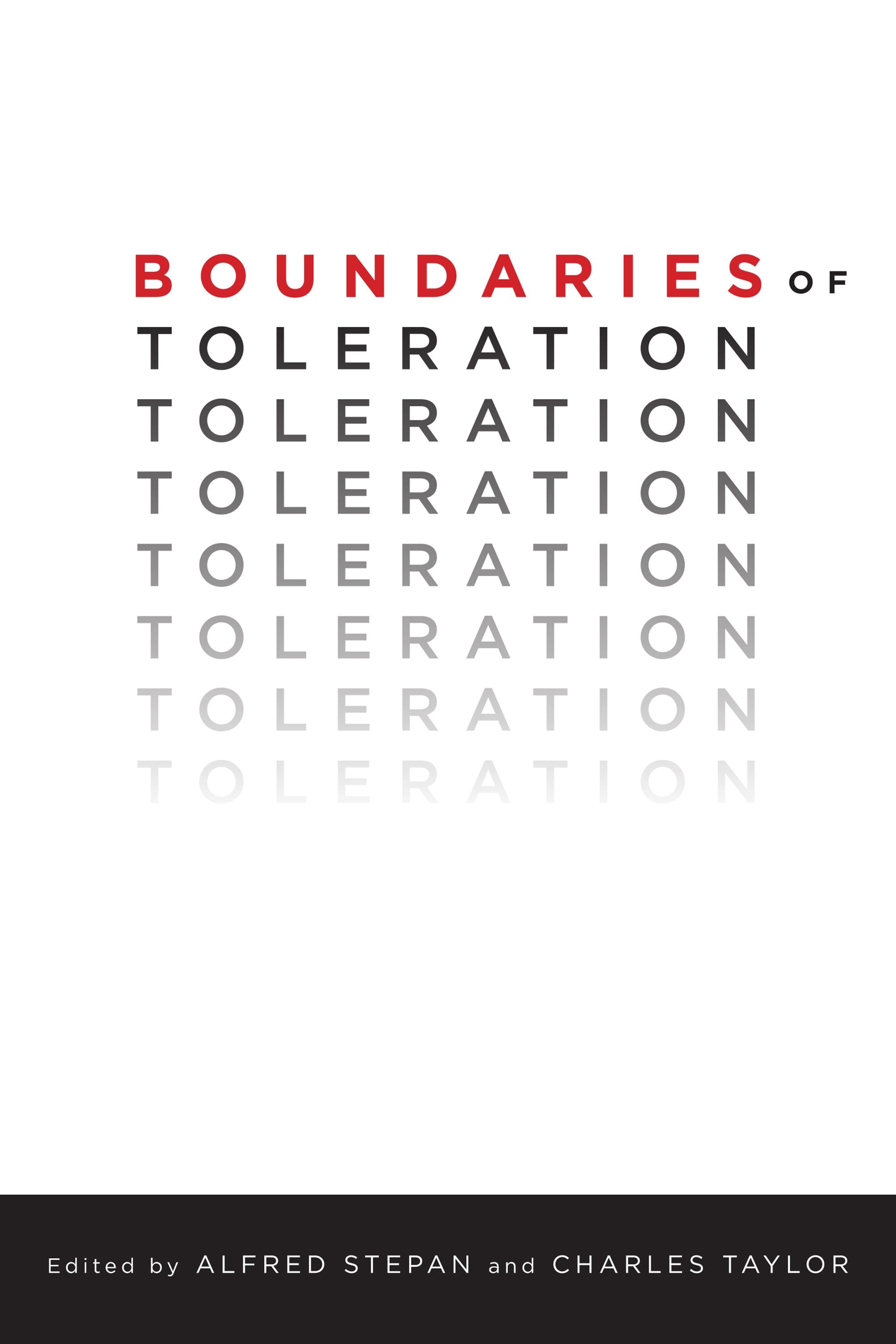
How can people of diverse religious, ethnic, and linguistic allegiances and identities live together without committing violence, inflicting suffering, or oppressing each other? In this volume, contributors explore the limits of toleration and suggest we think beyond them to mutual respect. Salman Rushdie reflects on the once tolerant Sufi-Hindu culture of Kashmir. Ira Katznelson follows with an intellectual history of toleration as a layered institution in the West. Charles Taylor advances a new approach to secularism in our multicultural world, and Akeel Bilgrami responds by offering context and caution to that approach. Nadia Urbinati explores why Cicero's humanist ideal of Concord was not used in response to religious discord. The volume concludes with a refutation of the claim that toleration was invented in the West. Rajeev Bhargava writes on Asoka's India, and Karen Barkey explores toleration within the Ottoman and Habsburg Empires. Sudipta Kaviraj examines accommodations and conflicts in India, and Alfred Stepan highlights contributions to toleration and multiple democratic secularisms in such Muslim-majority countries as Indonesia and Senegal.
Paga facilmente con carta, Klarna, Apple Pay o Google Pay. Non sei soddisfatto? Hai sempre 14 giorni per il rimborso. Leggi di più nei nostri termini. Per qualsiasi domanda, scrivici a hello@memmo.org.
Memmo rende lo studio più facile, ovunque tu sia nel mondo. Qui trovi i tuoi libri di testo e strumenti di studio intelligenti, tutto in un unico posto: riassunti, quiz, podcast e flashcard. E poi c'è Ted, il tuo compagno di studio che risponde a ogni tua domanda. Oltre 50.000 studenti studiano già qui: è stato creato per aiutarti a imparare più velocemente e a stressarti meno.
Potrebbe interessarti anche
Acquista il libro0