
Foreword
My name is Greg Williams and I am person in long-term recovery from addiction to alcohol and other drugs since age seventeen. My recovery was “established” in 2001. As a result of my personal freedom from addiction, not only have I stayed alive in the face of the most deadly health problem facing young people in America today, but I have thrived. I have been blessed with incredible opportunities to learn, chase dreams, and live a life full of purpose.
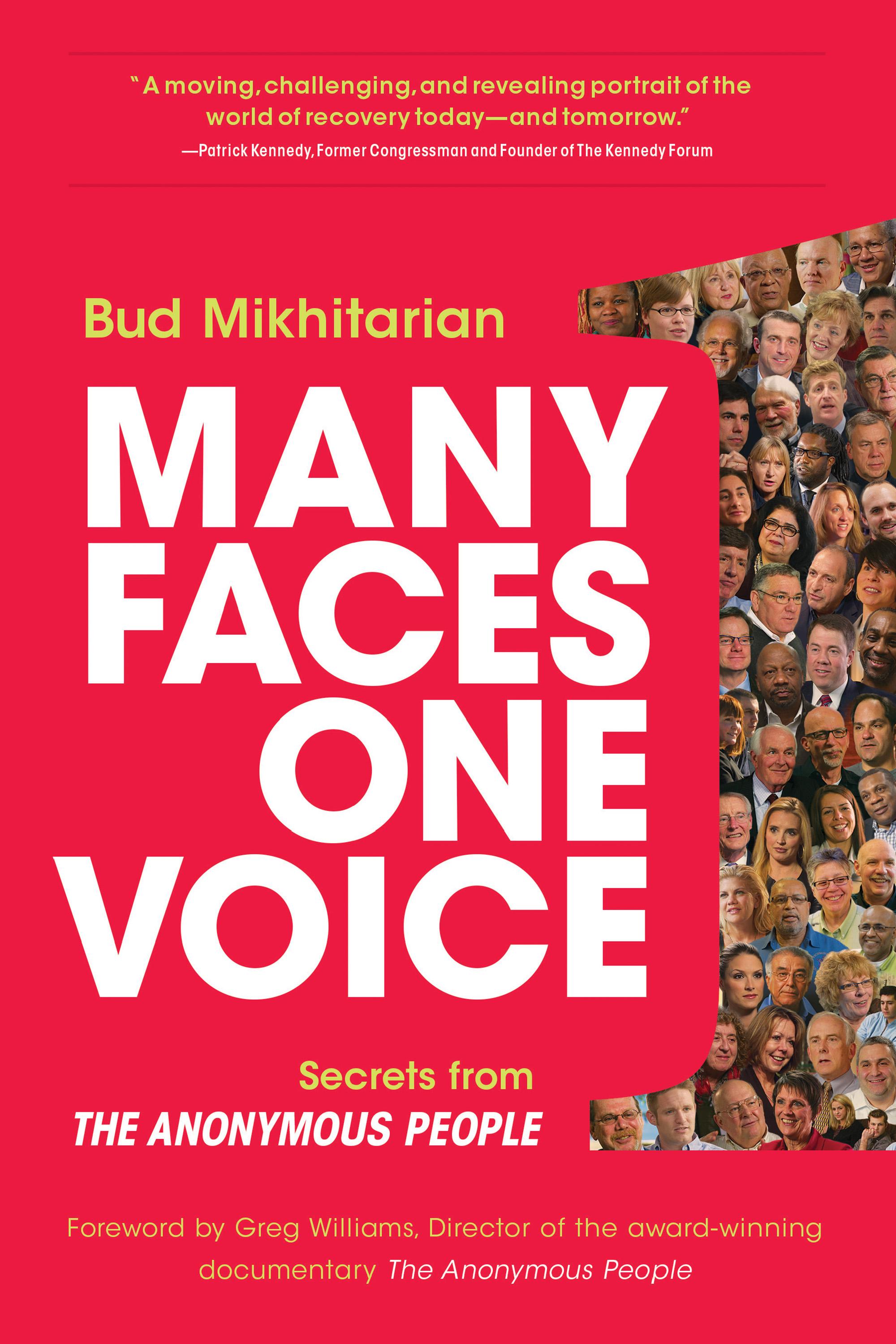
The Anonymous People became one of my dreams fulfilled and it continues to live on with purpose, thanks to the support and collaboration of many talented and resourceful people. One of those was Bud Mikhitarian. As the man behind the sound recording for every interview we conducted across the country, and as a person not in long-term recovery, Bud is the only person on the planet who could write a book about the making of the film with such depth and perspective.
Words cannot adequately express my deep gratitude to Bud, not only for his initiative and hard work putting this book together, but also for his incredible talent as a storyteller. I hope that when people see The Anonymous People and read this book, they will connect with the powerful stories we have captured and share these stories with others.
We must keep shining a light on what recovery gives back to our communities. We must keep pushing the agenda of the new recovery advocacy movement forward.
Sadly, more than four decades after the groundbreaking United States Senate hearings of 1969 hosted by Senator Harold Hughes, where Academy Award-winning actress Mercedes McCambridge and co-founder of Alcoholics Anonymous, Bill Wilson—both in long-term recovery—spoke candidly to our national elected representatives about the public stigmatization of alcoholics, discrimination still persists. People with addiction are still blamed and shamed by their so-called moral weaknesses.
The Anonymous People—and now this book—aim to be a part of the solution that erodes a bit of this perpetual, insidious stigma. People in recovery from addiction, our families, and allies have a duty to respond to the ignorance, prejudice, and injustice that continue to pervade our culture. Lives depend on it. In spite of a broken system and failed community response, many of us have been given the gift of recovery and that can have profound cultural, political, healthcare, criminal justice, and economic implications.
Bill White says, “We will shape the future of recovery with a detached silence or with a passionate voice.”
The voices of recovery come from people of many different colors, ages, and backgrounds, but our message is pretty simple. We are a group of people who have battled (individually or collectively) and survived arguably the most devastating health problem of our time and now live dynamic, productive lives just like people who are managing diabetes, heart disease, or cancer.
Too few people are aware that through recovery more than twenty-three million of us have gotten well, families have been reunited, and our communities have been the ultimate beneficiary. Congress does not believe we exist in such significant numbers (yet), and the media continues to ignore this giant facet of the addiction story. It is our duty to share our stories with a unified message to a new audience so that future generations can live free from the greatest barriers to recovery—stigma, shame, and discrimination.
No matter how addiction has touched your life, I invite you read the inspiring stories in this book and to consider becoming one of the many faces sharing your own story in harmony with a growing chorus of revolutionaries.
Greg Williams, Director of The Anonymous People
Maksa helposti kortilla, Klarnalla, Apple Paylla tai Google Paylla. Etkö ole tyytyväinen? Sinulla on aina 14 päivän palautusoikeus. Lue lisää ehdoistamme. Jos sinulla on kysyttävää, lähetä meille sähköpostia osoitteeseen hello@memmo.org.
Memmo tekee opiskelusta helpompaa – missä päin maailmaa ikinä oletkin. Meillä yhdistät kurssikirjat ja fiksut opiskelutyökalut yhteen paikkaan: tiivistelmät, visat, podcastit ja muistikortit. Ja sitten Ted, opiskelukaverisi, joka vastaa kaikkeen, mitä ikinä mietitkin. Yli 50 000 opiskelijaa opiskelee jo täällä – rakennettu auttamaan sinua oppimaan nopeammin ja stressaamaan vähemmän.
Saatat pitää myös näistä
Osta kirja0