
Ennen Memmoa muistiinpanoni olivat hajallaan PDF-tiedostoissa. Nyt työtila kokoaa kaiken yhteen – näen tarkalleen, mitä on vielä opiskeltavana.
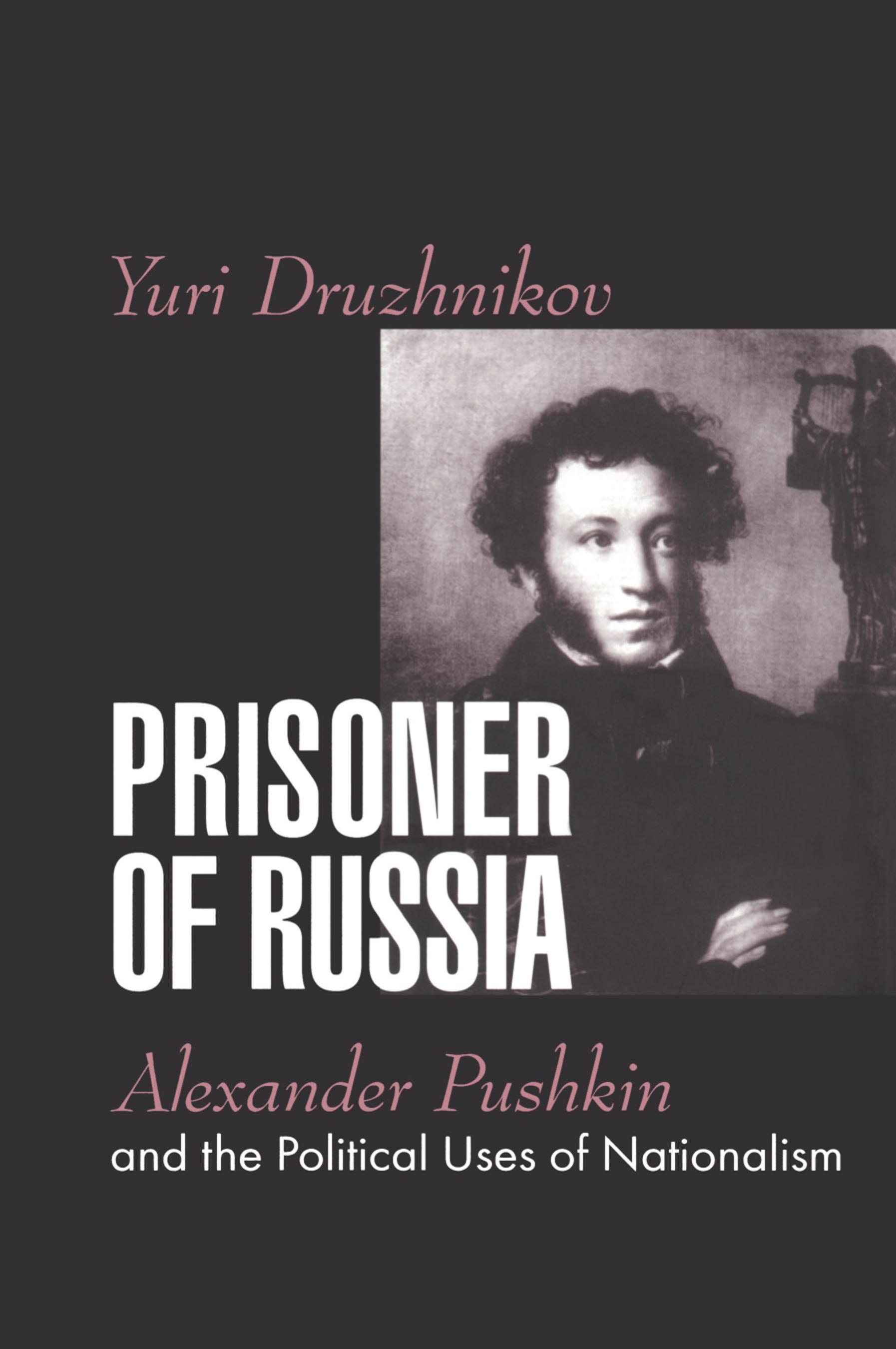
As the central figure in Russian literature, Alexander Pushkin (1799u1837) has been claimed by nearly every political faction, right and left, in Russian cultural politics over the past two centuries, culminating in his official canonization under the Soviet regime. In Prisoner of Russia, Yuri Druzhnikov analyzes the distortions and misrepresentations of Pushkin's cultural appropriation by focusing on Pushkin's attempts at emigration and his attitudes toward Russia and Western Europe.Druzhnikov's semi-biographical narrative concentrates on Pushkin's attempts to leave Russia after his graduation from the Lyceum, through his period of exile, until his early death in a duel in 1837. The matter of emigration from Russia was a politically charged issue well before 1917; witness the hostile reception of all of Turgenev's novels from Fathers and Sons on. The emigrU artist's cultural context is often used to assess his authenticity and stature as seen in the Western examples of Henry James, T.S. Eliot, or James Joyce. Druzhnikov sharply criticizes the omnipresent and reductive tendency in Russia (and the West) to define Russian cultural figures in terms of absolute essences and ideologies and to ignore the ambivalences that in fact help to define a writer's singularity. In the larger view, he argues, it is these that explain the variety and complexity of Russian culture.Druzhnikov's multidisciplinary approach combines literary and political history, with critical commentary arranged in chronological sequence. His interpretive apparatus ranges widely through nineteenth- and twentieth-century history, and provides the necessary intellectual context for nonspecialist readers. He also avoids the massive accumulation of trivial detail characteristic of so much Pushkinology. This accessible, valuable exercise in cultural history will be of interest to Slavic scholars and students, cultural historians, and general readers interested in Russian literature and culture.
Ennen Memmoa muistiinpanoni olivat hajallaan PDF-tiedostoissa. Nyt työtila kokoaa kaiken yhteen – näen tarkalleen, mitä on vielä opiskeltavana.
Memmon yhteenvedot ovat kultaa ennen kokeita. Minun ei tarvitse lukea 800 sivua uudelleen kaksi viikkoa ennen – vain tärkeimmät osat.
AI-chat on pelastanut minut useammin kuin kerran tenttiä edeltävänä iltana. Kysyn vain, kunnes ymmärrän – ilman, että tarvitsee odottaa opiskeluryhmän vastausta.
Visat osuvat juuri siihen, mitä minun tarvitsee tietää. Memmo seuraa, mihin jään jumiin – joten harjoittelen vain sitä, mikä on sen arvoista.
Muistikortit toistuvalla harjoittelulla ovat taikaa. Memmo tietää, milloin olen unohtamassa jotain, ja tuo sen takaisin.
AI-podcastit ovat suosikkini. Kuuntelen niitä matkalla kouluun ja saan kertauksen ilman, että tarvitsee istua tietokoneen ääressä.

Handbok i kvalitativa metoder
281 kr

Hållbar utveckling: en introduktion för ingenjörer och andra problemlösare
334 kr

Brymans Samhällsvetenskapliga metoder
390 kr

Projektledning
491 kr

Den orättvisa hälsan: om socioekonomiska skillnader i hälsa och livslängd
326 kr

Organizational Leadership
429 kr

Vetenskapsteori för nybörjare
196 kr

På väg mot läraryrket
172 kr

Det sociala livet i skolan: Socialpsykologiska perspektiv
253 kr

Betygsättningens didaktik
151 kr

Personality
402 kr

Studying Leadership
404 kr

Managing Innovation
477 kr

Introduktion till samhällsvetenskaplig metod
347 kr

The Psychology of Sex and Gender
698 kr

Introduction to Leadership
605 kr

Evidens och kunskap för socialt arbete
207 kr