
Ennen Memmoa muistiinpanoni olivat hajallaan PDF-tiedostoissa. Nyt työtila kokoaa kaiken yhteen – näen tarkalleen, mitä on vielä opiskeltavana.
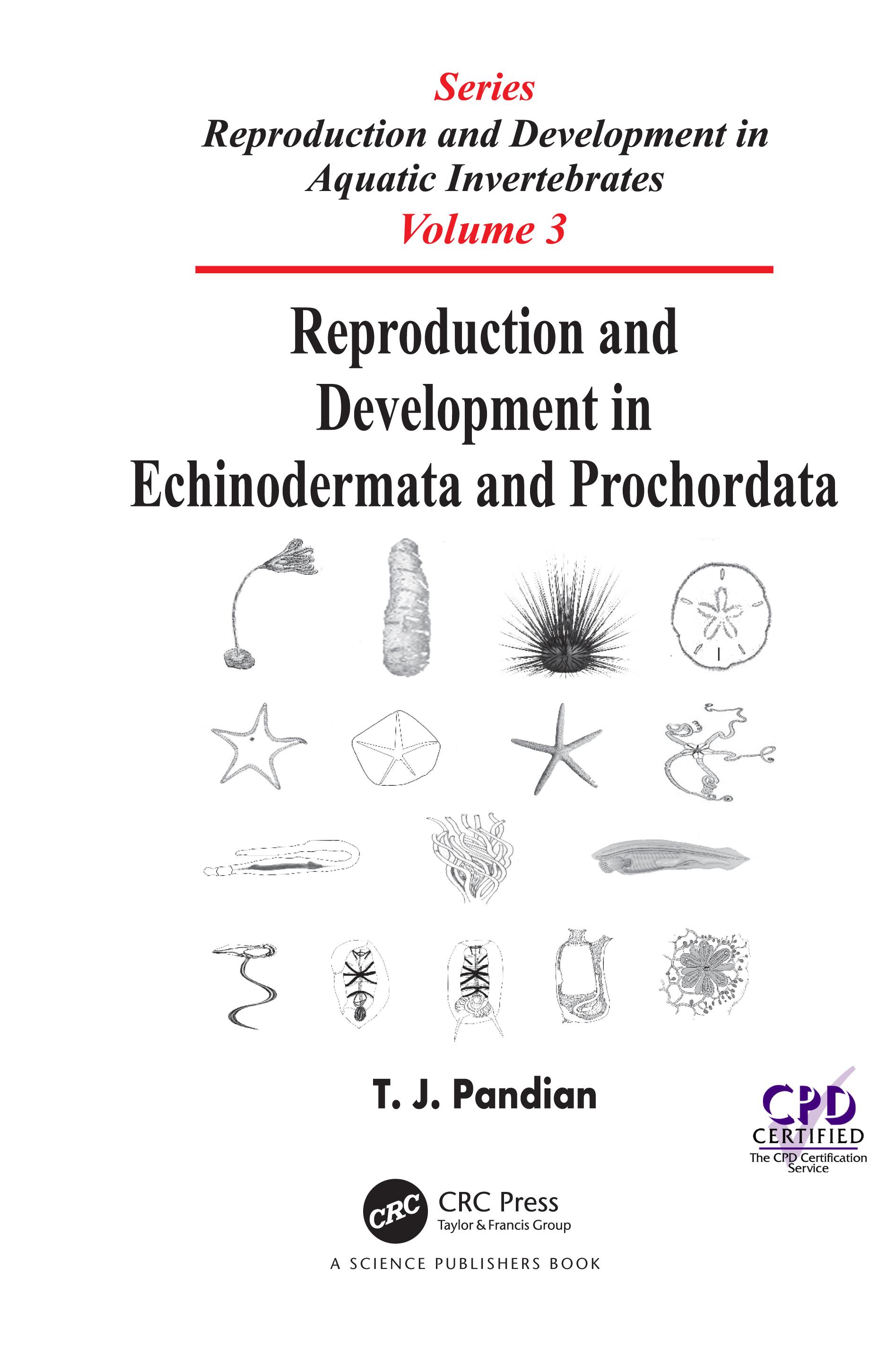
Echinoderms and prochordates occupy a key position in vertebrate evolution. The genomes of sea urchin share 70% homology with humans. Researches on cell cycle in sea urchin and phagocytosis in asteroids have fetched Nobel Prizes. In this context, this book assumes immense importance. Echinoderms are unique, as their symmetry is bilateral in larvae but pentamerous radial in adults. The latter has eliminated the development of an anterior head and bilateral appendages. Further, the obligate need to face the substratum for locomotion and acquisition of food has eliminated their planktonic and nektonic existence. Egg size, a decisive factor in recruitment, increases with decreasing depths up to 2,000-5,000 m in lecithotrophic asteroids and ophiuroids but remains constant in their planktotrophics. Smaller (< 18 mm) ophiuroids do not produce a lecithotrophic eggs but larger (> 110 mm) asteroids generate planktotrophic eggs only. Publications on sex ratio of echinoderms indicate the genetic determination of sex at fertilization but those on hybridization, karyotype and ploidy induction do not provide evidence for heterogametism. But the herbivorous echinoids and larvacea with their gonads harboring both germ cells and Nutritive Phagocytes (NPs) have economized the transportation and hormonal costs on gonadal function. Despite the amazing potential just 2 and 3% of echinoderms undergo clonal reproduction and regeneration, respectively. Fission is triggered, when adequate reserve nutrients are accumulated. It is the most prevalent mode of clonal reproduction in holothuroids, asteroids and ophiuroids. However, budding is a more prevalent mode of clonal reproduction in colonial hemichordates and urochordates. In echinoderms, fission and budding eliminate each other. Similarly, autoregulation of early development eliminates clonal reproduction in echinoids and solitary urochordates. In pterobranchs, thaliaceans and ascidians, the repeated and rapid budding leads to colonial formation. Coloniality imposes reductions in species number and body size, generation time and life span, gonad number and fecundity as well as switching from gonochorism to simultaneous hermaphorditism and oviparity to ovoviviparity/viviparity.
Ennen Memmoa muistiinpanoni olivat hajallaan PDF-tiedostoissa. Nyt työtila kokoaa kaiken yhteen – näen tarkalleen, mitä on vielä opiskeltavana.
Memmon yhteenvedot ovat kultaa ennen kokeita. Minun ei tarvitse lukea 800 sivua uudelleen kaksi viikkoa ennen – vain tärkeimmät osat.
AI-chat on pelastanut minut useammin kuin kerran tenttiä edeltävänä iltana. Kysyn vain, kunnes ymmärrän – ilman, että tarvitsee odottaa opiskeluryhmän vastausta.
Visat osuvat juuri siihen, mitä minun tarvitsee tietää. Memmo seuraa, mihin jään jumiin – joten harjoittelen vain sitä, mikä on sen arvoista.
Muistikortit toistuvalla harjoittelulla ovat taikaa. Memmo tietää, milloin olen unohtamassa jotain, ja tuo sen takaisin.
AI-podcastit ovat suosikkini. Kuuntelen niitä matkalla kouluun ja saan kertauksen ilman, että tarvitsee istua tietokoneen ääressä.

Handbok i kvalitativa metoder
281 kr

Hållbar utveckling: en introduktion för ingenjörer och andra problemlösare
334 kr

Brymans Samhällsvetenskapliga metoder
390 kr

Projektledning
491 kr

Den orättvisa hälsan: om socioekonomiska skillnader i hälsa och livslängd
326 kr

Organizational Leadership
429 kr

Vetenskapsteori för nybörjare
196 kr

På väg mot läraryrket
172 kr

Det sociala livet i skolan: Socialpsykologiska perspektiv
253 kr

Betygsättningens didaktik
151 kr

Personality
402 kr

Studying Leadership
404 kr

Managing Innovation
477 kr

Introduktion till samhällsvetenskaplig metod
347 kr

The Psychology of Sex and Gender
698 kr

Introduction to Leadership
605 kr

Evidens och kunskap för socialt arbete
207 kr