
Before Memmo my notes were scattered across PDFs. Now a workspace pulls everything into one place — I see exactly what's still left to study.
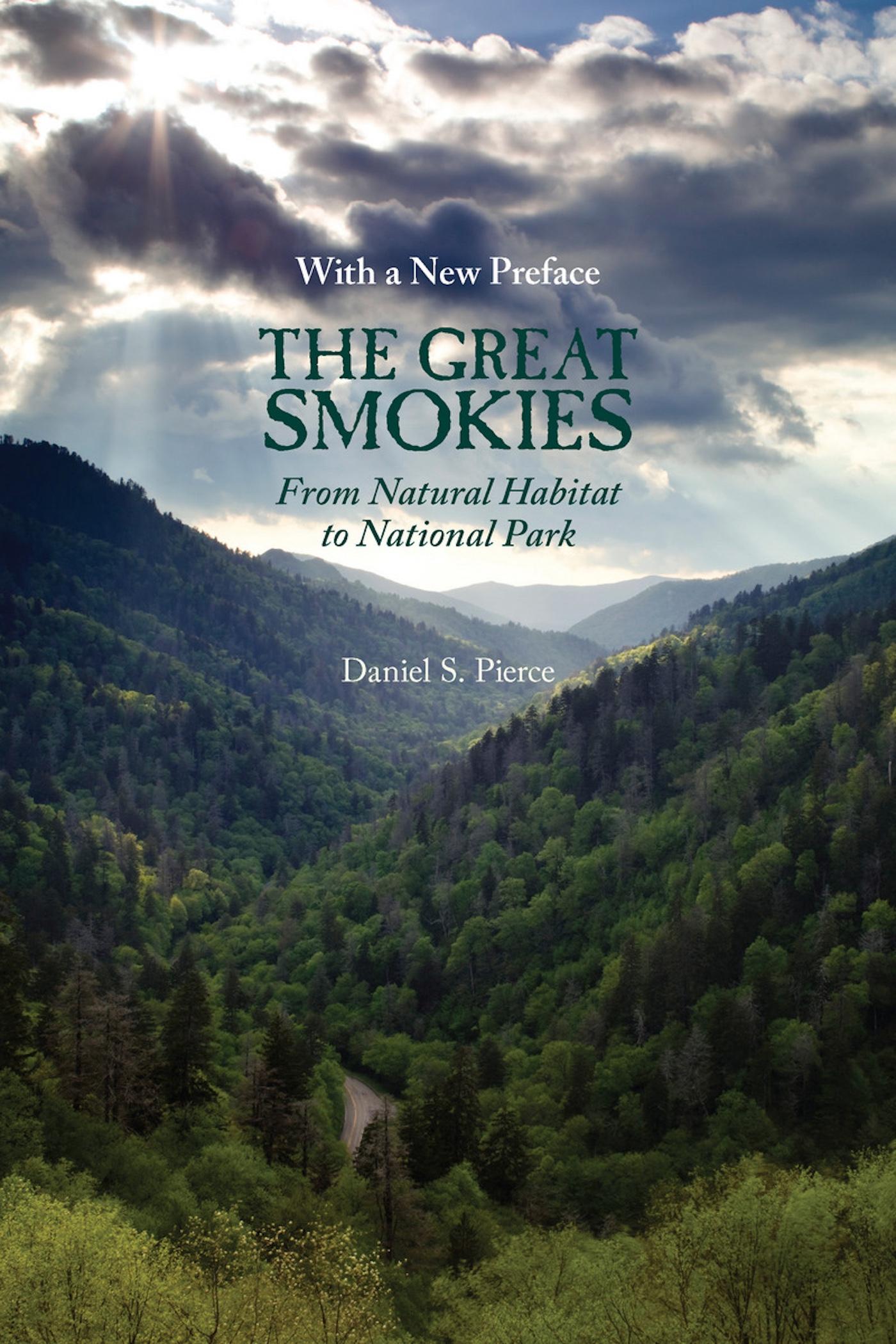
Seeking a taste of unspoiled wilderness, more than eight million people visit the Great Smoky Mountains National Park each year. Yet few probably realize what makes the park unusual: it was the result of efforts to reclaim wilderness rather than to protect undeveloped land.
The Smokies have, in fact, been a human habitat for 8,000 years, and that contact has molded the landscape as surely as natural forces have. In this book, Daniel S. Pierce examines land use in the Smokies over the centuries, describing the pageant of peoples who have inhabited these mountains and then focusing on the twentieth-century movement to create a national park.
Drawing on previously unexplored archival materials, Pierce presents the most balanced account available of the development of the park. He tells how park supporters set about raising money to buy the land—often from resistant timber companies—and describes the fierce infighting between wilderness advocates and tourism boosters over the shape the park would take. He also discloses the unfortunate human cost of the park’s creation: the displacement of the area’s inhabitants.
Pierce is especially insightful regarding the often-neglected history of the park since 1945. He looks at the problems caused by roadbuilding, tree blight, and air pollution that becomes trapped in the mountains’ natural haze. He also provides astute assessments of the Cades Cove restoration, the Fontana Lake road construction, and other recent developments involving the park.
Full of outstanding photographs and boasting a breadth of coverage unmatched in other books of its kind, The Great Smokies will help visitors better appreciate the wilderness experience they have sought. Pierce’s account makes us more aware of humanity’s long interaction with the land while capturing the spirit of those idealistic environmentalists who realized their vision to protect it.
Before Memmo my notes were scattered across PDFs. Now a workspace pulls everything into one place — I see exactly what's still left to study.
Memmo's summaries are gold before exams. I don't have to re-read 800 pages two weeks before — just the important parts.
The AI chat has saved me the night before an exam more than once. I just keep asking until I get it — no waiting on a study group to reply.
The quizzes hit exactly what I need to know. Memmo tracks what I get stuck on — so I only practice what's worth it.
Flashcards with spaced repetition are magic. Memmo knows when I'm about to forget something and brings it back.
The AI podcasts are my favorite. I listen on my way to school and get a recap without sitting at a computer.

Handbok i kvalitativa metoder
281 kr

Hållbar utveckling: en introduktion för ingenjörer och andra problemlösare
334 kr

Brymans Samhällsvetenskapliga metoder
390 kr

Projektledning
491 kr

Den orättvisa hälsan: om socioekonomiska skillnader i hälsa och livslängd
326 kr

Organizational Leadership
429 kr

Vetenskapsteori för nybörjare
196 kr

På väg mot läraryrket
172 kr

Det sociala livet i skolan: Socialpsykologiska perspektiv
253 kr

Betygsättningens didaktik
151 kr

Personality
402 kr

Studying Leadership
404 kr

Managing Innovation
477 kr

Introduktion till samhällsvetenskaplig metod
347 kr

The Psychology of Sex and Gender
698 kr

Evidens och kunskap för socialt arbete
207 kr

Introduction to Leadership
605 kr