
Before Memmo my notes were scattered across PDFs. Now a workspace pulls everything into one place — I see exactly what's still left to study.
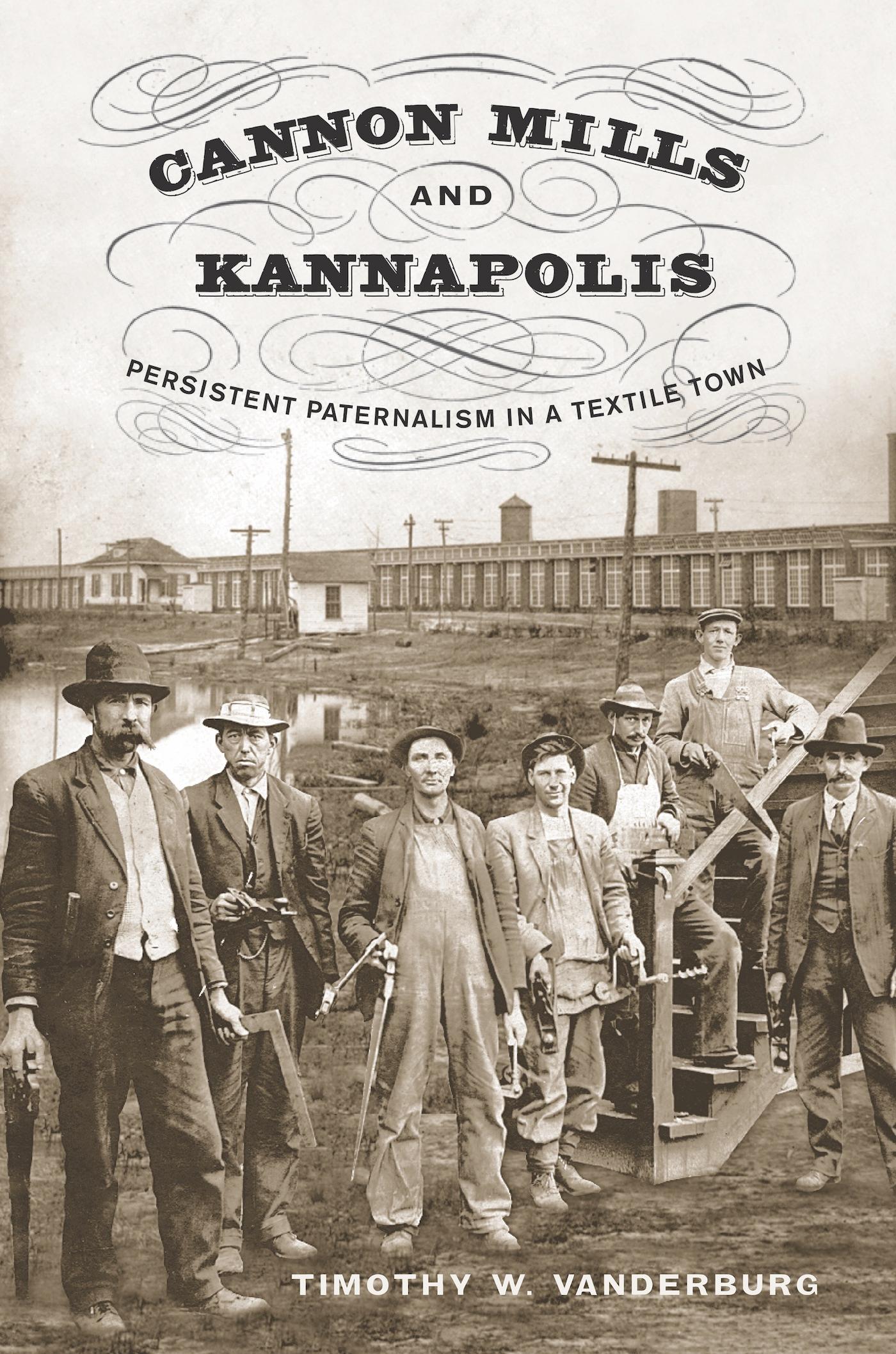
Cannon Mills was once the country’s largest manufacturer of household textiles, and in many ways it exemplified the textile industry and paternalism in the postbellum South. At the same time, however, its particular brand of paternalism was much stronger and more enduring than elsewhere, and it remained in place long after most of the industry had transitioned to modern, bureaucratic management.
In Cannon Mills and Kannapolis, Tim Vanderburg critically examines the rise of the Cannon Mills textile company and the North Carolina community that grew up around it. Beginning with the founding of the company and the establishment of its mill town by James W. Cannon, the author draws on a wealth of primary sources to show how, under Cannon’s paternalism, workers developed a collective identity and for generations accepted the limits this paternalism placed on their freedom. After exploring the growth and maturation of Cannon Mills against the backdrop of World War I and its aftermath, Vanderburg examines the impact of the Great Depression and World War II and then analyzes the postwar market forces that, along with federal policies and unionization, set in motion the industry’s shift from a paternalistic model to bureaucratic authority. The final section of the book traces the decline of paternalism and the eventual decline of Cannon Mills when the death of the founder’s son, Charles Cannon, led to three successive sales of the company. Pillowtex, its final owner, filed for bankruptcy and was liquidated in 2003.
Vanderburg uses Cannon Mills’s intriguing history to help answer some of the larger questions involving industry and paternalism in the postbellum South. Complete with maps and historic photographs, this authoritative, highly readable account of one company and the town it created adds a captivating layer of complexity to our understanding of southern capitalism.
Before Memmo my notes were scattered across PDFs. Now a workspace pulls everything into one place — I see exactly what's still left to study.
Memmo's summaries are gold before exams. I don't have to re-read 800 pages two weeks before — just the important parts.
The AI chat has saved me the night before an exam more than once. I just keep asking until I get it — no waiting on a study group to reply.
The quizzes hit exactly what I need to know. Memmo tracks what I get stuck on — so I only practice what's worth it.
Flashcards with spaced repetition are magic. Memmo knows when I'm about to forget something and brings it back.
The AI podcasts are my favorite. I listen on my way to school and get a recap without sitting at a computer.

Handbok i kvalitativa metoder
281 kr

Hållbar utveckling: en introduktion för ingenjörer och andra problemlösare
334 kr

Brymans Samhällsvetenskapliga metoder
390 kr

Projektledning
491 kr

Den orättvisa hälsan: om socioekonomiska skillnader i hälsa och livslängd
326 kr

Vetenskapsteori för nybörjare
196 kr

Organizational Leadership
429 kr

På väg mot läraryrket
172 kr

Det sociala livet i skolan: Socialpsykologiska perspektiv
253 kr

Betygsättningens didaktik
151 kr

Personality
402 kr

Studying Leadership
404 kr

Managing Innovation
477 kr

Introduktion till samhällsvetenskaplig metod
347 kr

The Psychology of Sex and Gender
698 kr

Evidens och kunskap för socialt arbete
207 kr

Introduction to Leadership
605 kr