
Before Memmo my notes were scattered across PDFs. Now a workspace pulls everything into one place — I see exactly what's still left to study.
Climate destruction is a problem of political power.
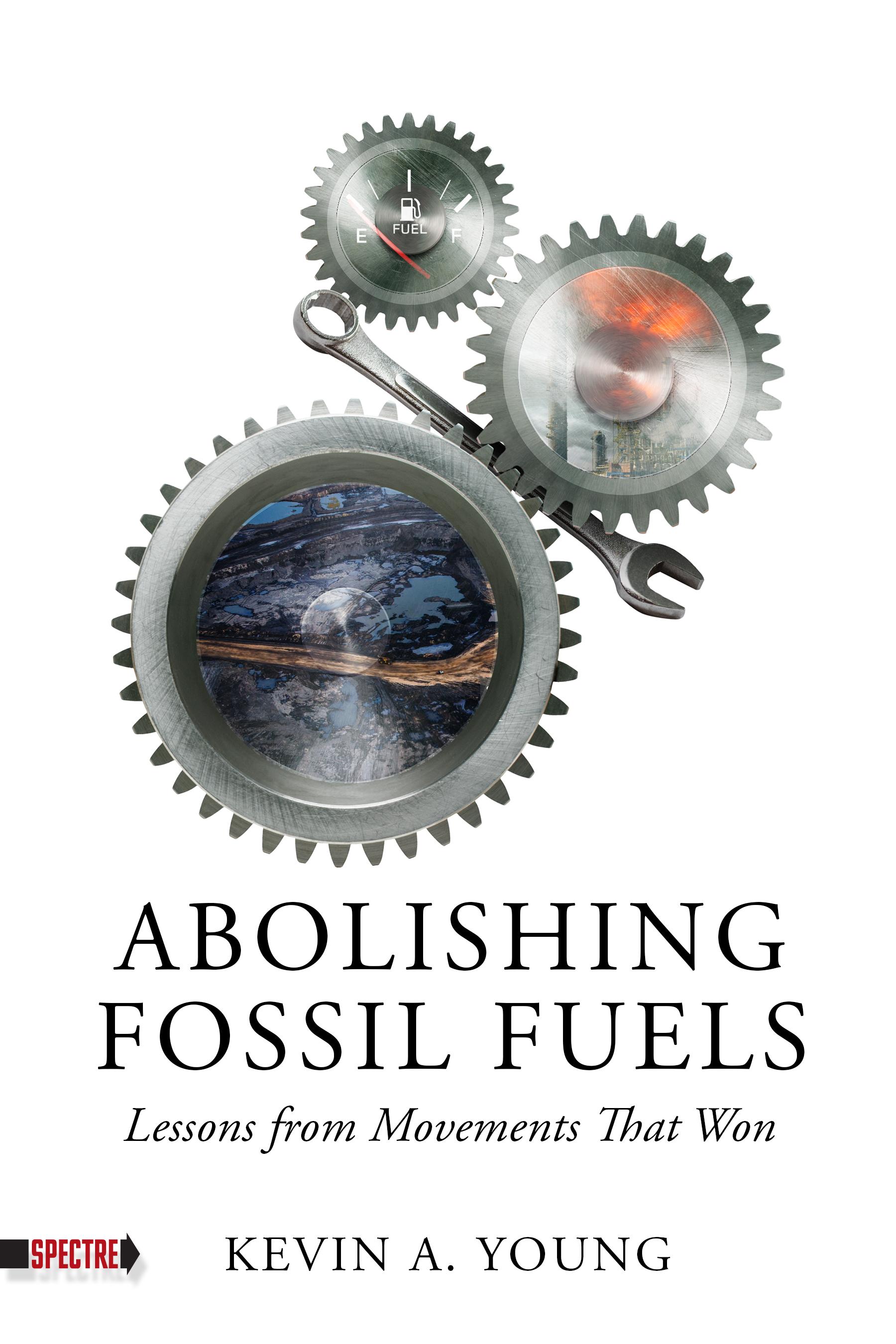
We have the resources for a green transition, but how can we neutralize the influence of Exxon and Shell? Abolishing Fossil Fuels argues that the climate movement has started to turn the tide against fossil fuels, just too gradually. The movement’s partial victories show us how the industry can be further undermined and eventually abolished. Activists have been most successful when they’ve targeted the industry’s enablers: the banks, insurers, and big investors that finance its operations, the companies and universities that purchase fossil fuels, and the regulators and judges who make life-and-death rulings about pipelines, power plants, and drilling sites. This approach has jeopardized investor confidence in fossil fuels, leading the industry to lash out in increasingly desperate ways. The fossil fuel industry’s financial and legal enablers are also its Achilles heel.
The most powerful movements in US history succeeded in similar ways. The book also includes an in-depth analysis of four classic victories: the abolition of slavery, battles for workers’ rights in the 1930s, Black freedom struggles of the 1950s and 1960s, and the fight for clean air. Those movements inflicted costs on economic elites through strikes, boycotts, and other mass disruption. They forced some sectors of the ruling class to confront others, which paved the way for victory. Electing and pressuring politicians was rarely the movements’ primary focus. Rather, gains in the electoral and legislative realms were usually the byproducts of great upsurges in the fields, factories, and streets.
Those historic movements show that it’s very possible to defeat capitalist sectors that may seem invulnerable. They also show us how it can be done. They offer lessons for building a multiracial, working-class climate movement that can win a global green transition that’s both rapid and equitable.
Before Memmo my notes were scattered across PDFs. Now a workspace pulls everything into one place — I see exactly what's still left to study.
Memmo's summaries are gold before exams. I don't have to re-read 800 pages two weeks before — just the important parts.
The AI chat has saved me the night before an exam more than once. I just keep asking until I get it — no waiting on a study group to reply.
The quizzes hit exactly what I need to know. Memmo tracks what I get stuck on — so I only practice what's worth it.
Flashcards with spaced repetition are magic. Memmo knows when I'm about to forget something and brings it back.
The AI podcasts are my favorite. I listen on my way to school and get a recap without sitting at a computer.

Handbok i kvalitativa metoder
281 kr

Hållbar utveckling: en introduktion för ingenjörer och andra problemlösare
334 kr

Brymans Samhällsvetenskapliga metoder
390 kr

Projektledning
491 kr

Den orättvisa hälsan: om socioekonomiska skillnader i hälsa och livslängd
326 kr

Organizational Leadership
429 kr

Vetenskapsteori för nybörjare
196 kr

På väg mot läraryrket
172 kr

Det sociala livet i skolan: Socialpsykologiska perspektiv
253 kr

Betygsättningens didaktik
151 kr

Personality
402 kr

Studying Leadership
404 kr

Managing Innovation
477 kr

Introduktion till samhällsvetenskaplig metod
347 kr

The Psychology of Sex and Gender
698 kr

Evidens och kunskap för socialt arbete
207 kr

Introduction to Leadership
605 kr