
Before Memmo my notes were scattered across PDFs. Now a workspace pulls everything into one place — I see exactly what's still left to study.
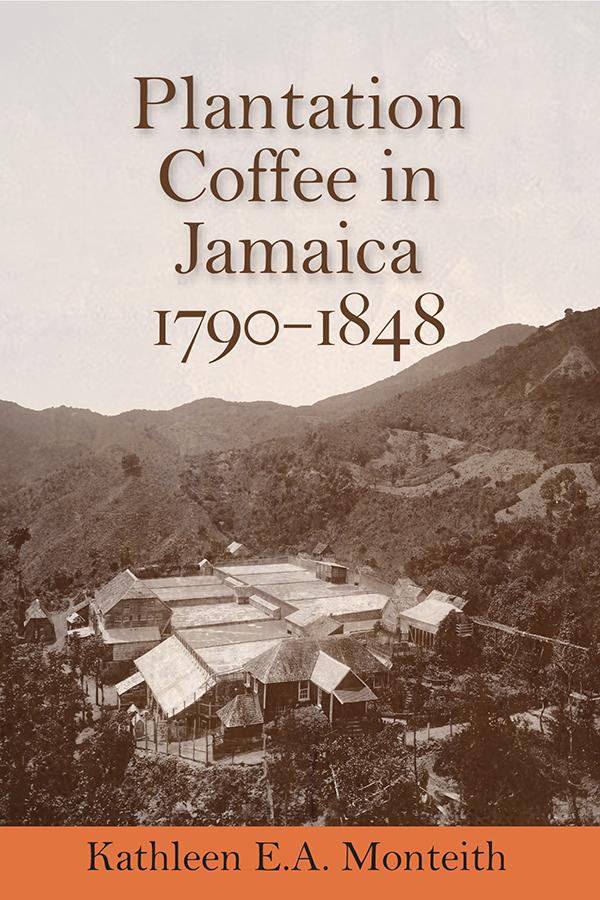
Plantation Coffee in Jamaica, 1790–1848 is the first comprehensive history of the Jamaican coffee industry, covering a period of rapid expansion and decline. The primary objective is to examine the structure and performance of the industry and to demonstrate the extent to which it contributed to the diversity of the Jamaican economy and society in this period. All of this is examined within the context of a period characterized by significant structural shifts in the then emerging global economy.
As a work in economic history, the book is based on solid archival research and econometric analysis. Kathleen E.A. Monteith examines the changing levels of production, trade, productivity, and profitability of the industry and discusses the people involved in the industry, both free and enslaved. A demographic profile of the coffee planters and their familial relationships is established. The work experience of the enslaved men, women and children in the coffee industry, their organization, the nature of their works and their resistance to enslavement are also discussed. The clash of interests between the former enslaved people and coffee planters with respect to labour availability in the industry in the immediate post-slavery period are discussed also. Throughout the book, wherever possible, comparisons are made with other sectors of the Jamaican economy, especially with the sugar industry. Differences are explained in terms of environment, scale and the nature of production.
Plantation Coffee in Jamaica, 1790–1848 contributes fresh material and interrogates data in systematic ways not previously undertaken by scholars in this area. Strikingly original are the sections dealing with the backgrounds of the coffee planters, drawing on sources only recently available for exploitation, notably the Legacies of British Slave-Ownership database, family history and genealogical websites, and the sections dealing with profitability. This book compares well with other works in Caribbean history published at this level of scholarship. It has no immediate rivals in its specific field.
Before Memmo my notes were scattered across PDFs. Now a workspace pulls everything into one place — I see exactly what's still left to study.
Memmo's summaries are gold before exams. I don't have to re-read 800 pages two weeks before — just the important parts.
The AI chat has saved me the night before an exam more than once. I just keep asking until I get it — no waiting on a study group to reply.
The quizzes hit exactly what I need to know. Memmo tracks what I get stuck on — so I only practice what's worth it.
Flashcards with spaced repetition are magic. Memmo knows when I'm about to forget something and brings it back.
The AI podcasts are my favorite. I listen on my way to school and get a recap without sitting at a computer.

Handbok i kvalitativa metoder
281 kr

Hållbar utveckling: en introduktion för ingenjörer och andra problemlösare
334 kr

Brymans Samhällsvetenskapliga metoder
390 kr

Projektledning
491 kr

Den orättvisa hälsan: om socioekonomiska skillnader i hälsa och livslängd
326 kr

Vetenskapsteori för nybörjare
196 kr

Organizational Leadership
429 kr

På väg mot läraryrket
172 kr

Det sociala livet i skolan: Socialpsykologiska perspektiv
253 kr

Betygsättningens didaktik
151 kr

Personality
402 kr

Studying Leadership
404 kr

Managing Innovation
477 kr

Introduktion till samhällsvetenskaplig metod
347 kr

The Psychology of Sex and Gender
698 kr

Evidens och kunskap för socialt arbete
207 kr

Introduction to Leadership
605 kr