
Before Memmo my notes were scattered across PDFs. Now a workspace pulls everything into one place — I see exactly what's still left to study.
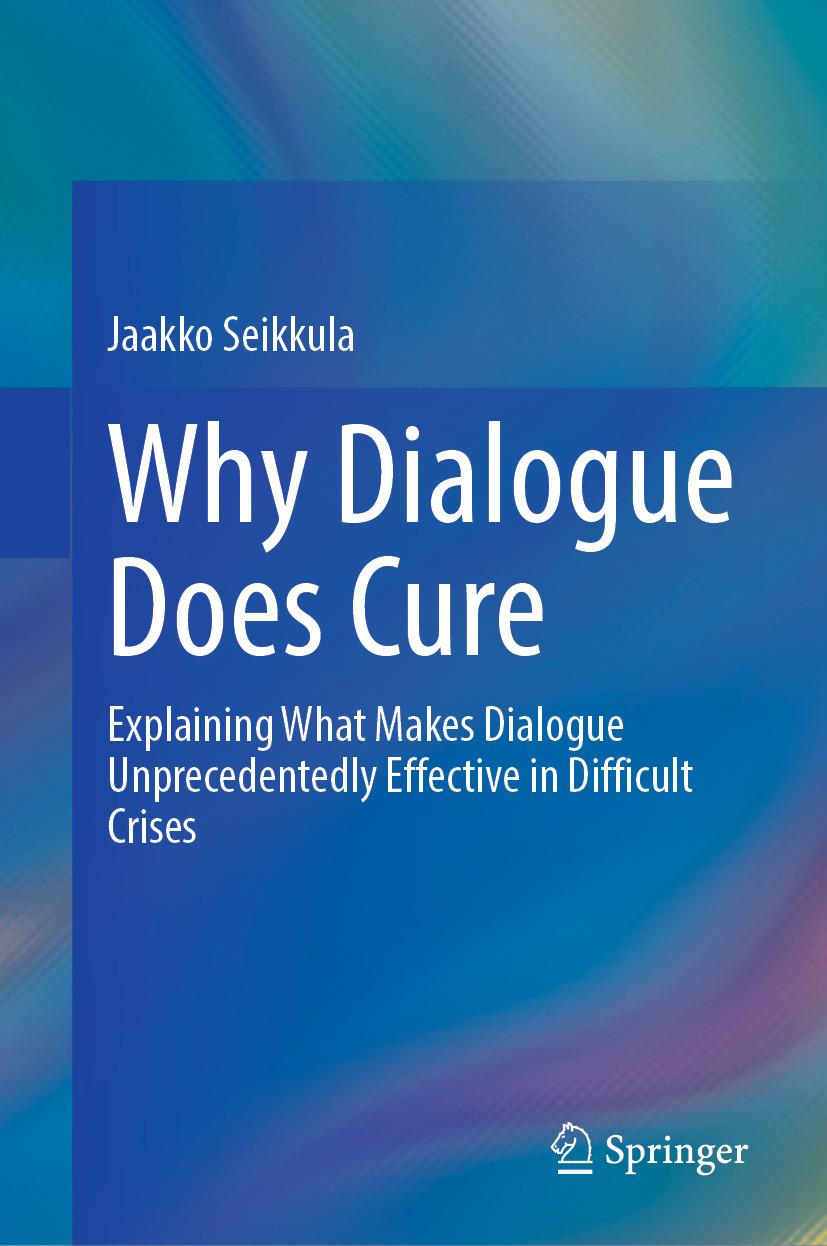
This book presents the core elements of Open Dialogue – an innovative system of mental health care initially developed in Western Lapland, Finland, and spread into about 40 countries – and explains why dialogic practice can be so effective in the treatment of difficult mental health crises. As Dr. Seikkula explains in this book, Open Dialogue is both a way of organizing psychiatric care and a form of dialogic psychotherapy. The basic idea behind Open Dialogue is that discussions with the client seeking help, their family and other social networks are open to all. Nothing about the client's care is discussed without his or her presence. In addition, the basic idea of Open Dialogue is that clinicians work together as a team, participating in all the therapy meetings where the problems that led to the client's need for help are discussed.
Over the last couple of decades, the distance between the humanistic dialogical approach and conventional treatment has only increased. So, the aim of this book is to shorten this distance by describing in a concise way why dialogic practice can be so effective to treat challenging mental health conditions, such as psychosis. Dr. Seikkula explains why in dialogic practice it is possible to achieve a recovery that cannot be imagined in conventional psychiatry. In other words: why dialogue does cure.
Why Dialogue Does Cure: Explaining What Makes Dialogue Unprecedentedly Effective in Difficult Crises will be a mandatory reference for clinical psychologists, psychiatrists, psychotherapists, occupational therapists, mental health nurses, social workers and all mental health professionals interested in learning about the nuts and bolts of the Open Dialogue approach and adopting a system of care that does not focus on eliminating the symptoms of the one in need for help, but on meeting the full human.
Before Memmo my notes were scattered across PDFs. Now a workspace pulls everything into one place — I see exactly what's still left to study.
Memmo's summaries are gold before exams. I don't have to re-read 800 pages two weeks before — just the important parts.
The AI chat has saved me the night before an exam more than once. I just keep asking until I get it — no waiting on a study group to reply.
The quizzes hit exactly what I need to know. Memmo tracks what I get stuck on — so I only practice what's worth it.
Flashcards with spaced repetition are magic. Memmo knows when I'm about to forget something and brings it back.
The AI podcasts are my favorite. I listen on my way to school and get a recap without sitting at a computer.

Handbok i kvalitativa metoder
281 kr

Hållbar utveckling: en introduktion för ingenjörer och andra problemlösare
334 kr

Brymans Samhällsvetenskapliga metoder
390 kr

Projektledning
491 kr

Den orättvisa hälsan: om socioekonomiska skillnader i hälsa och livslängd
326 kr

Organizational Leadership
429 kr

Vetenskapsteori för nybörjare
196 kr

På väg mot läraryrket
172 kr

Det sociala livet i skolan: Socialpsykologiska perspektiv
253 kr

Betygsättningens didaktik
151 kr

Personality
402 kr

Studying Leadership
404 kr

Managing Innovation
477 kr

Introduktion till samhällsvetenskaplig metod
347 kr

The Psychology of Sex and Gender
698 kr

Evidens och kunskap för socialt arbete
207 kr

Introduction to Leadership
605 kr