
Before Memmo my notes were scattered across PDFs. Now a workspace pulls everything into one place — I see exactly what's still left to study.
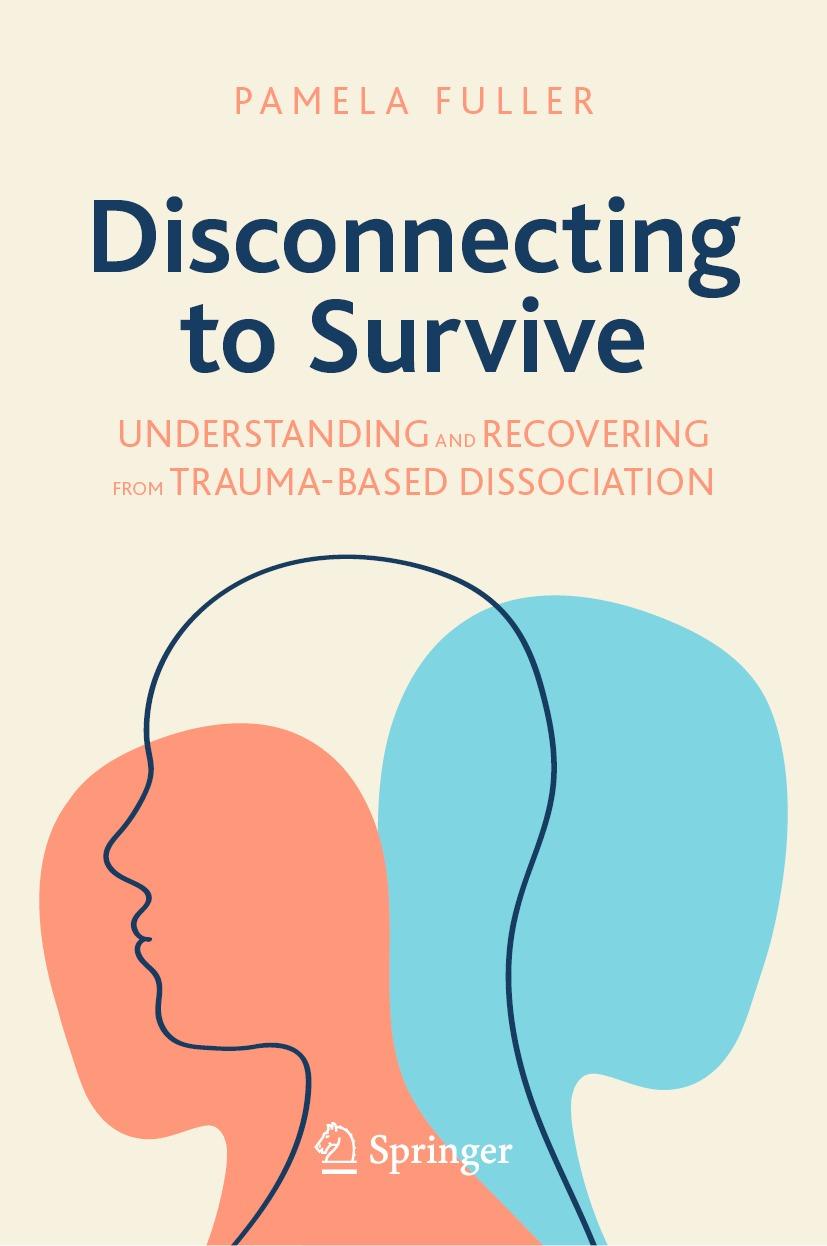
This book provides up-to-date guidance on how to recognize and reduce trauma-based dissociation. Through a therapist-guided approach, readers will increase their awareness of their own experiences of dissociation and develop strategies for reducing these responses, with an overall goal of feeling more connected within themselves and with others.
Trauma-based dissociation usually first occurs during a very threatening situation from which there is no physical escape. The dissociative response happens automatically for protection outside of awareness, so the person doesn’t realize what they were doing. This protective response can happen again when other concerning situations occur, and eventually develop into an automatic response to perceived threats.
Disconnecting to Survive: Understanding and Recovering from Trauma-based Dissociation is a guide for individuals who experience dissociation or wonder if they do, and for their family, friends, and professionals who want to help them. Several unique features of this book make it valuable as a therapeutic experience for trauma survivors as well as a useful resource for professionals. "Check-ins” throughout the book provide an in-the-moment experience of self-monitoring and pacing while reading. Frequent case examples enhance understanding of the ideas described and validate the experiences of readers who have persevered through traumatic life situations. A section at the end of each chapter provides opportunity to explore how the concepts apply to the reader. Readers also will learn about a three-phase model for determining their present needs and their readiness for different interventions based on their phase of trauma recovery. In addition to physical, emotional, and sexual abuse, other types of interpersonal trauma are delineated, including race-based trauma, religious trauma, medical trauma, emotional neglect, military-related trauma, and mistreatment dueto sexual orientation. In addition, a chapter is devoted to each of the important topics of dissociation in children and the relationship between trauma, dissociation, and psychosis.
Before Memmo my notes were scattered across PDFs. Now a workspace pulls everything into one place — I see exactly what's still left to study.
Memmo's summaries are gold before exams. I don't have to re-read 800 pages two weeks before — just the important parts.
The AI chat has saved me the night before an exam more than once. I just keep asking until I get it — no waiting on a study group to reply.
The quizzes hit exactly what I need to know. Memmo tracks what I get stuck on — so I only practice what's worth it.
Flashcards with spaced repetition are magic. Memmo knows when I'm about to forget something and brings it back.
The AI podcasts are my favorite. I listen on my way to school and get a recap without sitting at a computer.

Handbok i kvalitativa metoder
281 kr

Hållbar utveckling: en introduktion för ingenjörer och andra problemlösare
334 kr

Brymans Samhällsvetenskapliga metoder
390 kr

Projektledning
491 kr

Den orättvisa hälsan: om socioekonomiska skillnader i hälsa och livslängd
326 kr

Organizational Leadership
429 kr

Vetenskapsteori för nybörjare
196 kr

På väg mot läraryrket
172 kr

Det sociala livet i skolan: Socialpsykologiska perspektiv
253 kr

Betygsättningens didaktik
151 kr

Personality
402 kr

Studying Leadership
404 kr

Managing Innovation
477 kr

Introduktion till samhällsvetenskaplig metod
347 kr

The Psychology of Sex and Gender
698 kr

Evidens och kunskap för socialt arbete
207 kr

Introduction to Leadership
605 kr