
Before Memmo my notes were scattered across PDFs. Now a workspace pulls everything into one place — I see exactly what's still left to study.
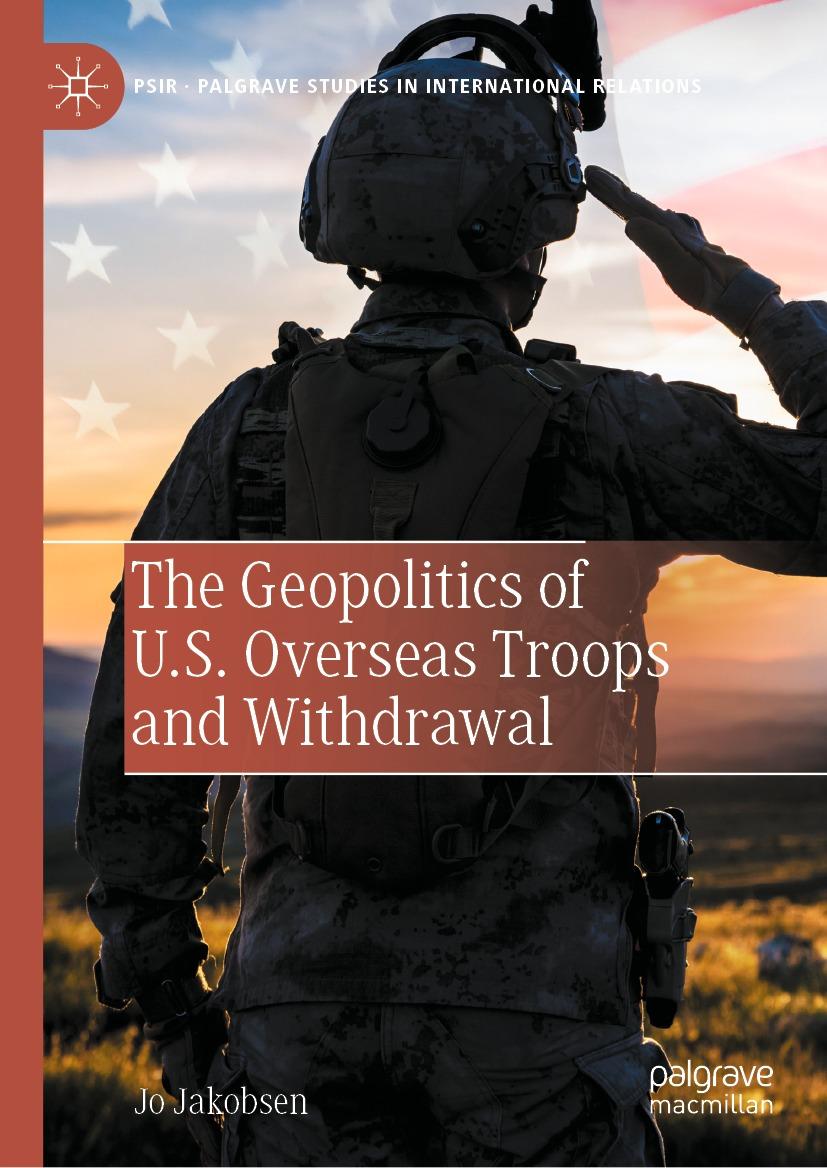
Why is it so difficult for a great power or a hegemon to retrench its overseas military power? Specifically, why are U.S. military bases and troops still largely where they were five years ago, twenty years ago, or even seventy years ago? Through developing a theory of great-power persistence, this book offers an explanation. Closely aligned with neoclassical realism, the theory argues that the murkiness of the anarchic international system combines with specific psychological inclinations of individuals to produce “better-safe-than-sorry” policies. In the United States, decisions on troop deployments are powerfully influenced by the broader foreign-policy community. Its members tend to be risk-averse and highly sensitive to the possibility that even minor troop withdrawals might set off harmful geopolitical chain reactions. Preferring the status quo over any uncertain alternative, they want their country to continue to maximize its influence and project its military power abroad inorder to steady wobbling geopolitical “dominoes.” The theory is put to the empirical test through a systematic analysis of U.S. overseas troop deployments, withdrawal attempts, and retrenchment resistance during the presidency of Donald Trump, which represents an ideal test case for these mechanisms. Even if U.S. voters elected a retrenchment advocate as president, and despite that the United States is a gradually declining power, the period saw very little change in U.S. overseas troop deployments. The book concludes that, barring any dramatic, unforeseeable international event, the vast network of overseas U.S. military bases and troops is likely to persist for a long time to come.
Before Memmo my notes were scattered across PDFs. Now a workspace pulls everything into one place — I see exactly what's still left to study.
Memmo's summaries are gold before exams. I don't have to re-read 800 pages two weeks before — just the important parts.
The AI chat has saved me the night before an exam more than once. I just keep asking until I get it — no waiting on a study group to reply.
The quizzes hit exactly what I need to know. Memmo tracks what I get stuck on — so I only practice what's worth it.
Flashcards with spaced repetition are magic. Memmo knows when I'm about to forget something and brings it back.
The AI podcasts are my favorite. I listen on my way to school and get a recap without sitting at a computer.

Handbok i kvalitativa metoder
281 kr

Hållbar utveckling: en introduktion för ingenjörer och andra problemlösare
334 kr

Brymans Samhällsvetenskapliga metoder
390 kr

Projektledning
491 kr

Den orättvisa hälsan: om socioekonomiska skillnader i hälsa och livslängd
326 kr

Vetenskapsteori för nybörjare
196 kr

Organizational Leadership
429 kr

På väg mot läraryrket
172 kr

Det sociala livet i skolan: Socialpsykologiska perspektiv
253 kr

Betygsättningens didaktik
151 kr

Personality
402 kr

Studying Leadership
404 kr

Managing Innovation
477 kr

Introduktion till samhällsvetenskaplig metod
347 kr

The Psychology of Sex and Gender
698 kr

Evidens och kunskap för socialt arbete
207 kr

Introduction to Leadership
605 kr