
Before Memmo my notes were scattered across PDFs. Now a workspace pulls everything into one place — I see exactly what's still left to study.
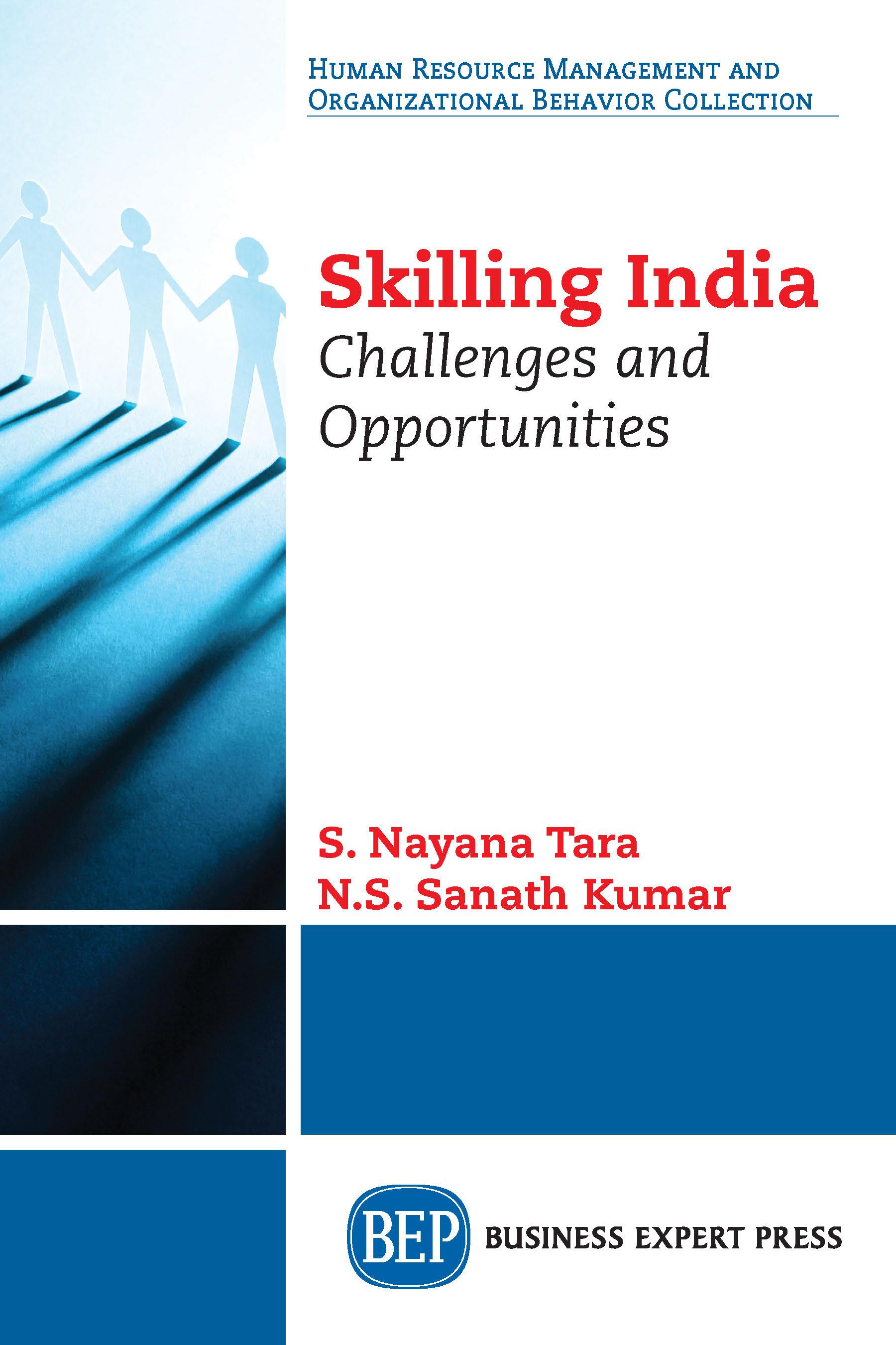
The book focuses on the status of vocational education programs, challenges of achieving quality and attaining competitive excellence in a globalized socioeconomic order, and the role of government and industry in achieving these avowed goals.
India’s transition to a knowledge-based economy requires a new generation of educated and skilled people. Its competitive edge will be determined by its people’s ability to create, share, and use knowledge effectively. A knowledge economy requires India to develop workers—knowledge workers and knowledge technologists—who are flexible and analytical and can be the driving force for innovation and growth.
Developing skilled workers enhances the efficiency and flexibility of the labor market; skills bottlenecks are reduced, skilled workers are more easily absorbed into the economy, and their job mobility is improved. In this light, an effort is made in this book to describe and analyze governmental skill development initiatives in India. The book also dwells on the need to revive traditional family centric vocations pursued in the rural communities, especially those dying village-based vocations that provide livelihood options to a multitude of socially disadvantaged artisans, and integrate them into the fabric of skill development initiatives in place.
The book provides a systematic understanding of the processes of skill formation and provides several pathways for enhancing entrepreneurial skills in a business ecosystem with a huge knowledge capital gained through skill development initiatives. Toward this end, the book seeks to contribute toward understanding the structures and processes of governance and initiatives for enhancing the quality of skilling programs. The book also dwells on various opportunities and challenges of augmenting a multitude of skilled workforces made available through various skilling initiatives and programs.
Before Memmo my notes were scattered across PDFs. Now a workspace pulls everything into one place — I see exactly what's still left to study.
Memmo's summaries are gold before exams. I don't have to re-read 800 pages two weeks before — just the important parts.
The AI chat has saved me the night before an exam more than once. I just keep asking until I get it — no waiting on a study group to reply.
The quizzes hit exactly what I need to know. Memmo tracks what I get stuck on — so I only practice what's worth it.
Flashcards with spaced repetition are magic. Memmo knows when I'm about to forget something and brings it back.
The AI podcasts are my favorite. I listen on my way to school and get a recap without sitting at a computer.

Handbok i kvalitativa metoder
281 kr

Hållbar utveckling: en introduktion för ingenjörer och andra problemlösare
334 kr

Brymans Samhällsvetenskapliga metoder
390 kr

Projektledning
491 kr

Den orättvisa hälsan: om socioekonomiska skillnader i hälsa och livslängd
326 kr

Organizational Leadership
429 kr

Vetenskapsteori för nybörjare
196 kr

På väg mot läraryrket
172 kr

Det sociala livet i skolan: Socialpsykologiska perspektiv
253 kr

Betygsättningens didaktik
151 kr

Personality
402 kr

Studying Leadership
404 kr

Managing Innovation
477 kr

Introduktion till samhällsvetenskaplig metod
347 kr

The Psychology of Sex and Gender
698 kr

Evidens och kunskap för socialt arbete
207 kr

Introduction to Leadership
605 kr