
Before Memmo my notes were scattered across PDFs. Now a workspace pulls everything into one place — I see exactly what's still left to study.
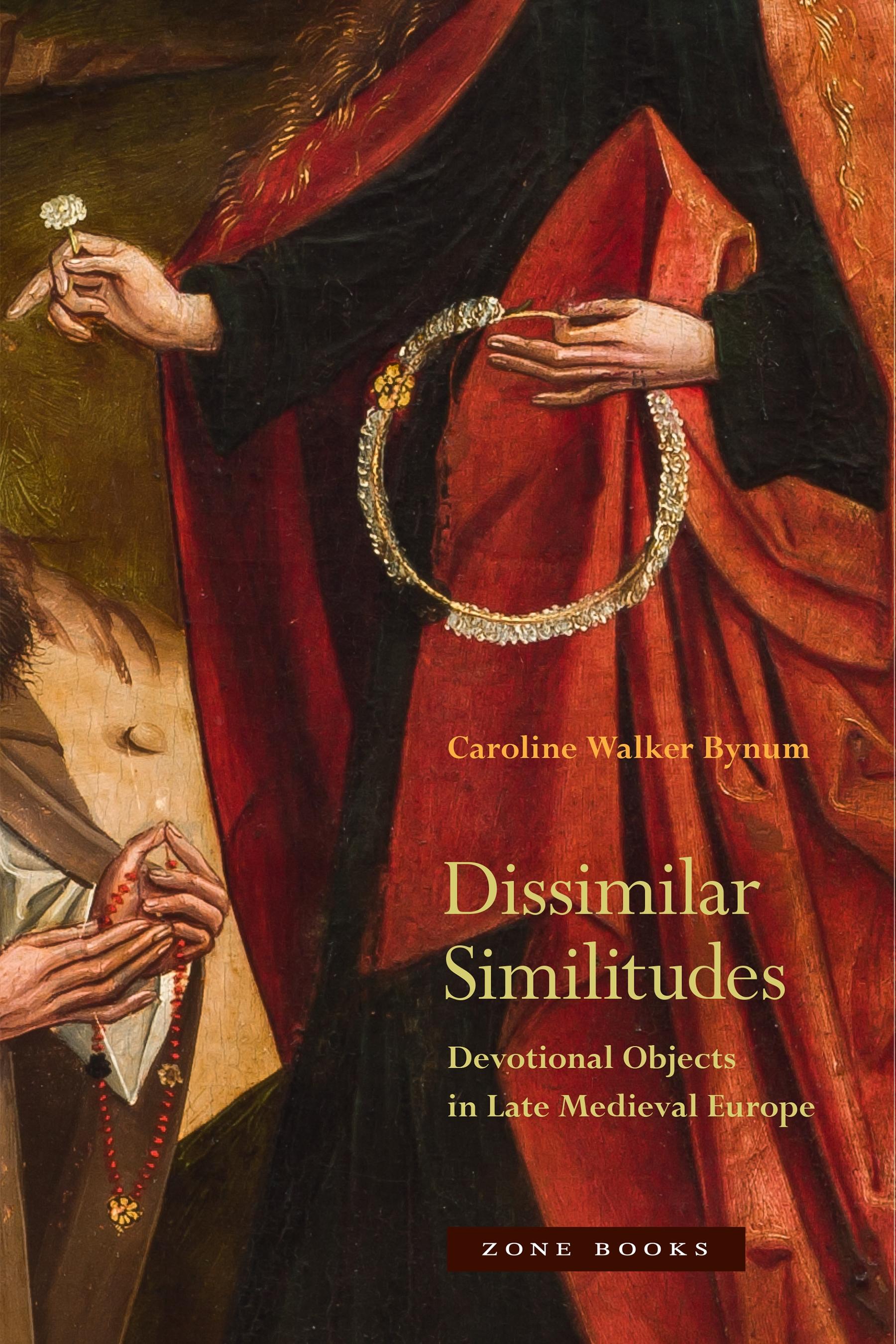
From an acclaimed historian, a mesmerizing account of how medieval European Christians envisioned the paradoxical nature of holy objects
Between the twelfth and the sixteenth centuries, European Christians used a plethora of objects in worship, not only prayer books, statues, and paintings but also pieces of natural materials, such as stones and earth, considered to carry holiness, dolls representing Jesus and Mary, and even bits of consecrated bread and wine thought to be miraculously preserved flesh and blood. Theologians and ordinary worshippers alike explained, utilized, justified, and warned against some of these objects, which could carry with them both anti-Semitic charges and the glorious promise of heaven. Their proliferation and the reaction against them form a crucial background to the European-wide movements we know today as “reformations” (both Protestant and Catholic).
In a set of independent but interrelated essays, Caroline Bynum considers some examples of such holy things, among them beds for the baby Jesus, the headdresses of medieval nuns, and the footprints of Christ carried home from the Holy Land by pilgrims in patterns cut to their shape or their measurement in lengths of string. Building on and going beyond her well-received work on the history of materiality, Bynum makes two arguments, one substantive, the other methodological. First, she demonstrates that the objects themselves communicate a paradox of dissimilar similitude—that is, that in their very details they both image the glory of heaven and make clear that that heaven is beyond any representation in earthly things. Second, she uses the theme of likeness and unlikeness to interrogate current practices of comparative history. Suggesting that contemporary students of religion, art, and culture should avoid comparing things that merely “look alike,” she proposes that humanists turn instead to comparing across cultures the disparate and perhaps visually dissimilar objects in which worshippers as well as theorists locate the “other” that gives religion enduring power.
Before Memmo my notes were scattered across PDFs. Now a workspace pulls everything into one place — I see exactly what's still left to study.
Memmo's summaries are gold before exams. I don't have to re-read 800 pages two weeks before — just the important parts.
The AI chat has saved me the night before an exam more than once. I just keep asking until I get it — no waiting on a study group to reply.
The quizzes hit exactly what I need to know. Memmo tracks what I get stuck on — so I only practice what's worth it.
Flashcards with spaced repetition are magic. Memmo knows when I'm about to forget something and brings it back.
The AI podcasts are my favorite. I listen on my way to school and get a recap without sitting at a computer.

Handbok i kvalitativa metoder
281 kr

Hållbar utveckling: en introduktion för ingenjörer och andra problemlösare
334 kr

Brymans Samhällsvetenskapliga metoder
390 kr

Projektledning
491 kr

Den orättvisa hälsan: om socioekonomiska skillnader i hälsa och livslängd
326 kr

Vetenskapsteori för nybörjare
196 kr

Organizational Leadership
429 kr

På väg mot läraryrket
172 kr

Det sociala livet i skolan: Socialpsykologiska perspektiv
253 kr

Betygsättningens didaktik
151 kr

Personality
402 kr

Studying Leadership
404 kr

Managing Innovation
477 kr

Introduktion till samhällsvetenskaplig metod
347 kr

The Psychology of Sex and Gender
698 kr

Evidens och kunskap för socialt arbete
207 kr

Introduction to Leadership
605 kr