
Before Memmo my notes were scattered across PDFs. Now a workspace pulls everything into one place — I see exactly what's still left to study.
An examination of the role of horses in the colonial economies of South Africa
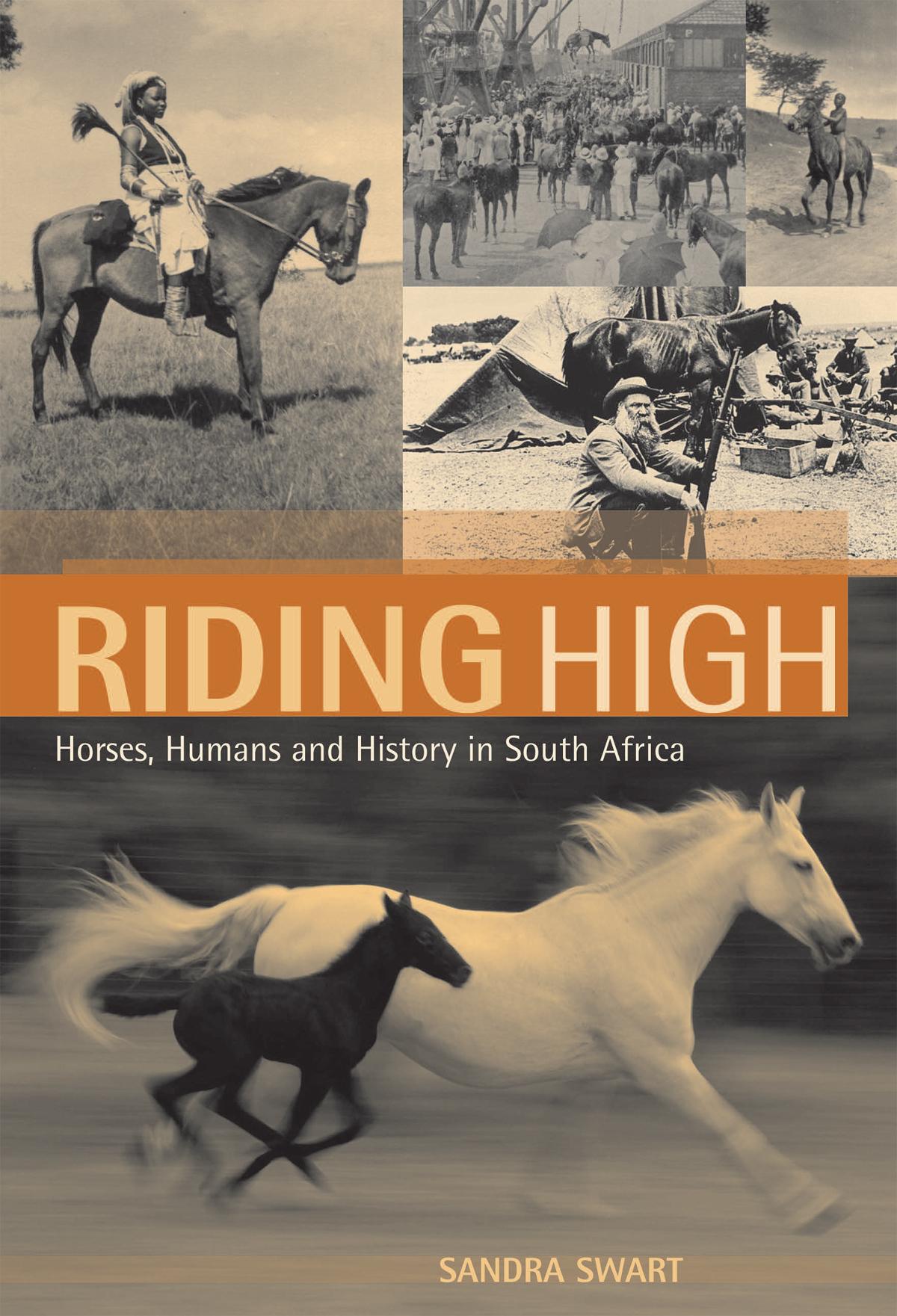
Horses were key to the colonial economies of southern Africa, buttressing the socio-political order and inspiring contemporary imaginations. Just as they had done in Europe, Asia, the Americas and North Africa, these equine colonizers not only provided power and transportation to settlers (and later indigenous peoples) but also helped transform their new biophysical and social environments.
The horses introduced to the southern tip of Africa were not only agents but subjects of enduring changes. This book explores the introduction of these horses under VOC rule in the mid-seventeenth century, their dissemination into the interior, their acquisition by indigenous groups and their ever-shifting roles. In undergoing their relocation to the Cape, the horse of the Dutch empire in southeast Asia experienced a physical transformation over time. Establishing an early breeding stock was fraught with difficulty and horses remained vulnerable in the new and dangerous environment. They had to be nurtured into defending their owners' ambitions: first those of the white settlement and then African and other hybrid social groupings. The book traces the way horses were adapted by shifting human needs in the nineteenth century. It focuses on their experiences in the South African War, on the cusp of the twentieth century, and highlights how horses remained integral to civic functioning on various levels, replaced with mechanization only after lively debate.
The book thus reinserts the horse into the broader historical narrative. The socio-economic and political ramifications of their introduction is delineated. The idea of ecological imperialism is tested in order to draw southern African environmental history into a wider global dialogue on socio-environmental historiographical issues. The focus is also on the symbolic dimension that led horses to be both feared and desired. Even the sensory dimensions of this species' interaction with human societies is explored. Finally, the book speculates about what a new kind of history that takes animals seriously might offer us.
Before Memmo my notes were scattered across PDFs. Now a workspace pulls everything into one place — I see exactly what's still left to study.
Memmo's summaries are gold before exams. I don't have to re-read 800 pages two weeks before — just the important parts.
The AI chat has saved me the night before an exam more than once. I just keep asking until I get it — no waiting on a study group to reply.
The quizzes hit exactly what I need to know. Memmo tracks what I get stuck on — so I only practice what's worth it.
Flashcards with spaced repetition are magic. Memmo knows when I'm about to forget something and brings it back.
The AI podcasts are my favorite. I listen on my way to school and get a recap without sitting at a computer.

Handbok i kvalitativa metoder
281 kr

Hållbar utveckling: en introduktion för ingenjörer och andra problemlösare
334 kr

Brymans Samhällsvetenskapliga metoder
390 kr

Projektledning
491 kr

Den orättvisa hälsan: om socioekonomiska skillnader i hälsa och livslängd
326 kr

Organizational Leadership
429 kr

Vetenskapsteori för nybörjare
196 kr

På väg mot läraryrket
172 kr

Det sociala livet i skolan: Socialpsykologiska perspektiv
253 kr

Betygsättningens didaktik
151 kr

Personality
402 kr

Studying Leadership
404 kr

Managing Innovation
477 kr

Introduktion till samhällsvetenskaplig metod
347 kr

The Psychology of Sex and Gender
698 kr

Evidens och kunskap för socialt arbete
207 kr

Introduction to Leadership
605 kr