
Before Memmo my notes were scattered across PDFs. Now a workspace pulls everything into one place — I see exactly what's still left to study.
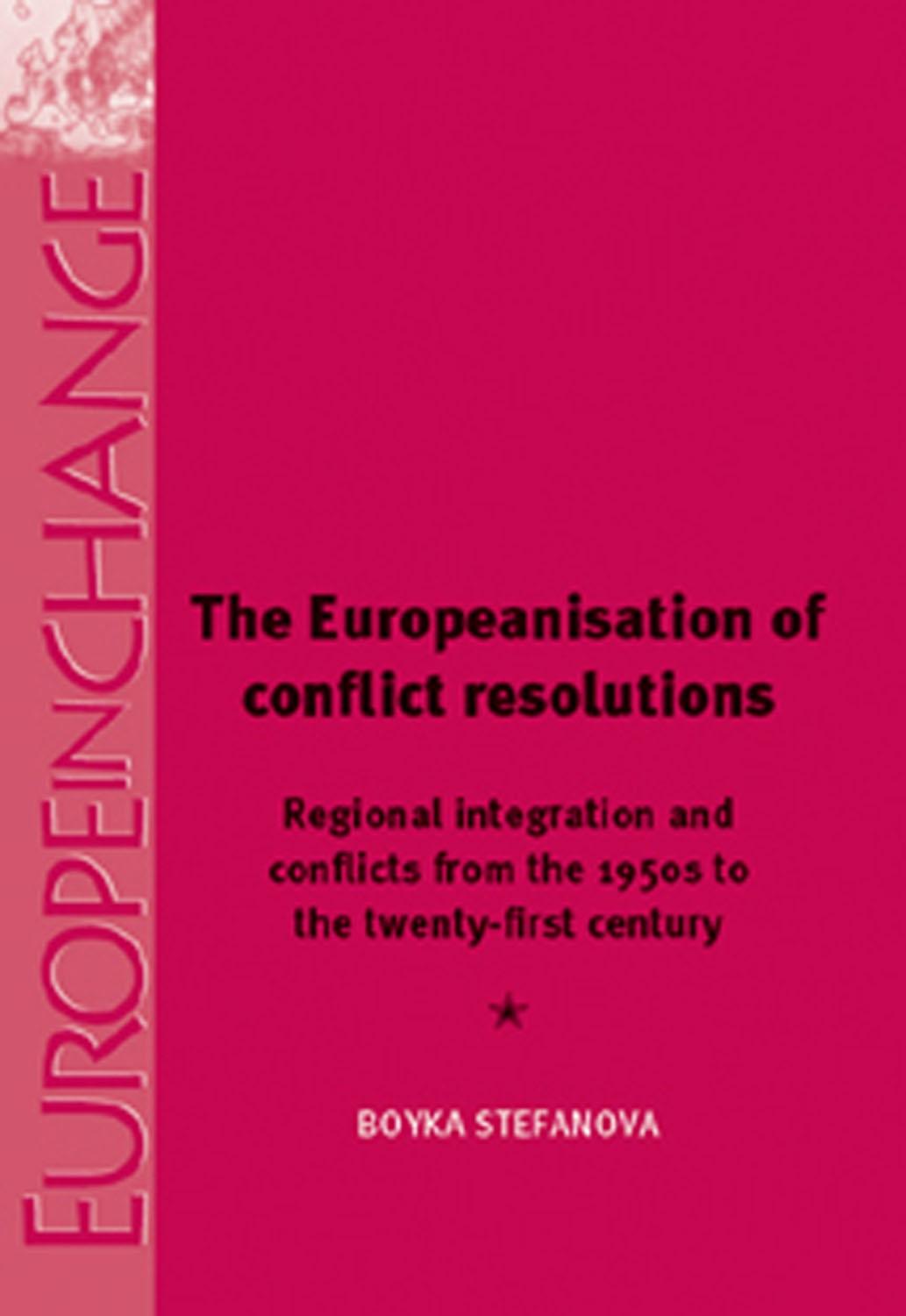
This book is about the EU’s role in conflict resolution and reconciliation in Europe.
Ever since it was implemented as a political project of the post-World War II reality in Western Europe, European integration has been credited with performing conflict resolution functions. It allegedly transformed the long-standing adversarial relationship between France and Germany into a strategic partnership. Conflict in Western Europe became obsolete. The end of the Cold War further reinforced its role as a regional peace project.
While these evolutionary dynamics are uncontested, the deeper meaning of the process, its transformative power, is still to be elucidated. How does European integration restore peace when its equilibrium is broken and conflict or the legacies of enmity persist? This book sets out to do exactly that. It explores the peace and conflict-resolution role of European integration by testing its somewhat vague, albeit well-established, macro-political rationale of a peace project in the practical settings of conflicts. The analytical lens of that of Europeanization.
The central argument of the book is that the evolution of the policy mix, resources, framing influences and political opportunities through which European integration affects conflicts and processes of conflict resolution demonstrates a historical trend through which the EU has become an indispensable factor of conflict resolution . It begins with the pooling together of policy-making at the European level for the management of particular sectors (early integration in the European Coal and Steel Community) through the functioning of core EU policies (Northern Ireland) to the challenges of enlargement (Cyprus) and the European perspective for the Western Balkans (Kosovo). The book will be of value to academics and non-expert observers alike with an interest in European integration and peace studies.
Before Memmo my notes were scattered across PDFs. Now a workspace pulls everything into one place — I see exactly what's still left to study.
Memmo's summaries are gold before exams. I don't have to re-read 800 pages two weeks before — just the important parts.
The AI chat has saved me the night before an exam more than once. I just keep asking until I get it — no waiting on a study group to reply.
The quizzes hit exactly what I need to know. Memmo tracks what I get stuck on — so I only practice what's worth it.
Flashcards with spaced repetition are magic. Memmo knows when I'm about to forget something and brings it back.
The AI podcasts are my favorite. I listen on my way to school and get a recap without sitting at a computer.

Handbok i kvalitativa metoder
281 kr

Hållbar utveckling: en introduktion för ingenjörer och andra problemlösare
334 kr

Brymans Samhällsvetenskapliga metoder
390 kr

Projektledning
491 kr

Den orättvisa hälsan: om socioekonomiska skillnader i hälsa och livslängd
326 kr

Vetenskapsteori för nybörjare
196 kr

Organizational Leadership
429 kr

På väg mot läraryrket
172 kr

Det sociala livet i skolan: Socialpsykologiska perspektiv
253 kr

Betygsättningens didaktik
151 kr

Personality
402 kr

Studying Leadership
404 kr

Managing Innovation
477 kr

Introduktion till samhällsvetenskaplig metod
347 kr

The Psychology of Sex and Gender
698 kr

Evidens och kunskap för socialt arbete
207 kr

Introduction to Leadership
605 kr