
Before Memmo my notes were scattered across PDFs. Now a workspace pulls everything into one place — I see exactly what's still left to study.
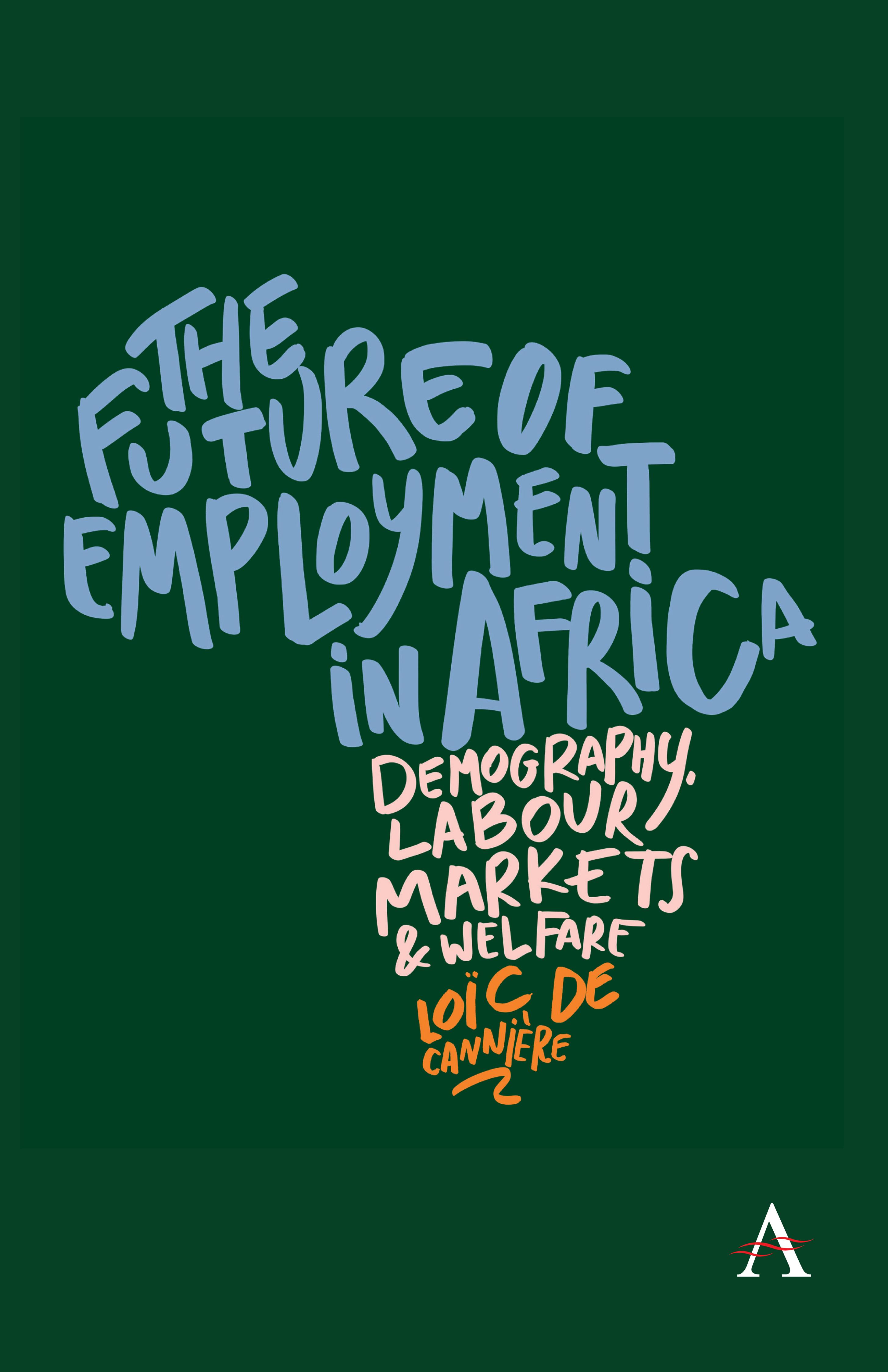
The Future of Employment in Africa: Demography, Labour Markets and Welfare explores the major trends that will define the face of the sub-Saharan continent in the next three decades. The near doubling of Africa’s population by 2050 will lead to more than twenty million new job seekers entering the African labour market every year until then. Right now, Africa doesn’t seem armed to offer jobs to this many people, resulting in possible unrest and intra-African or intercontinental migration flows, including to Europe. Climate change creates additional migratory pressure as it threatens the future of agriculture and livestock.
The author explores the opportunities for increased job creation in Africa. Work provides income, and decent and meaningful jobs contribute to prospects and social stability. The evolution of the labour market is essential for the continent’s future. Fortunately, Africa has some major strengths. The continent has the youngest population in the world and represents a wealth of creativity and innovation. Moreover, Africans excel in ‘market-creating innovation’: the ability to see market opportunities and innovations that others do not. Africans create their own jobs through micro and small enterprises. A young well-trained middle class, familiar with digital technologies, is emerging. Africa’s abundant natural resources also attract global regional powers aspiring to secure access to critical raw materials, something the continent can use to its own advantage.
Special attention goes to the European Union’s Africa policy: the book takes a critical look at the European Union’s intentions and approach and formulates recommendations to the European Commission. The author combines economic analysis with stories from twenty-five years of experience with impact investments in Africa. He challenges the typical pessimistic stereotypes about the continent and provides an optimistic vision of Africa’s future.
Before Memmo my notes were scattered across PDFs. Now a workspace pulls everything into one place — I see exactly what's still left to study.
Memmo's summaries are gold before exams. I don't have to re-read 800 pages two weeks before — just the important parts.
The AI chat has saved me the night before an exam more than once. I just keep asking until I get it — no waiting on a study group to reply.
The quizzes hit exactly what I need to know. Memmo tracks what I get stuck on — so I only practice what's worth it.
Flashcards with spaced repetition are magic. Memmo knows when I'm about to forget something and brings it back.
The AI podcasts are my favorite. I listen on my way to school and get a recap without sitting at a computer.

Handbok i kvalitativa metoder
281 kr

Hållbar utveckling: en introduktion för ingenjörer och andra problemlösare
334 kr

Brymans Samhällsvetenskapliga metoder
390 kr

Projektledning
491 kr

Den orättvisa hälsan: om socioekonomiska skillnader i hälsa och livslängd
326 kr

Vetenskapsteori för nybörjare
196 kr

Organizational Leadership
429 kr

På väg mot läraryrket
172 kr

Det sociala livet i skolan: Socialpsykologiska perspektiv
253 kr

Betygsättningens didaktik
151 kr

Personality
402 kr

Studying Leadership
404 kr

Managing Innovation
477 kr

Introduktion till samhällsvetenskaplig metod
347 kr

The Psychology of Sex and Gender
698 kr

Evidens och kunskap för socialt arbete
207 kr

Introduction to Leadership
605 kr