
Before Memmo my notes were scattered across PDFs. Now a workspace pulls everything into one place — I see exactly what's still left to study.
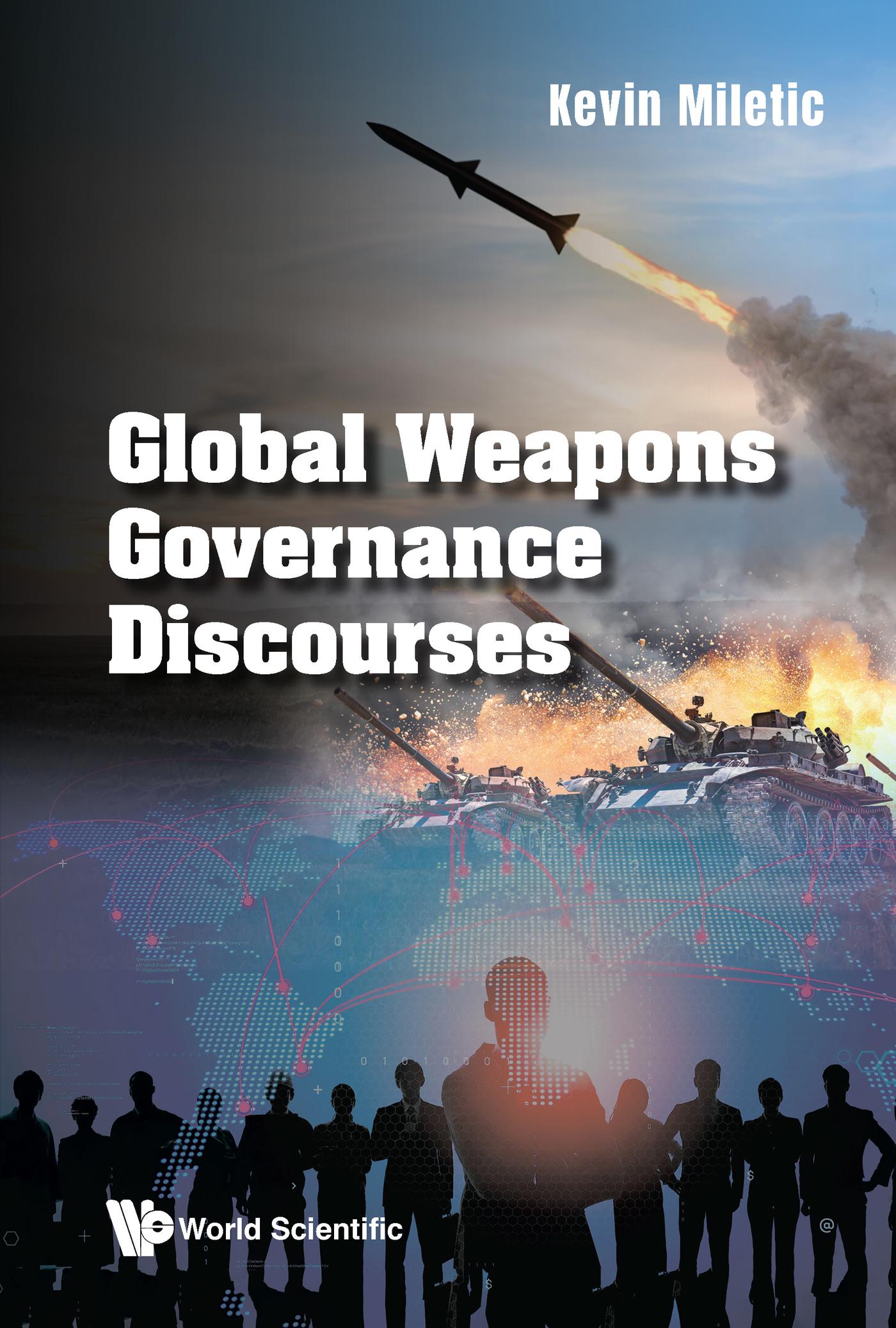
This book tackles essential questions about weapons governance: How do different discourses generate different practices? How are weapons governance practices put into use? What effects do these differing practices have? And how do these discourses interact with each other? Whether it be consensual (such as treaties), or imposed by military victors, the governance of weapons has been a subject of critical importance across all of history.
Positivist literature in the field of international relations (IR) generally describes weapons simply: the means of violence at domestic and international levels, or the consequence of technological development and dissemination. This book points out the crucial wider dynamics that are missed by this positivist interpretation. In truth, weapons governance is a field wherein a great range of different social constructs can be found, each with specific ideas about how weapons, people, states, international relations and security should be organised in order to achieve a particular political project. Readers will find in this book a roadmap for navigating this field. By the end, they will be able to recognise what types of weapons governance discourses they are exposed to and will be equipped with the tools required to critically analyse those discursive practices and their effects.
There is an intense competition happening at all times between different weapons governance discourses, and it is becoming increasingly important to have the awareness and knowledge necessary to recognise what discourses are dominant and what discourses are suppressed.
Contents:
Readership: Post-graduate students and teachers in the fields of International Relations, Political Science, and Sociology. Additionally, policymakers and practitioners in the field of weapons governance.
Before Memmo my notes were scattered across PDFs. Now a workspace pulls everything into one place — I see exactly what's still left to study.
Memmo's summaries are gold before exams. I don't have to re-read 800 pages two weeks before — just the important parts.
The AI chat has saved me the night before an exam more than once. I just keep asking until I get it — no waiting on a study group to reply.
The quizzes hit exactly what I need to know. Memmo tracks what I get stuck on — so I only practice what's worth it.
Flashcards with spaced repetition are magic. Memmo knows when I'm about to forget something and brings it back.
The AI podcasts are my favorite. I listen on my way to school and get a recap without sitting at a computer.

Handbok i kvalitativa metoder
281 kr

Hållbar utveckling: en introduktion för ingenjörer och andra problemlösare
334 kr

Brymans Samhällsvetenskapliga metoder
390 kr

Projektledning
491 kr

Den orättvisa hälsan: om socioekonomiska skillnader i hälsa och livslängd
326 kr

Organizational Leadership
429 kr

Vetenskapsteori för nybörjare
196 kr

På väg mot läraryrket
172 kr

Det sociala livet i skolan: Socialpsykologiska perspektiv
253 kr

Betygsättningens didaktik
151 kr

Personality
402 kr

Studying Leadership
404 kr

Managing Innovation
477 kr

Introduktion till samhällsvetenskaplig metod
347 kr

The Psychology of Sex and Gender
698 kr

Evidens och kunskap för socialt arbete
207 kr

Introduction to Leadership
605 kr