
Before Memmo my notes were scattered across PDFs. Now a workspace pulls everything into one place — I see exactly what's still left to study.
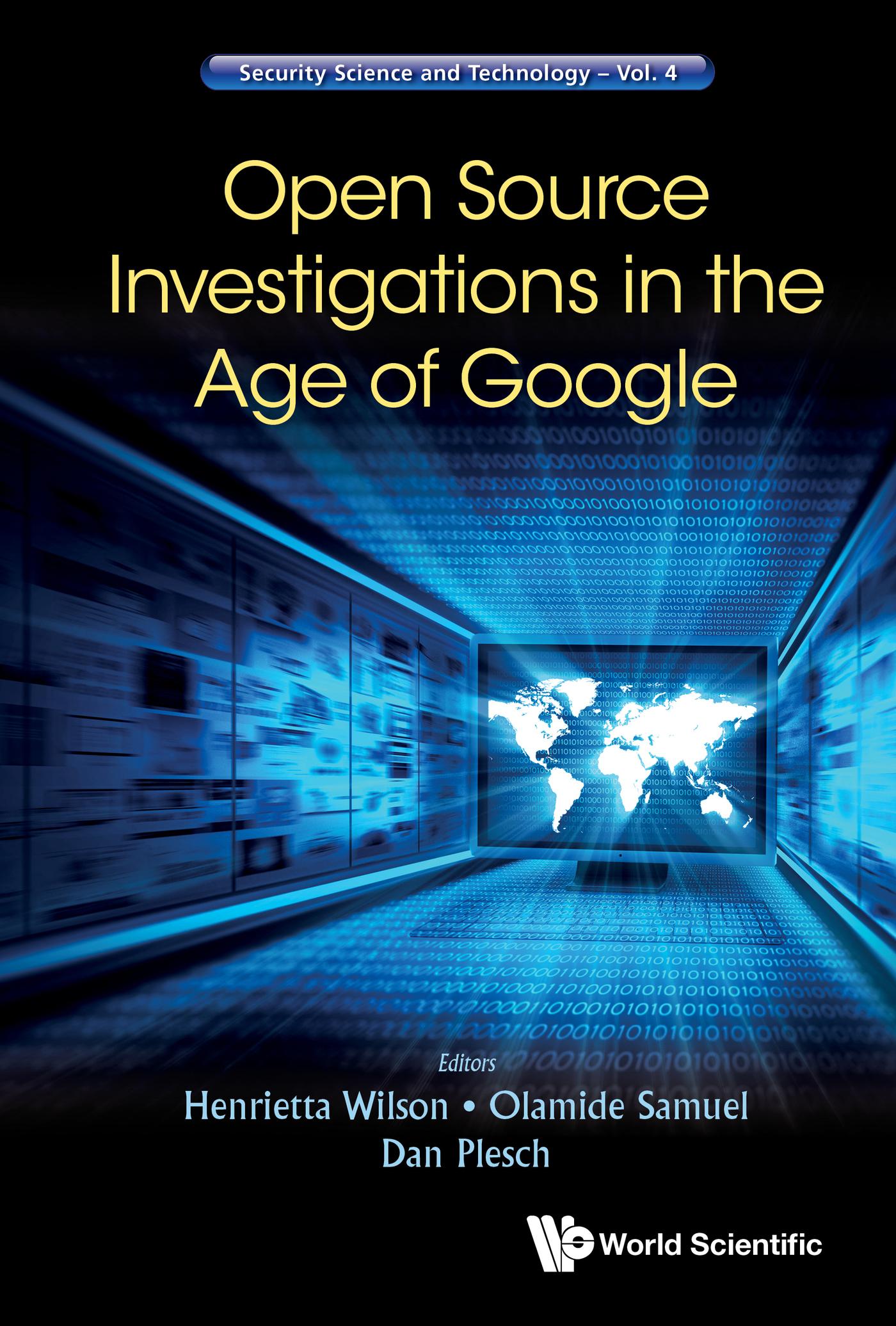
How did a journalist find out who was responsible for bombing hospitals in Syria from his desk in New York? How can South Sudanese monitors safely track and detail the weapons in their communities and make sure that global audiences take notice? How do researchers in London coordinate worldwide work uncovering global corruption? What are policy-makers, lawyers, and intelligence agencies doing to keep up with and make use of these activities?
In the age of Google, threats to human security are being tracked in completely new ways. Human rights abuses, political violence, nuclear weapons, corruption, radicalization, and conflict are all being monitored, analyzed, and documented. Although open source investigations are neither easy to conduct nor straightforward to apply, with diligence and effort, societies, agencies, and individuals have the potential to use them to strengthen security.
This interdisciplinary book presents 18 original chapters by prize-winning practitioners, experts, and rising stars, detailing what open source investigations are and how they are carried out, and examining the opportunities and challenges they present to global transparency, accountability and justice. It is essential reading for current and future digital investigators, journalists, and scholars of global governance, international relations and humanitarian law, as well as anyone interested in the possibilities and dangers of this new field.
Contents:
Readership: Open source research practitioners; investigative journalists; national and international humanitarian lawyers, undergraduates and graduates of global governance and international relations.
'Open Source Investigations in the Age of Google is a remarkable accomplishment, a conceptual introduction that is also a useful guide to navigating a new era of transparency, making a unique and critical contribution to addressing global human security.' - Ambassador Robert GallucciDistinguished Professor in the Practice of Diplomacy, Georgetown University's Walsh School of Foreign Service
'Corruption and atrocities are harder to keep secret thanks to the exciting new methods of open source research to reveal patterns and incidents that are vital to justice and accountability. This book sets out the advantages and limitations of open source investigations through detailed case studies ranging from human rights abuses to weapons of mass destruction. But it also details the misuse of these techniques and how to develop better governance and ethical guidelines. Essential reading for defenders of open societies.' - Heather Grabbe Director of the Open Society European Policy Institute, Brussels
'As an OSINT-specialist for decades the importance of a book like this cannot be stressed enough. Whether you are starting in OSINT or Online Investigations, or a veteran, this book will give you great insights into practical approaches, understanding ethical and legal dilemmas and the power of proper intelligence collection.' - Nico DekensDutch_OsintGuy
'This is a timely collection of essays on the uses of open source information about everything from nuclear weapons to human rights violations. The book's splendid introduction provides a sophisticated guide to major issues of reliability, accountability through transparency, governance, and ethics, and highlights the promise and the perils of using ever more powerful technologies to gather and assess information. This volume is a major contribution to our understanding of this rapidly developing field and essential reading for policymakers and citizens.' - Kennette BenedictSenior Advisor, Bulletin of the Atomic Scientists
'Open source information is a potential goldmine for security researchers but poses a host of questions related to transparency and research methodology, among many others. Open Source Investigations in the Age of Google captures the state of the art on these questions in a thoughtful manner and should be on the bookshelf of every serious researcher interested in the topic.' - Stephen CoulthartAssociate Professor, University at Albany
'A carefully crafted and engaging collection by world-leading experts that will instantly prove a foundational resource for anyone interested in open source investigations.' - Dr Filippa LentzosReader, King's College London
'The stunning revelations from novel open source research methods and journalism can make these approaches seem more like magic than a craft. You have to engage with practitioners to really understand how these tools can be used, how they are changing today's information ecosystem, how norms around their use are evolving, and how they affect international security. This volume brilliantly brings together that conversation, with contributions from the most insightful practitioners in open source analysis.' - Benjamin LoehrkeStanley Center for Peace and Security
'This is a timely book! It offers radical new ways to achieve justice and accountability in the face of growing authoritarian governments, human rights abuses, and misinformation. It is essential reading for anyone working at the intersection of technology, media, and human rights.' - Saijai LiangpunsakulPractitioner and Advocate working to combat hate speech and promote responsible AI and technology for democracy
'This excellent collection of essays from leading thinkers in the field is a must-read primer for open source investigators and people that want to understand their work. Human rights defenders, investigative journalists, policy makers, law enforcement professionals, students, teachers, and many more will find this exciting book an invaluable resource to understand powerful new monitoring approaches, and how they are making a difference to global governance, justice, and accountability.' - Professor Andrew FutterUniversity of Leicester
'With the huge growth in modern monitoring methods and tools, more and more institutions and individuals are generating insight akin to what intelligence communities have long considered 'actionable intelligence' — including the monitoring of nuclear weapons proliferation and tracking ongoing military operations. These techniques are now increasingly available for public consumption with no government oversight. Because of the significance of the findings of these new approaches, and the direct-to-public conduit of dissemination, it is critical that practitioners and consumers of this work carefully reflect upon best practices, publication standards, and ethical implications of this emerging tradecraft, which was once so closely associated with spycraft. This book is such a reflection: from the much-needed discussion about who is qualified to practice, why quality of content is important, ethical implications of the work, the need for public literacy, even the very name of this field, is explored. Indeed, this book helps to define this emerging field of global security sense-making and its role in democratizing insight that affects us all.' - Allison PuccioniPrincipal and Founder, Armillary Services
'My experience as Executive Secretary to the Comprehensive Test Ban Treaty Organization has confirmed to me that enhanced transparency is crucial to uphold global efforts to prevent the harms of nuclear weapons proliferation. This book highlights novel opportunities to build transparency and accountability. The methods and issues covered within this book make it an indispensable read for policymakers, scholars, journalists and open source professionals.' - Lassina ZerboFormer Prime Minister, Burkina Faso and Executive Secretary Emeritus, Comprehensive Nuclear-Test-Ban Treaty Organization
Key Features:
Before Memmo my notes were scattered across PDFs. Now a workspace pulls everything into one place — I see exactly what's still left to study.
Memmo's summaries are gold before exams. I don't have to re-read 800 pages two weeks before — just the important parts.
The AI chat has saved me the night before an exam more than once. I just keep asking until I get it — no waiting on a study group to reply.
The quizzes hit exactly what I need to know. Memmo tracks what I get stuck on — so I only practice what's worth it.
Flashcards with spaced repetition are magic. Memmo knows when I'm about to forget something and brings it back.
The AI podcasts are my favorite. I listen on my way to school and get a recap without sitting at a computer.

Handbok i kvalitativa metoder
281 kr

Hållbar utveckling: en introduktion för ingenjörer och andra problemlösare
334 kr

Brymans Samhällsvetenskapliga metoder
390 kr

Projektledning
491 kr

Den orättvisa hälsan: om socioekonomiska skillnader i hälsa och livslängd
326 kr

Organizational Leadership
429 kr

Vetenskapsteori för nybörjare
196 kr

På väg mot läraryrket
172 kr

Det sociala livet i skolan: Socialpsykologiska perspektiv
253 kr

Betygsättningens didaktik
151 kr

Personality
402 kr

Studying Leadership
404 kr

Managing Innovation
477 kr

Introduktion till samhällsvetenskaplig metod
347 kr

The Psychology of Sex and Gender
698 kr

Evidens och kunskap för socialt arbete
207 kr

Introduction to Leadership
605 kr