
Before Memmo my notes were scattered across PDFs. Now a workspace pulls everything into one place — I see exactly what's still left to study.
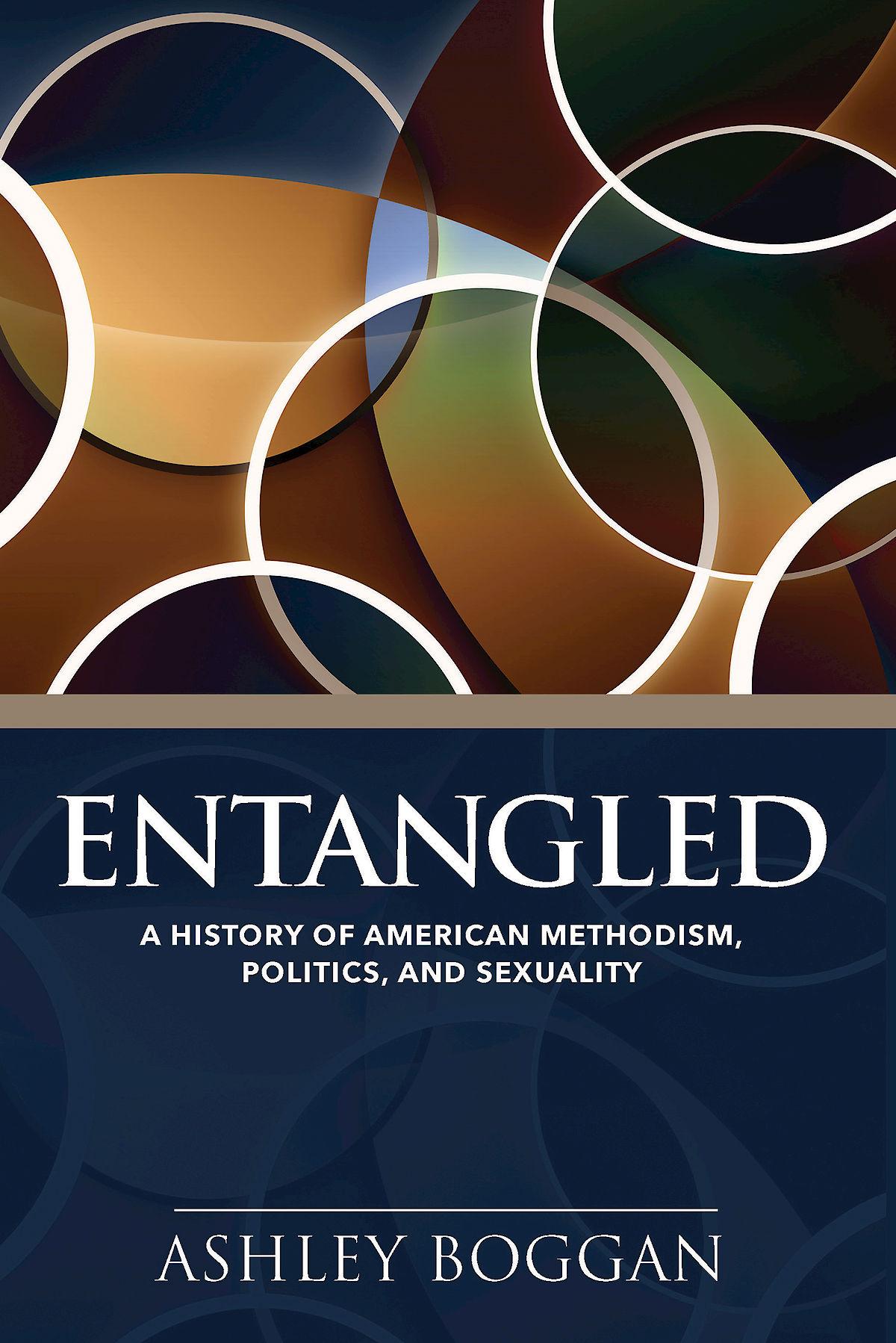
The United Methodist impasse over human sexuality has its roots in two dichotomous ideologies of history and theology.
This book maps how American Methodists have responded to sexual change since World War II. It argues that the current United Methodist impasse over human sexuality has its root in the existence of two dichotomous ideologies of Methodist history and theology--one liberal and one evangelical, which come to the foreground in discussions of human sexuality. It offers evidence about how these ideologies have sought to reconcile their sexual ethic with sexual change since the birth control movement of the 1920s. In post-WWII America, most Methodists upheld a limited notion of family life and sexuality, one that allowed for the use of artificial contraception within marriage and for divorce. In response to the sexual revolution, liberal-leaning Methodists upheld a new sexual ethic, "the new morality," which peaked with radical new approaches to sex education, a full endorsement of abortion rights, and support of the homophile movement. However, "the new morality" coincided with an increased presence of and a new voice for evangelical Methodists, Charles Keysor and the Good News Movement. Evangelical Methodists critiqued "the new morality" as value-neutral and anti-Scripture. The evangelical desire for a rules-based morality solely reliant on Scripture collided with "the new morality" and led to intense debates over sex education, abortion, and the inclusion of LGBTQ persons within the United Methodist denomination from the 1970s onward. Since 1972, United Methodists have continually debated "human sexuality" at each General Conference, primarily through the advocacy efforts of political caucus groups. This author hopes that an historical examination of how Methodists have confronted sexual change will enlighten current conversations about human sexuality.
Before Memmo my notes were scattered across PDFs. Now a workspace pulls everything into one place — I see exactly what's still left to study.
Memmo's summaries are gold before exams. I don't have to re-read 800 pages two weeks before — just the important parts.
The AI chat has saved me the night before an exam more than once. I just keep asking until I get it — no waiting on a study group to reply.
The quizzes hit exactly what I need to know. Memmo tracks what I get stuck on — so I only practice what's worth it.
Flashcards with spaced repetition are magic. Memmo knows when I'm about to forget something and brings it back.
The AI podcasts are my favorite. I listen on my way to school and get a recap without sitting at a computer.

Handbok i kvalitativa metoder
281 kr

Hållbar utveckling: en introduktion för ingenjörer och andra problemlösare
334 kr

Brymans Samhällsvetenskapliga metoder
390 kr

Projektledning
491 kr

Den orättvisa hälsan: om socioekonomiska skillnader i hälsa och livslängd
326 kr

Organizational Leadership
429 kr

Vetenskapsteori för nybörjare
196 kr

På väg mot läraryrket
172 kr

Det sociala livet i skolan: Socialpsykologiska perspektiv
253 kr

Betygsättningens didaktik
151 kr

Personality
402 kr

Studying Leadership
404 kr

Managing Innovation
477 kr

Introduktion till samhällsvetenskaplig metod
347 kr

The Psychology of Sex and Gender
698 kr

Evidens och kunskap för socialt arbete
207 kr

Introduction to Leadership
605 kr