
Before Memmo my notes were scattered across PDFs. Now a workspace pulls everything into one place — I see exactly what's still left to study.
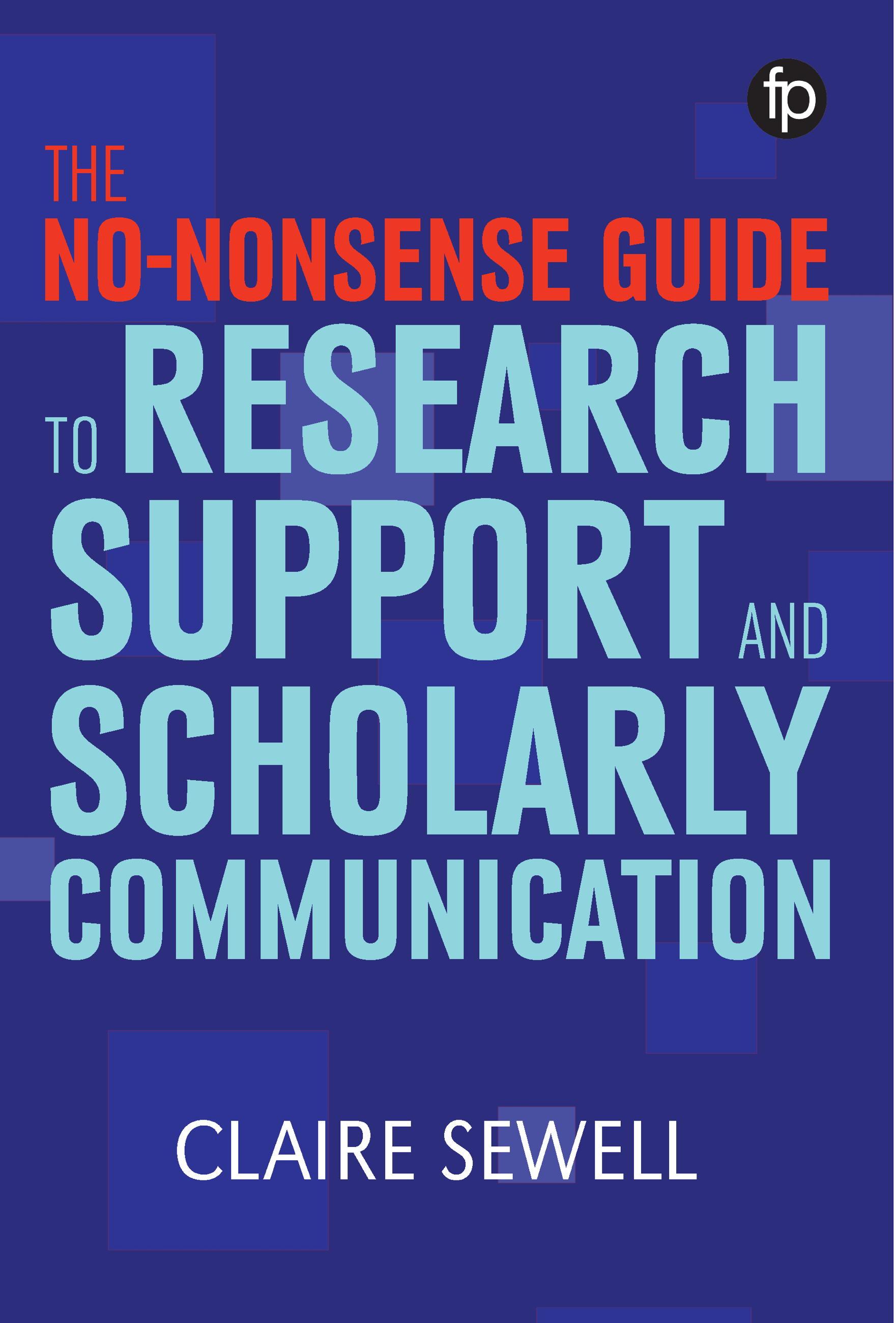
This accessible and highly practical book provides an introductory guide to the world of research support in the academic library.
Academic libraries have seen huge changes in recent years thanks to the increasing availability of information online but they are now undergoing another shift. As libraries move away from providing access to existing information and towards helping users create new knowledge there is an opportunity for them to develop new services for the research community. To do this successfully libraries need to have a knowledgeable workforce who are equipped to provide the support that researchers need. Information professionals are increasingly being asked to advise their users on issues such as open access and research data management but are often doing so with little or no formal preparation.
Outlining the reasons why library staff need to develop a knowledge of research support and guiding them through the key information on each topic, The No-nonsense Guide to Research Support and Scholarly Communication provides an ideal primer for those who seek to work in this area or those who have acquired these responsibilities as part of a wider role. The practical nature of the book means readers can dip into it or read it from cover to cover as needed. It includes practical checklists of knowledge and skills, international case studies by practitioners from around the globe, end of chapter references, how-to sections, activities and links to freely available online training materials.
The book covers:
The book will be essential reading for academic librarians who have had research support duties added to their role with little or no formal training or those who have taken on a newly created role and are unsure of how best to use their existing skills or develop new ones suitable for a role in research support. The book will also be of interest to public librarians who may be dealing with supporting their own research communities and those who are considering taking on a career in this growing area but are unsure where to turn for guidance including students studying for postgraduate library qualifications and those who have undertaken qualifications in publishing.
Before Memmo my notes were scattered across PDFs. Now a workspace pulls everything into one place — I see exactly what's still left to study.
Memmo's summaries are gold before exams. I don't have to re-read 800 pages two weeks before — just the important parts.
The AI chat has saved me the night before an exam more than once. I just keep asking until I get it — no waiting on a study group to reply.
The quizzes hit exactly what I need to know. Memmo tracks what I get stuck on — so I only practice what's worth it.
Flashcards with spaced repetition are magic. Memmo knows when I'm about to forget something and brings it back.
The AI podcasts are my favorite. I listen on my way to school and get a recap without sitting at a computer.

Handbok i kvalitativa metoder
281 kr

Hållbar utveckling: en introduktion för ingenjörer och andra problemlösare
334 kr

Brymans Samhällsvetenskapliga metoder
390 kr

Projektledning
491 kr

Den orättvisa hälsan: om socioekonomiska skillnader i hälsa och livslängd
326 kr

Vetenskapsteori för nybörjare
196 kr

Organizational Leadership
429 kr

På väg mot läraryrket
172 kr

Det sociala livet i skolan: Socialpsykologiska perspektiv
253 kr

Betygsättningens didaktik
151 kr

Personality
402 kr

Studying Leadership
404 kr

Managing Innovation
477 kr

Introduktion till samhällsvetenskaplig metod
347 kr

The Psychology of Sex and Gender
698 kr

Evidens och kunskap för socialt arbete
207 kr

Introduction to Leadership
605 kr