
Before Memmo my notes were scattered across PDFs. Now a workspace pulls everything into one place — I see exactly what's still left to study.
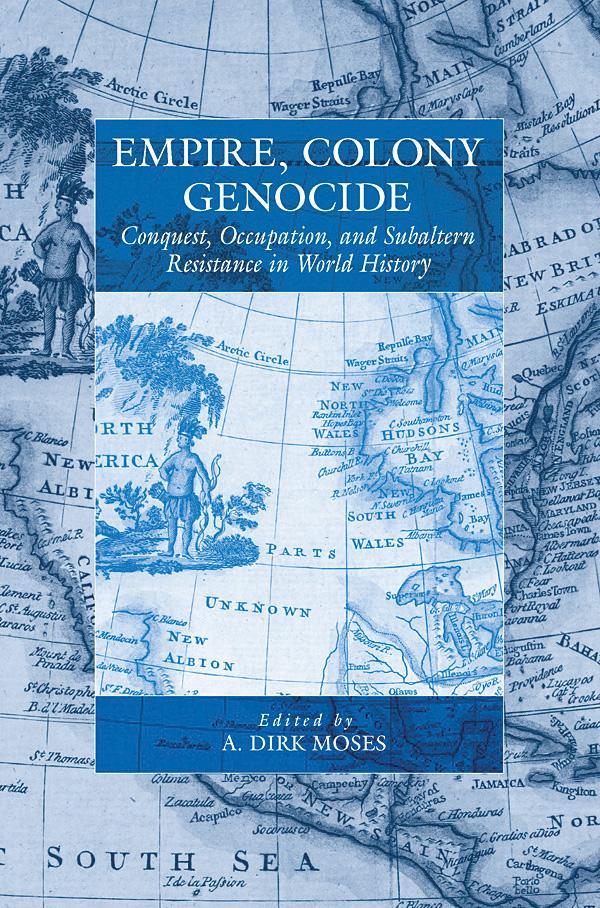
In 1944, Raphael Lemkin coined the term “genocide” to describe a foreign occupation that destroyed or permanently crippled a subject population. In this tradition, Empire, Colony, Genocide embeds genocide in the epochal geopolitical transformations of the past 500 years: the European colonization of the globe, the rise and fall of the continental land empires, violent decolonization, and the formation of nation states. It thereby challenges the customary focus on twentieth-century mass crimes and shows that genocide and “ethnic cleansing” have been intrinsic to imperial expansion. The complexity of the colonial encounter is reflected in the contrast between the insurgent identities and genocidal strategies that subaltern peoples sometimes developed to expel the occupiers, and those local elites and creole groups that the occupiers sought to co-opt. Presenting case studies on the Americas, Australia, Africa, Asia, the Ottoman Empire, Imperial Russia, and the Nazi “Third Reich,” leading authorities examine the colonial dimension of the genocide concept as well as the imperial systems and discourses that enabled conquest. Empire, Colony, Genocide is a world history of genocide that highlights what Lemkin called “the role of the human group and its tribulations.”
Before Memmo my notes were scattered across PDFs. Now a workspace pulls everything into one place — I see exactly what's still left to study.
Memmo's summaries are gold before exams. I don't have to re-read 800 pages two weeks before — just the important parts.
The AI chat has saved me the night before an exam more than once. I just keep asking until I get it — no waiting on a study group to reply.
The quizzes hit exactly what I need to know. Memmo tracks what I get stuck on — so I only practice what's worth it.
Flashcards with spaced repetition are magic. Memmo knows when I'm about to forget something and brings it back.
The AI podcasts are my favorite. I listen on my way to school and get a recap without sitting at a computer.

Handbok i kvalitativa metoder
281 kr

Hållbar utveckling: en introduktion för ingenjörer och andra problemlösare
334 kr

Brymans Samhällsvetenskapliga metoder
390 kr

Projektledning
491 kr

Den orättvisa hälsan: om socioekonomiska skillnader i hälsa och livslängd
326 kr

Vetenskapsteori för nybörjare
196 kr

Organizational Leadership
429 kr

På väg mot läraryrket
172 kr

Det sociala livet i skolan: Socialpsykologiska perspektiv
253 kr

Betygsättningens didaktik
151 kr

Personality
402 kr

Studying Leadership
404 kr

Managing Innovation
477 kr

Introduktion till samhällsvetenskaplig metod
347 kr

The Psychology of Sex and Gender
698 kr

Evidens och kunskap för socialt arbete
207 kr

Introduction to Leadership
605 kr