
Before Memmo my notes were scattered across PDFs. Now a workspace pulls everything into one place — I see exactly what's still left to study.
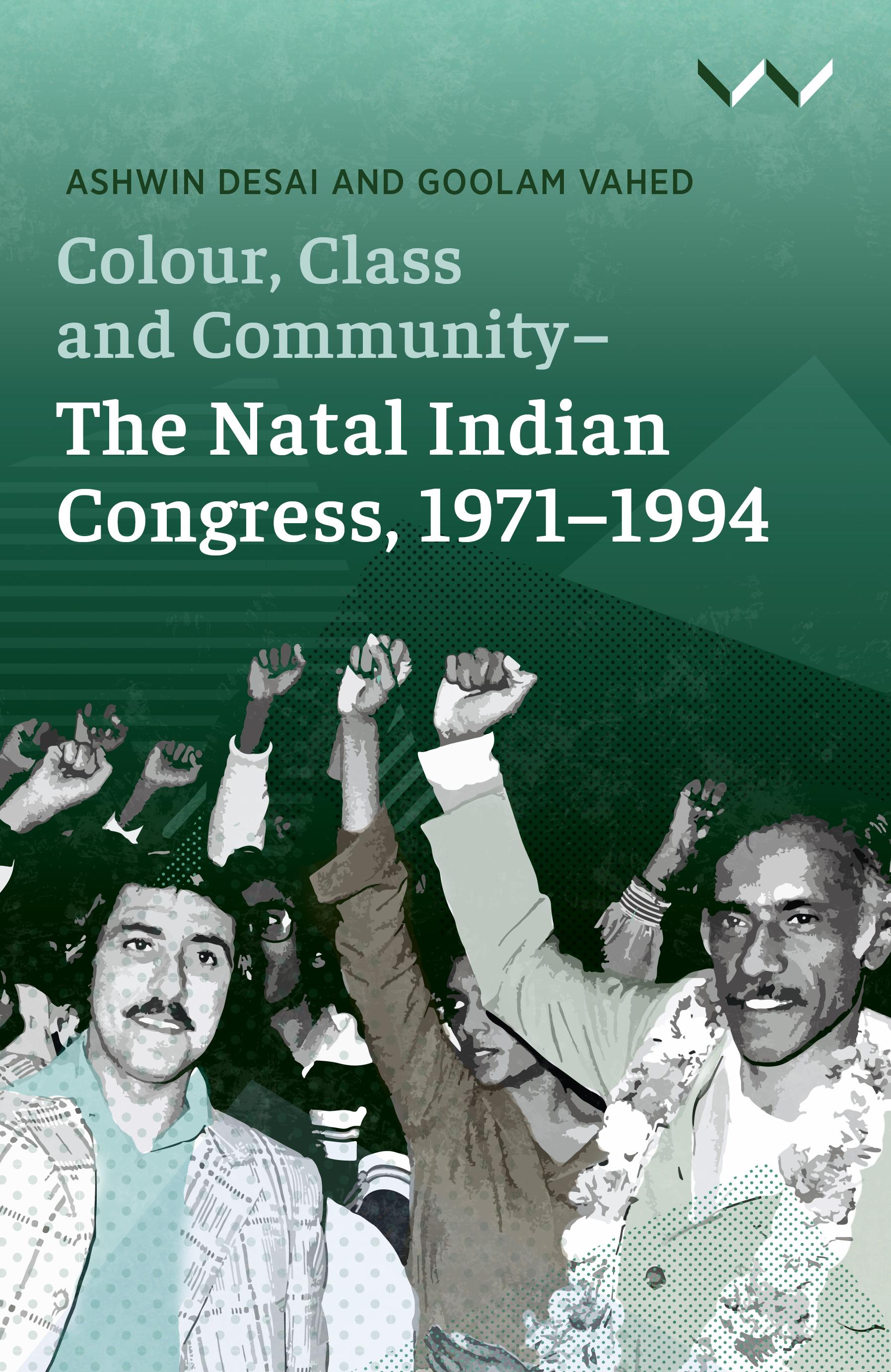
Positions the history and inner workings of the Natal Indian Congress (NIC) against the canvas of the major political developments in South Africa during the 1970s and 1980s up to the first democratic elections in 1994
Following a hiatus in the 1960s, the Natal Indian Congress (NIC) in South Africa was revived in 1971. In fascinating detail,
Ashwin Desai and Goolam Vahed bring the inner workings of the NIC to life against the canvas of major political developments in South Africa during the 1970s and 1980s, and up to the first democratic elections in 1994.
The NIC was relaunched during the rise of the Black Consciousness Movement, which attracted a following among Indian university students, and whose invocation of Indians as Black led to a major debate about ethnic organisations such as the NIC. This debate persisted in the 1980s with the rise of the United Democratic Front and its commitment to non-racialism. The NIC was central to other major debates of the period, most significantly the lines drawn between boycotting and participating in government-created structures such as the Tri-Cameral Parliament. Despite threats of banning and incarceration, the NIC kept attracting recruits who encouraged the development of community organisations, such as students radicalised by the 1980s education boycotts and civic protests. Colour, Class and Community, The Natal Indian Congress, 1971—1994 details how some members of the NIC played dual roles, as members of a legal organisation and as allies of the African National Congress’ underground armed struggle.
Drawing on varied sources, including oral interviews, newspaper reports, and minutes of organisational meetings, this in-depth study tells a largely untold history, challenging existing narratives around Indian ‘cabalism’, and bringing the African and Indian political story into present debates about race, class and nation.
Before Memmo my notes were scattered across PDFs. Now a workspace pulls everything into one place — I see exactly what's still left to study.
Memmo's summaries are gold before exams. I don't have to re-read 800 pages two weeks before — just the important parts.
The AI chat has saved me the night before an exam more than once. I just keep asking until I get it — no waiting on a study group to reply.
The quizzes hit exactly what I need to know. Memmo tracks what I get stuck on — so I only practice what's worth it.
Flashcards with spaced repetition are magic. Memmo knows when I'm about to forget something and brings it back.
The AI podcasts are my favorite. I listen on my way to school and get a recap without sitting at a computer.

Handbok i kvalitativa metoder
281 kr

Hållbar utveckling: en introduktion för ingenjörer och andra problemlösare
334 kr

Brymans Samhällsvetenskapliga metoder
390 kr

Projektledning
491 kr

Den orättvisa hälsan: om socioekonomiska skillnader i hälsa och livslängd
326 kr

Vetenskapsteori för nybörjare
196 kr

Organizational Leadership
429 kr

På väg mot läraryrket
172 kr

Det sociala livet i skolan: Socialpsykologiska perspektiv
253 kr

Betygsättningens didaktik
151 kr

Personality
402 kr

Studying Leadership
404 kr

Managing Innovation
477 kr

Introduktion till samhällsvetenskaplig metod
347 kr

The Psychology of Sex and Gender
698 kr

Evidens och kunskap för socialt arbete
207 kr

Introduction to Leadership
605 kr