
Before Memmo my notes were scattered across PDFs. Now a workspace pulls everything into one place — I see exactly what's still left to study.
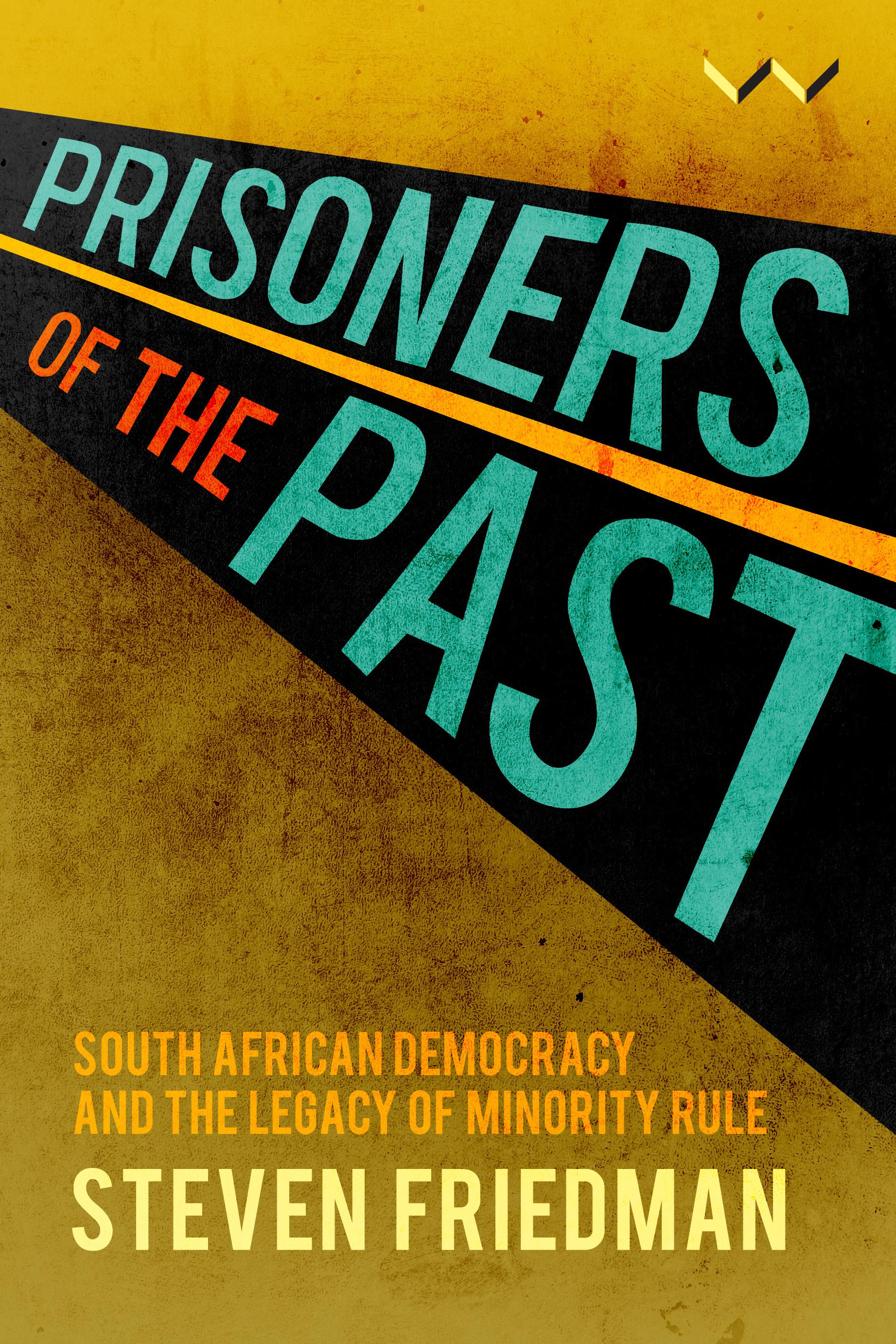
Building on the work of economic historian Douglass North and Ugandan political scholar Mahmood Mamdani, Friedman argues that the difficulties besetting South African democracy are legacies of the past, not products of the post-1994 era
South Africa’s democracy is often seen as a story of bright beginnings gone astray, a pattern said to be common to Africa. The negotiated settlement of 1994, it is claimed, ended racial domination and created the foundation for a prosperous democracy – but greedy politicians betrayed the promise of a new society.
In Prisoners of the Past Steven Friedman astutely argues that this misreads the nature of contemporary South Africa. Building on the work of the economic historian Douglass North and the political thinker Mahmood Mamdani, Friedman shows that South African democracy’s difficulties are legacies of the pre-1994 past. The settlement which ushered in majority rule left intact core features of the apartheid economy and society. The economy continues to exclude millions from its benefits, while racial hierarchies have proved stubborn: apartheid is discredited, but the values of the pre-1948 colonial era, the period of British colonization, still dominate. Thus South Africa’s democracy supports free elections, civil liberties and the rule of law, but also continues past patterns of exclusion and domination.
Friedman reasons that this ‘path dependence’ is not, as is often claimed, the result of constitutional compromises in 1994 that left domination untouched. This bargain was flawed because it brought not too much compromise, but too little. Compromises extended political citizenship to all but there were no similar bargains on economic and cultural change. Using the work of the radical sociologist Harold Wolpe, Friedman shows that only negotiations on a new economy and society can free South Africans from the prison of the past.
Before Memmo my notes were scattered across PDFs. Now a workspace pulls everything into one place — I see exactly what's still left to study.
Memmo's summaries are gold before exams. I don't have to re-read 800 pages two weeks before — just the important parts.
The AI chat has saved me the night before an exam more than once. I just keep asking until I get it — no waiting on a study group to reply.
The quizzes hit exactly what I need to know. Memmo tracks what I get stuck on — so I only practice what's worth it.
Flashcards with spaced repetition are magic. Memmo knows when I'm about to forget something and brings it back.
The AI podcasts are my favorite. I listen on my way to school and get a recap without sitting at a computer.

Handbok i kvalitativa metoder
281 kr

Hållbar utveckling: en introduktion för ingenjörer och andra problemlösare
334 kr

Brymans Samhällsvetenskapliga metoder
390 kr

Projektledning
491 kr

Den orättvisa hälsan: om socioekonomiska skillnader i hälsa och livslängd
326 kr

Vetenskapsteori för nybörjare
196 kr

Organizational Leadership
429 kr

På väg mot läraryrket
172 kr

Det sociala livet i skolan: Socialpsykologiska perspektiv
253 kr

Betygsättningens didaktik
151 kr

Personality
402 kr

Studying Leadership
404 kr

Managing Innovation
477 kr

Introduktion till samhällsvetenskaplig metod
347 kr

The Psychology of Sex and Gender
698 kr

Evidens och kunskap för socialt arbete
207 kr

Introduction to Leadership
605 kr