
Before Memmo my notes were scattered across PDFs. Now a workspace pulls everything into one place — I see exactly what's still left to study.
A history of the famous Orlando township
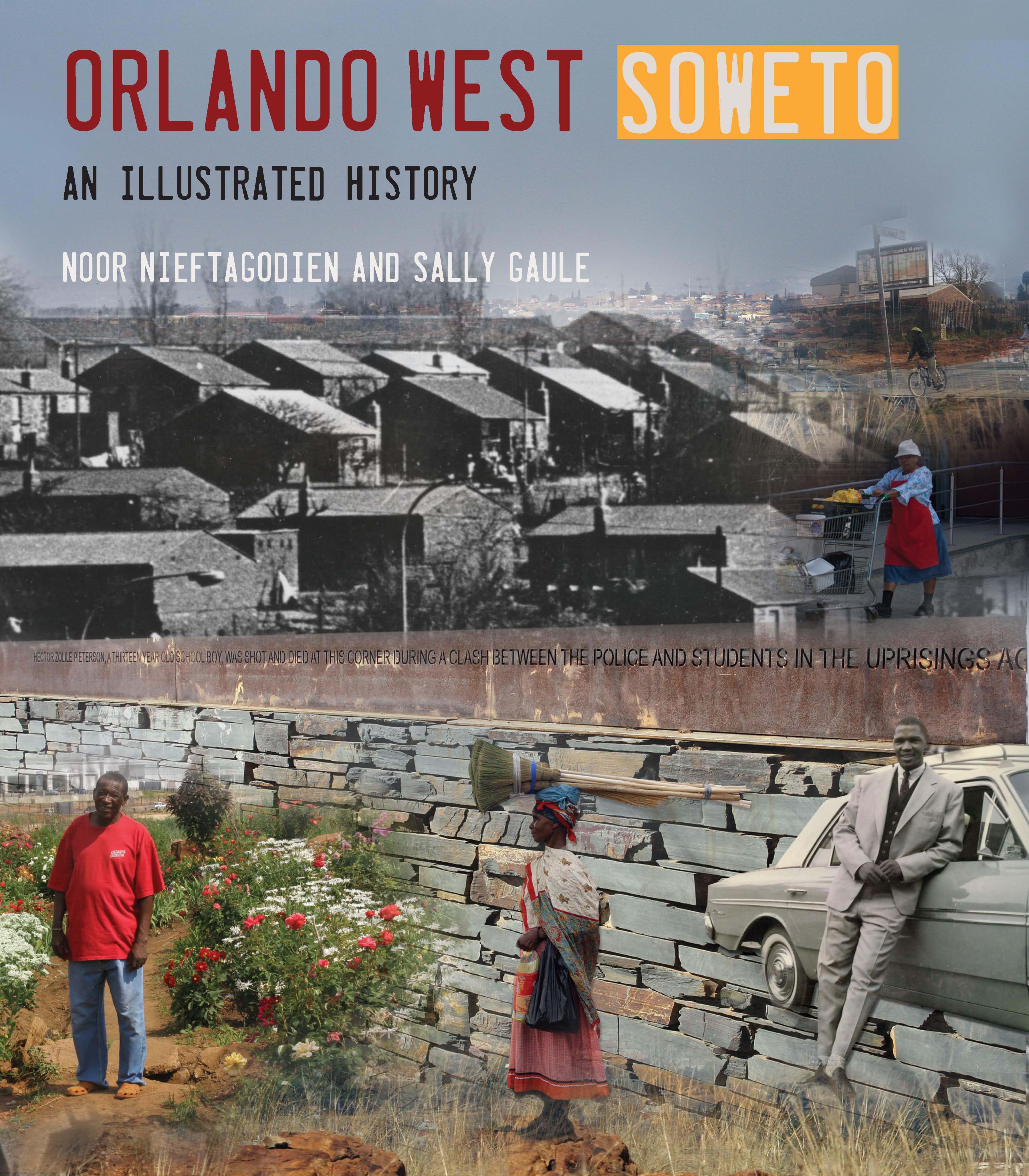
Until the end of the First World War, urban growth in Johannesburg proceeded unevenly and haphazardly, but under the impact of a wave of militant struggles by black workers and in the context of the devastating impact of the 1918 influenza epidemic, the state became determined to better manage the movement of Africans into the urban areas and to place them in properly controlled locations. The promulgation of the Native (Urban) Areas Act of 1923 was intended to meet these objectives. The Act was a hybrid piece of legislation. On the one hand, it espoused the principles enunciated by the Stallard Commission of 1922, which had infamously declared that an African 'should only be allowed into the urban areas, which are essentially the white man's creation, when he is willing to enter and minister to the needs of the white man, and should depart therefrom when he ceases so to minister'. On the other hand, when it empowered local authorities to set aside land for black residential purposes, it recognised the need to create conditions for the settlement of an urban African population in order to provide a reliable supply of labour to secondary industry. The growing demand for housing led the government to establish Orlando (named after the chairman of the Native Affairs Committee, Edwin Orlando Leake) in 1931, when thousands of African families were evicted from urban slums in and around the city centre and moved there. The authorities described this as a 'model native township' that was supposedly planned along the lines of a garden city. The new location, it promised, would be characterised by tree-lined streets, business opportunities and recreation facilities. Reflecting the views of a somewhat conservative section of the African urban elite, the popular African newspaper Bantu World predicted on 14 May 1932 that the new township 'will undoubtedly be somewhat of a paradise [that] will enhance the status of the Bantu within the ambit of progress and civilisation'. Orlando West, Soweto illuminates the genesis of Orlando township and its well-known subsequent history, which is inextricably linked with the lives of prominent South Africans such as Nelson Mandela and Desmond Tutu, amongst many others. A beautiful photographic essay complements the testimony from residents, who describe the way things were, and the way they are now, in the heart of Soweto, South Africa's most iconic African township.
Before Memmo my notes were scattered across PDFs. Now a workspace pulls everything into one place — I see exactly what's still left to study.
Memmo's summaries are gold before exams. I don't have to re-read 800 pages two weeks before — just the important parts.
The AI chat has saved me the night before an exam more than once. I just keep asking until I get it — no waiting on a study group to reply.
The quizzes hit exactly what I need to know. Memmo tracks what I get stuck on — so I only practice what's worth it.
Flashcards with spaced repetition are magic. Memmo knows when I'm about to forget something and brings it back.
The AI podcasts are my favorite. I listen on my way to school and get a recap without sitting at a computer.

Handbok i kvalitativa metoder
281 kr

Hållbar utveckling: en introduktion för ingenjörer och andra problemlösare
334 kr

Brymans Samhällsvetenskapliga metoder
390 kr

Projektledning
491 kr

Den orättvisa hälsan: om socioekonomiska skillnader i hälsa och livslängd
326 kr

Vetenskapsteori för nybörjare
196 kr

Organizational Leadership
429 kr

På väg mot läraryrket
172 kr

Det sociala livet i skolan: Socialpsykologiska perspektiv
253 kr

Betygsättningens didaktik
151 kr

Personality
402 kr

Studying Leadership
404 kr

Managing Innovation
477 kr

Introduktion till samhällsvetenskaplig metod
347 kr

The Psychology of Sex and Gender
698 kr

Evidens och kunskap för socialt arbete
207 kr

Introduction to Leadership
605 kr