
Before Memmo my notes were scattered across PDFs. Now a workspace pulls everything into one place — I see exactly what's still left to study.
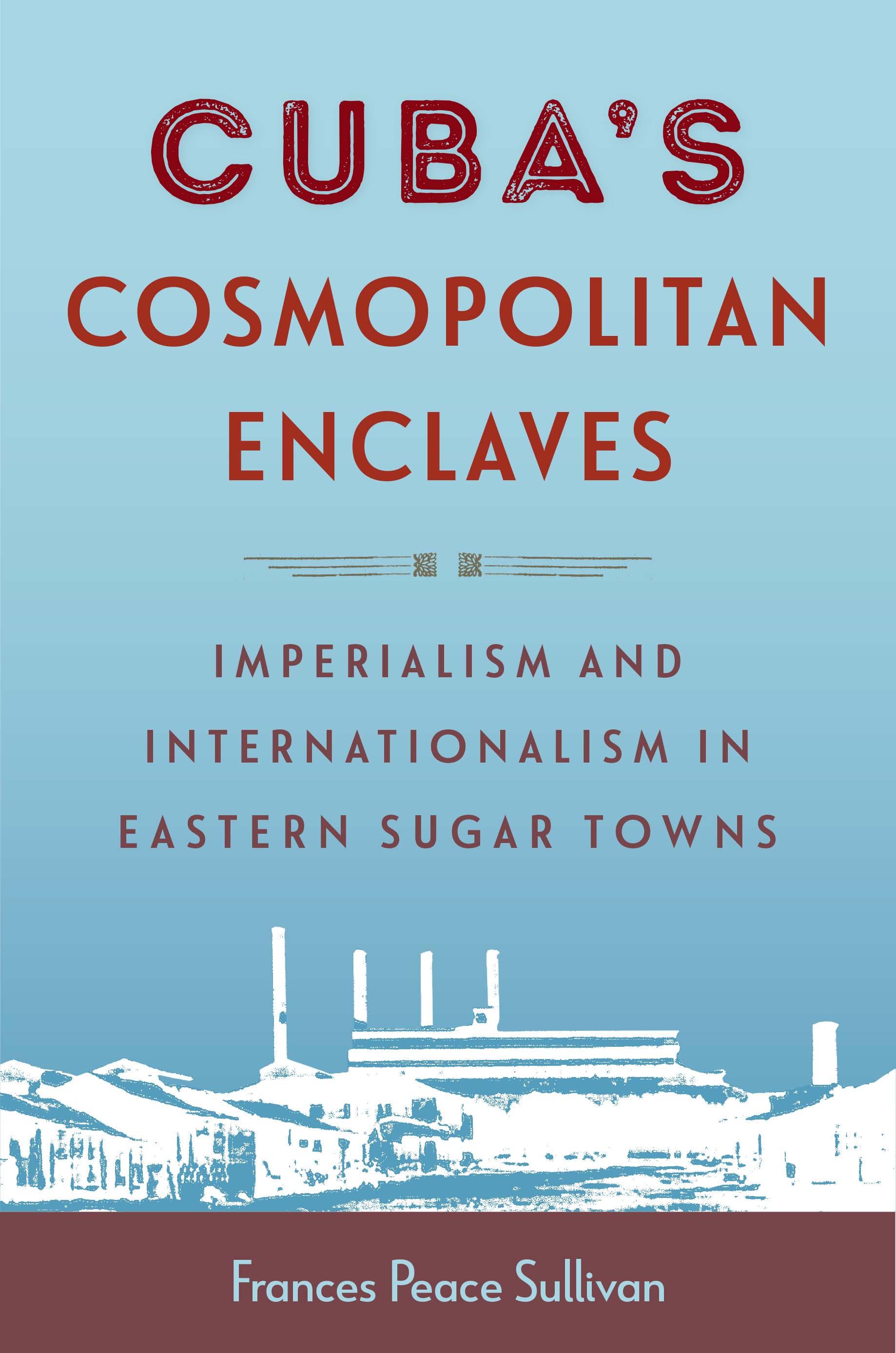
How northeastern Cuba became a hub of international solidarity and transnational movements in the 1920s and 1930s
This book explores how a region in Cuba that was widely known as a site of labor subjugation became a hub of international solidarity in the 1920s and 1930s. In the early twentieth century, United States agricultural companies like the United Fruit Company established sugar export operations in Cuba’s Oriente Province, creating a zone of economic imperialism. These early multinational corporations recruited Afro-Caribbean laborers from surrounding islands, aiming to create closed, self-sufficient plantation complexes.
However, as Frances Peace Sullivan shows in Cuba’s Cosmopolitan Enclaves, the influx of foreign capital led to the development of diverse, vibrant communities in these company towns. Drawing on archival sources in Cuba, the US, Russia, and the UK, Sullivan demonstrates how immigrant workers joined local Cubans in movements for radical transnational solidarity. In the interwar years, northeastern Cuba became a center of Garveyite Pan-Africanism, global communism, and antifascist support for Republican Spain. In 1933, the region attracted the world’s attention when workers seized sugar mills in a revolutionary strike.
Placing northeastern Cuba at the heart of the history of interwar internationalism, Sullivan shows how Oriente emerged as a focal point for visions of resistance. Cuba’s Cosmopolitan Enclaves reveals how workers seized pathways created by imperialist companies and used them to advance their own goals. In this focused study, Sullivan offers a detailed portrait of how ordinary people became leaders in transnational radicalism.
A volume in the series Caribbean Crossroads: Race, Identity, and Freedom Struggles, edited by Lillian Guerra, Devyn Spence Benson, April Mayes, and Solsiree del Moral
Before Memmo my notes were scattered across PDFs. Now a workspace pulls everything into one place — I see exactly what's still left to study.
Memmo's summaries are gold before exams. I don't have to re-read 800 pages two weeks before — just the important parts.
The AI chat has saved me the night before an exam more than once. I just keep asking until I get it — no waiting on a study group to reply.
The quizzes hit exactly what I need to know. Memmo tracks what I get stuck on — so I only practice what's worth it.
Flashcards with spaced repetition are magic. Memmo knows when I'm about to forget something and brings it back.
The AI podcasts are my favorite. I listen on my way to school and get a recap without sitting at a computer.

Handbok i kvalitativa metoder
281 kr

Hållbar utveckling: en introduktion för ingenjörer och andra problemlösare
334 kr

Brymans Samhällsvetenskapliga metoder
390 kr

Projektledning
491 kr

Den orättvisa hälsan: om socioekonomiska skillnader i hälsa och livslängd
326 kr

Vetenskapsteori för nybörjare
196 kr

Organizational Leadership
429 kr

På väg mot läraryrket
172 kr

Det sociala livet i skolan: Socialpsykologiska perspektiv
253 kr

Betygsättningens didaktik
151 kr

Personality
402 kr

Studying Leadership
404 kr

Managing Innovation
477 kr

Introduktion till samhällsvetenskaplig metod
347 kr

The Psychology of Sex and Gender
698 kr

Evidens och kunskap för socialt arbete
207 kr

Introduction to Leadership
605 kr